Category: News

  • IAS statement: Europe must not abandon the quest for an effective HIV vaccine

    On this HIV Vaccine Awareness Day, IAS – the International AIDS Society – calls for the re-engagement of all stakeholders, especially in Europe, in funding HIV vaccine research and development (R&D).


    After more than 40 years since HIV was discovered, there have been breakthroughs in curbing acquisition through pre-exposure prophylaxis (PrEP) and antiretroviral therapy (ART). However, 1.5 million people acquired HIV in 2021 – one million above the 2020 global targets for ending the AIDS epidemic – and a quarter of the 38.4 million people living with HIV globally do not have access to treatment. A vaccine remains the most effective prevention method and is still elusive.


    Between 2019 and 2020, funding globally for HIV preventative vaccine R&D decreased by 5.5% or USD 46 million. In comparison, European funding decreased by 31%, significantly undermining pathways to an effective vaccine.


    “We call on Europe to not abandon the quest for an effective HIV vaccine. The role of an effective HIV vaccine in the global HIV response cannot be underestimated, especially in low- and middle-income countries where HIV prevalence is still high,” Marlène Bras, IAS Director, HIV Programmes and Advocacy, said. “An effective and accessible vaccine will make it much more likely that we will meet our global targets.”


    The IAS Global HIV Vaccine Enterprise notes that the goal of HIV vaccine development is to give long-lasting protection with the fewest number of doses, ideally a single dose. Introducing PrEP in 2012 has proven to be an effective prevention mechanism. But it requires consistent use, and inequities in access and stigma linked to taking HIV medication persist.


    An HIV vaccine would save the world billions just in ART provision. Treatment remains expensive relative to a vaccine. In Europe, 2.3 million people are living with HIV, and almost 300 people were diagnosed with HIV every day in 2021; the estimated yearly cost per client is EUR 11,638 in Spain, EUR 32,110 in Germany, EUR 14,821 in France, and EUR 6,399 in Italy.


    Discontinuation of the Mosaico efficacy trial due to lack of efficacy offers lessons to build on, and there is still hope for an HIV vaccine. Strategies being pursued include the induction of broadly neutralizing antibodies and dendritic cell-based immunotherapy. HIV vaccine research played a crucial role in facilitating the development of COVID-19 vaccines. A therapeutic HIV vaccine is feasibly the key to finding a cure with remission of the virus.


    The progress and the intersection of the latest HIV cure and vaccine R&D will be explored in the 2023 HIV Cure & Immunotherapy Forum at IAS 2023, the 12th IAS Conference on HIV Science, in Brisbane, Australia, this July.


    The IAS is committed to ending HIV as a threat to public health and individual well-being, and we call on all stakeholders to commit to funding the development of an HIV vaccine to make that a reality.


    IAS – the International AIDS Society

    © 2023 International AIDS Society. All rights reserved.

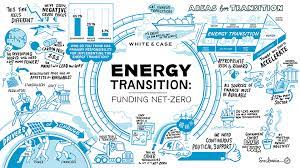
  • Energy Transition: Experts warn of possible job cuts if not executed properly

    As Ghana embarks on its energy transition agenda, some experts have warned of possible job cuts if the government does not transition well.


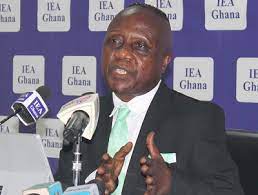
    According to the Deputy Director in charge of Nuclear and Alternative Energy at the Ministry of Energy, Dr. Robert Sogbadji, the government should train more young people within the Oil and Gas sector to explore various opportunities within the space.


    Speaking to Joy Business at the launch of the “2023 Think Energy SDGs Awards”, Dr. Sogbadji called for stringent policies to support the sector.


    “The energy transition has its own negative effects and benefits. There will be issues with the oil and gas sector if we don’t transition well. We need to train people within that space. We are doing that to minimise the effect. The human resource can be greatly affected”.


    “If we don’t take care, Europeans will use here as their dumping sites for their unused cars. So all these are things we need to be careful about”, he said


    On her part, President and founder for the Africa Energy Technology Center, Emelia Akumah said industry players within the energy ecosystem should push for policies that will drive development in the sector.


    “It is important we come together to have a conversation on how we can help to improve the sector. We need some more technology within the space to drive development” she stated.


    The Think Energy SDGs Awards as part of the African Energy and Sustainable Summit 2023 is a global prestigious award which is designed to celebrate & honour corporate and academic institutions working together to achieve global leadership on SDG 4,7,13, 14, and 17. The awards seek to encourage innovation, impact, and sustainability in the energy sector.


    Meanwhile, the Africa Energy Technology Conference is Africa’s premiere energy technology-driven exhibition and networking conference that seeks to create a distinctive platform for key stakeholders and industry players within the energy ecosystem, as part of making Africa the ultimate destination for global energy-centered discussions and policies that propel industry development.

  • Currency Board: IEA calls for a strong legal system

    Adnan Adams Mohammed


    The Institute of Economic Affairs (IEA) is calling for a strong legal system to support the proposed Currency Board (CB) Lite System to achieve its goals.


    It believes a strong legal system is key to support the board particularly the enforcement of the applicable rules.


    The IEA had earlier proposed the establishment of a CB to limit the Central Bank lending to the government, a move it believes will stabilise the cedi and prevent instability in the economy in times of shocks. It is, however, now calling for a Currency Board Lite System to reduce the limitations including possible loss of monetary policy independence and loss of exchange rate flexibility to respond to shocks.


    “A strong legal system is key to support the board, particularly the enforcement of the applicable rules. It is essential because a currency board arrangement derives much of its credibility from the changes required in the Central Bank law”, the Institute juxtaposed in a statement issued last week.


    “We would want to rather see a Currency Board Lite System for Ghana. This is essential to mitigate some of the disadvantages of a Currency Board. This would rather help in tightening the monetary and fiscal rules as well as enforcement and oversight regimes.”


    The institute also said a well-managed financial system is required for the system to be able to stand on its own without the lender of last resort opportunity that is available under a central bank but absent under a currency board.


    The ‘Currency Board’, the Institute of Economic Affairs (IEA) believes will help stabilise the cedi and prevent instability in the economy in times of shocks. The Institute also to limit the Central Bank lending to the government


    These monetary control and management factors deficiencies have been the bane of Ghana’s economic management. According economists, the CB system has limited inflation, checks currency volatility and better position balance of payments.


    “You see, a Currency Board (CB) is a rigid monetary management system that is hedged in strict rules, with little room for discretion. The CB does not lend to government and it covers its currency fully by foreign exchange”, Lead Researcher at the Intitute, Dr. John Kwakye, in a paper published and titled “Institutionalising Fiscal Discipline and Macroeconomic Stability for Sustained Growth in Ghana: The Constitutional Pathway” noted.


    “The CB system has limited inflation, the currency does not depreciate and balance of payments crises are rare. This is close to the system in our Francophone neighbours, who restrict their Central Bank lending to governments and provide adequate cover for their currency, the CFA.”


    IEA buttressed its points that, the Francophone countries system guarantees them low inflation and a stable currency, but “you have Ghana that has chosen an independent Central Bank to conduct discretionary monetary policy’.


    It also blamed the Central Bank of Ghana for some of the economic woes, saying, “The Central Bank provides significant lending to government and covers the cedi with limited foreign exchange (40% in the Act). No doubt we face perennial price and currency instability!”


    “It is for this reason that some of us have argued that if we continue to abuse policy discretion and pay a high price for it in terms of macroeconomic instability, then we better hedge our policies by rules; tie our economic managers hands, so that we can enjoy rules-driven macroeconomic stability!”, it added.


    Finally, the IEA said despite Ghana having rules such as the Public Financial Management Act, the Bank of Ghana Act and the Fiscal Responsibility Act, the rules have not work because of lack of political way.


    “Let me say that it is not that we have had no rules at all in fiscal and monetary management. In fact, I can mention a couple of them, such as the Public Financial Management Act, the Bank of Ghana Act, the Fiscal Responsibility Act and the relevant provisions in the 1992 Constitution, which represent attempts to introduce rules in our fiscal and monetary management system”.


    “However, there are serious questions regarding not only their enforcement but their effectiveness as well. And that is the reason we feel strongly about the need to give constitutional backing to some of these rules”, it concluded.

  • Economists warn of looming crisis in the banking sector


    Adnan Adams Mohammed


    Ghana’s banking sector is to face another crisis if the Bank of Ghana fails with its control measures to avert the downturn consequence of the Domestic Debt Exchange Program (DDEP).


    The DDEP has caused many Ghanaian local banks to record huge losses already with further losses expected in coming months. To mitigate this challenge facing the banking sector, the government created a Ghana Stability Fund expecting about US$1.5 billion to ensure appropriate solvency and liquidity.


    This, according to Economist at Louisiana Economic Development in the USA, if government is not able to get the funds by July this year, some banks will start collapsing since they will not be able to pay their workers and keep their operations running. Already, some banks have recorded huge losses, therefore the lack of liquidity support from the Stability Fund will leave them with no option than to fold up or reduce their number of branches, which will result in job losses.


    “We are heading into a banking crisis, believe it or not, we are currently suffering. If government is not able to get the $1.5 billion Stability Fund by July 2023, some banks will start collapsing”,  Dr. Sa-ad Iddrisu alarmed in an interview last week. “Even what is happening in Ghana is affecting the Nigerian economy because a lot of the Nigerian banks in Ghana, are also recording loses.”


    The government must speed-up processes in mobilising funds to cushion the banks from this timing canker, he urged.


    The Ghana Stability Fund, set up to provide liquidity support to banks participating in a domestic debt exchange and being managed by the Bank of Ghana under unique operational guidelines being developed by the Financial Stability Council, has already secured $250 million from the World Bank in addition to Ghana government’s commitment of $750 million as announced by minister of state for finance Mohammed Amin Adam weeks ago.


    Also, a Professor of Economics at the London Business School has warned that banking crises could happen, especially if Central Banks, including that of Ghana, continue to tighten monetary policy.


    According to Prof Lucrezia Reichlin, banking crises cannot be prevented in all contingencies, at least not in a fractional reserve system where loans do not need to be fully backed by deposits, like the system of today, adding, the recent crisis is a painful reminder of the fundamental instability of banks’ business model.


    Speaking on the topic ‘Early lessons from the recent banking turmoil’ championed by the International Monetary Fund, she expressed hope that banks are well equipped to face generalized liquidity crises through Central Banks’ interventions.


    “In principle, we also have tools to deal with the insolvency of a single institution. However, those crises are rarely managed in an orderly way. Today, if the world economy were to plunge into a deep recession, we are likely to see many cases of institutions facing solvency problems that will test this assertion”, she explained.


    She added that the Credit Suisse episode rings an alarm on whether Central Banks can be confident that problems can be solved following the rulebook.


    “If a bank is failing, the regulator can seek resolution with a bail-in or a bailout. A bail-in in theory is a good option to protect taxpayers, but in some cases a bailout may be wiser. The way to think about the choice is that a bail-in may cause financial instability while a bailout causes moral hazard and is an implicit subsidy to the banking sector”, she continued.


    In many cases, she pointed out that the crisis of one bank is addressed by a national regulator facilitating a merger with a national bank, either by moral suasion, subsidy, or both.


    This was the case in Switzerland, where UBS was encouraged by the regulator to absorb Credit Suisse at a very unfavorable exchange for Credit Suisse shareholders. Such a solution is not always feasible.


    Apparently, the Second Deputy Governor of Bank of Ghana (BoG), Elsie Addo Awadzi, has reiterated that the Ghana’s banking sector remains solvent and strong to support economic growth, despite the recent challenges faced by the country.


    She boldly posited that, the banking system is liquid and well positioned to lend to businesses and individuals after government’s debt exchange programme, despite the government’s acknowledgement that the DDEP have had effect on the banking and financial industry.


    “Our banking sector remains solvent and liquid even after the pandemic, in the face of recent macroeconomic challenges, and in particular the government debt restructuring efforts”, Mrs Awadzi noted while speaking at the launch of the “Absa SME loan at 10%” in Accra last week.


    She explained that the banking sector clean-up and recapitalisation exercise before the onset of the Covcid-19 pandemic, provided the industry with the necessary capital and liquidity buffers to withstand the pandemic and the recent macroeconomic challenges.


    “We expect banks over the next few years to take steps to rebuild strong buffers so that they remain resilient for the long-term”, she advised  and further pointed out that, while regulating and supervising banks to promote their safety and soundness, the Bank of Ghana expects banks to be more inclusive in their product and service offerings to ensure that all economic actors in Ghana are able to access much-needed finance to grow their businesses and contribute to the growth of our economy.


    Meanwhile, a Banking Consultant, Dr. Richmond Atuahene has urged government to engage mining and telecom firms to help mobilise revenue to salvage the imminent danger.


    “We need to structure it in such a way that we engage the mining and telcos because they are a cash cow especially some of the telcos. We need to get the inflows to support the sector”.

  • Analysts pegs cedi to end year at ¢12.43 to a dollar

    Adnan Adams Mohammed


    Some economists, both international and local have peg the local currency, the cedi to end the year below ¢13 to a dollar.


    This is in anticipation of the country securing the International Monetary Fund Board (IMF) Board approval soonest.


    Fitch Solutions and Economist Intelligence Unit (EIU) have forecasted the cedi to end the year 2023 at an exchange rate of between ¢12.40 and ¢12.46 to a dollar respectively. The UK based EIU, in its latest report published in April, 2023, expects the cedi to depreciate significantly this year, although lower than 2022 performance of the cedi.


    “We now expect the currency to weaken to ¢12.46:US$1 at end­ 2023 (from ¢10.95:US$1 as at mid­-April)”, EIU forecasted.


    It further said that the cedi depreciation will be driven by increased demand for hard currency due to high import prices, inflation, capital flight, rising profit repatriation by Ghanaian-based multinationals and weak investor sentiment in the face of the ongoing debt crisis.


    However, according to Fitch (a research and market information firm) and an Economist and Research Lead at GCB Capital, Courage Boti, the performance of the cedi will be premised on the possibility of Ghana securing an International Monetary Fund-support programme by May 2023. They believe that will go a long way to cushioning the cedi against foreign exchange pressures.


    It added that, “while short-term exchange rate volatility will persist, the cedi will stabilise once a formal creditors’ committee is formed and the IMF executive board approves Ghana’s programme”, Fitch Solutions noted.


    On the contrary, Courage Boti, has cautioned that the cedi will lose the most, if the government is unable to get  an IMF approval by the end of this month.


    He argues that the current suspension of interest payments on Ghana’s external loans is the main reason for the relative gains or slow depreciation by the cedi.


    Mr. Boti pointed out that time is of essence to clinch a deal and give certainty to investors that the economy is on a recovery path, a signal that could increase the gains of the cedi in the coming months.


    “Given the very weak external balances that we have, I think the cedi is showing what the fundamentals are suggesting. That probably is because the pressures we see when we pay interests on external loans have been suspended.


    “The cedi will continue to show some level of stability if a deal is secured with the IMF and the external debt restructuring programme is completed”, the currency analyst said.


    This, he suggested will boost investor confidence and gradually pave the way for Ghana to return to the international bonds market in the long term.


    The cedi has so far depreciated by about 14% to the US dollar in the retail market, selling at about ¢12.


    However, it has lost about 21% in value to the American greenback on the interbank forex market, going for about ¢10.95.


    For the past two weeks, the local currency has posted mixed performance on the markets, although the Central Bank increased its intervention in the spot market.


    This is due to heightening demand for foreign exchange as a result of market uncertainties


  • Ghana’s economy looks fragile

    By Elorm Desewu

    Ghana’s economy may be heading into recession, if the government is unable to secure the US$3billion Extended Credit Facility from the international Monetary Fund, (IMF).

    The government is hoping on the U$3billion to enable it improve on its balance of payment, shore up it’s reserves as well as stem the speed depreciation of the cedi.

    The delay in securing the approval from the Executive Board of the Fund has put most of the economic indicators off gear.

    Economy Times has learnt that the indicators will improve and things will stabilize as soon as the IMF approves the program. The cedi will appreciate sharply and inflation may also begin to ease sharply, although it increased to 54 percent last year.

    However retail prices of most consumption items will remain high, this is because of the new taxes and also due to inertia. There could be some dampening in economic activity but the signaling effect of the fund program could stem the decline.

    Fitch, one of the international rating agencies in its latest report on Ghana has disclosed that International Monetary Fund (IMF) support for Ghana will likely depend on the government’s ability to show a path towards bringing the present value of debt to 55% of Gross Domestic Product (GDP) over the forecast horizon on the basis of the IMF/World Bank debt sustainability analysis.


    According to Fitch, the government must also show the ability of official bilateral creditors to provide financing assurances in the context of the Common Framework external debt restructuring that authorities have requested.


    But according to the Economic Intelligence Unit, “we expect the Fund’s Executive Board to approve the US$3bn deal by mid-2023”.


    Ghana is undergoing domestic and external debt restructuring, which will continue in the near term, and is in urgent need of IMF support.


    Although discussion has started among some official creditors, the official creditor committee, responsible for providing the financing assurances, has not been created yet.

  • Mutiny of RSF in a Perspective: Why the International Community has to take a firm stance against Hemeti’s Dynasty

    By: The Executive Director, Centre for Creative Leadership Africa (CCLA),

    Accra, Ghana.

    0244470505


    The international community needs to understand the reality of military confrontations currently taking place in Sudan and to take serious note of the heinous crimes against humanity being committed by the mutineer. Rapid Support Forces (RSF), under the leadership of Mohammed Hamdan Dagalo (Hemmeti) and members of his direct family.

    Since they fired the first bullet on the morning of April 15, throwing the country into a war that the Sudanese government has long sought to avoid for the good of the Sudanese people, RSF has been committing grave atrocities against civilians, diplomats and public amenities.

    To put the crisis currently unfolding in Sudan in perspective, we have to look into how RSF came into existence and why it became a threat to the very survival of Sudan as a nation -state and the regional security.

    Created in 2013 as the Border Guard to help the Sudan Armed Forces (SAF) protect Sudan’s long and porous borders, RSF evolved into a sort of special force characterized by high mobility and flexibility.

    By 2017, the Parliament passed an act making it a part of the regular armed forces that operates under the command of SAF and tasked to help fighting outlawed armed groups and human trafficking syndicates, besides its original mandate; protecting the country’s international borders.


    The rise of Dagalo Dynasty:

    When the Omer Al-Bashir Government was ousted in April 2019, following the victorious 18th December 2018 Revolution, the manpower of the RSF had been around 20,000 armed with light weapons and largely confined to the border states.

    However, with Mohammed Hamdan Dagalo, becoming Vice Head of the Transitional Council, formed in April 2019, following his decision to side with the Revolution, most of RSF personnel were brought to Khartoum, under the pretext of protecting their leader. Simultaneously a process of mass recruitment into the RSF began and saw the total number of its soldiers grow to fivefold, with the introduction of new weaponry similar to what traditional armies have.

    There is growing evidence that large numbers of citizens of neighboring countries were recruited, along specific ethnic lineages and including children. Holders of foreign IDs were found among those who were killed or captured fighting alongside the RSF in the past two weeks. In the same time the leadership of RSF, now exclusively entrenched in the hands of the Dagalo Dynasty (the deputy Commander of RSF is Hemmati’s brother while all other key posts are occupied either by his other siblings or cousins), accumulated mass wealth through taking control of major gold mines in Darfur and exporting fighters to Yemen and Libya, along with other business enterprise run by the family.


    One nation, two armies?

    With the signing of the, “Framework Agreement”, on December 5, 2022, between the military component, and a number of political forces, in preparation for the formation of a Civilian Transitional Government, the issue of integrating the RSF into the national army has emerged as a contentious issue. The RSF leadership insisted to remain a separate army parallel to the SAF for at least 10 years. The SAF maintains to complete the merger within two years inly. The rationale was that the existence of a single professional national army that monopolizes the use of weapons and protects civil rule, is a prerequisite for the establishment of a sound democratic system.

    Amidst this fierce disagreement, the RSF began to mobilize large numbers of its forces, fully and heavily armed, in various parts of the capital, Khartoum and its environs, and some other cities including Merowi in the far North, where there are an international airport and important military base, without the approval of or mere coordination with the Command of SAF in an act of defiance.

    On April 13, thus, the Sudanese army warned against the deployment of Rapid Support Forces (RSF) without its consent in the capital Khartoum and in the town of Merowi.


    RSF fires the 1st bullet:

    The unfortunate course of events, which began on Saturday, April 15, 2023 is, therefore, a result of mutiny by the RSF and its unprovoked attacks on several strategic locations in the capital and some other cities, beginning with an attack by the RSF on the residence of the President of the Transitional Sovereign Council/Commander in Chief of the SAF, located within the complex headquarters of the General Command of the Armed Forces.

    The attack took place on the same day that a scheduled meeting between the President of the Transitional Sovereignty Council, the Commander-in-Chief of SAF and the Commander of the RSF was to take place, in an attempt to settle the disagreement on the question of integrating RSF in SAF.  This is clear evidence of RSF’s premeditated plan to seize power and take control of the national army.

    The Armed Forces; were therefore, left with no option but to respond with full force to the aggressors driven by their national duty and responsibility to provide security to the population, which is the sovereign right and responsibility of any army, and to repel the attack and drive the RSF out of the vicinity of the General Command headquarters and other headquarters that the rebels attempted to capture, such as the Republican Palace, Khartoum Airport, and the National Radio and Television Station.

    The President of the TSC and Commander-in-Chief of the Armed Forces has issued a decree to dissolve the RSF due to their insurgency, declaring them an anti-state rebel group that will be dealt with on that basis.

    In the ongoing clashes with the disbanded remnants of the RSF, the armed forces have adopted a combat strategy to minimize casualties and damage among civilians and to private and public property. In addition, the competent authorities have taken all necessary measures to protect all premises and staff of diplomatic missions accredited in Khartoum.


    Targeting the civilians:

    After being defeated in the direct military confrontation, RSF resorted to methods of urban terrorism to terrify the population to give in for unsatisfied thirst for power.

    Due to its lack of sufficient training in the fields of international humanitarian law and the internationally agreed on rules of engagement and in the light of its hasty massive enlargement, the mutineer RSF committed an incredible number of serious violations against civilians.  Below are just few examples:

    • Detaining the families of senior officers of the armed forces, senior state officials and university professors residing in the Airport neighborhood next to the Complex of SAF General Command, including women and children, as hostages, and using them as human shields in the worst forms of terrorism.
    • Attacking civilian aircraft at Khartoum Airport and passengers, killing some of them and taking others hostage.
    • Occupying hospitals and turning them into military bases, forcing medical staff to treat their wounded fighters while ignoring ordinary patients.
    • Breaking into the homes of ordinary citizens and expelling them to use their homes for military actions, or detaining them as human shields; while using rooftops as sites for snipers. In some cases, the process of storming the private homes of citizens was filmed and presented as a military victory by falsely claiming that it was the residences of members of the Sovereign Council.
    • Stealing citizens’ cars and private property.
    • Establishing random and illegal checkpoints, targeting certain groups of citizens, confiscating government vehicles, and kidnapping and killing medical staff.
    • Looting banks, stores, private and public companies.
    • Occupation of some hotels, clubs and halls.
    • Occupying police stations, attacking prisons, and releasing criminals and detainees.
    • Targeting basic service centers, such as water, electricity and communications stations, hospitals and an oil refinery in an intentional strategy to inflicting maximum suffering on civilians.


    Though protected by international law and the Vienna Convention on Diplomatic Relations, diplomatic missions in Khartoum are not exempt from mutineer RSF’s atrocities. Here are some instances:

    • Assaulting the Ambassador of the European Union in his residence on April 17, 2023.
    • Attacking the French Embassy evacuation convoy on April 22, 2023.
    • Killing the Assistant Administrative Attache’ at the Egyptian Embassy on April 23, 2023.
    • Shooting at a US Embassy vehicle.
    • Assaulting the Malaysian Ambassador and stealing his car.
    • Numerous attacks on the headquarters of Diplomatic Missions,  and shooting of bullets at the Indian Embassy in the Amarat area, Street 1, in addition to multiple reports from the embassies of Korea, Switzerland, Russia, Ethiopia, Yemen, Syria, Morocco, Spain, stationing the rebel militia forces near the headquarters of these Missions, and smashing their external surveillance cameras, in addition to the notification of the Korean Ambassador requesting evacuation of members of his community, due to rebel attack on his residence, and the destruction of protection caravans outside the headquarters of the Mission.


    As a result of these irresponsible acts, the humanitarian situation has deteriorated especially in parts of the capital city. The clashes have caused a large number of civilians to move from their areas to other, safer cities and regions of Sudan. Living conditions in general are also worsened due to the food shortages, insecurity and lack of medical supplies, electricity, and potable water.

    Currently, as the Government observes the 63-day ceasefire, the relevant authorities in Sudan are working tirelessly to improve the humanitarian situation by providing assistance to those affected, restoring and improving basic services such as health care, electricity and drinking water, and enhancing security.

    It is pertinent to indicate that the government of Sudan including SAF have taken serious and pivotal measures to address the humanitarian suffering since the first day of the confrontations; these measures include the following:

    • Adoption of a combat strategy aimed at minimizing casualties and damage among civilians and private and public properties, even if this will delay the complete defeat of rebel forces.
    • The President of the Transitional Sovereignty Council and Commander-in-Chief of the Armed Forces, issued a decision pardoning all officers and soldiers of the RSF who lay down their arms.
    • The Sudanese Armed Forces, in cooperation with various national institutions, including the Ministry of Foreign Affairs, have succeeded in evacuating foreign nationals and diplomatic missions from more than 40 countries.


    I would like to conclude by quoting a Foreign Policy article by Yasir Zaidan on April, 24, 2023 entitled Hemeti’s Rise in Sudan Is a Threat to Regional Stability, quote:

    “The best outcome of the ongoing war would be the Sudanese Armed Forces eliminating the RSF to prevent a second Somali scenario—where militants have long vied with the state for control—in a volatile region. Therefore, the international and regional actors should avoid addressing the fight in Sudan as a fight between two generals. Instead, it is a fight between the remains of national state institutions against a tribal, corrupt militia founded by the Bashir dictatorship”. Unquote

    May 10, 2023.

  • Muslims Group canvasses political support for MPs sponsoring LGBTQI+ Bill in Ghana

    Muslims Group canvasses political support for MPs sponsoring LGBTQI+ Bill in Ghana

    Read Full Press Release Statement Below:


    7th May, 2023


    RESOLUTION IN SOLIDARITY WITH CRUSADERS AGAINST LGBTQI+ AND ALL SPONSORS OF THE “PROPER HUMAN SEXUAL RIGHTS AND GHANAIAN FAMILY VALUE BILL-2021”


    The Coalition of Muslim Organisations, Ghana(COMOG) wishes to express its resolve to support the crusade against the obnoxious practice of LGBTQI+ in Ghana and by extension the “Proper Human Sexual Rights and Family Value Bill” now lying in the parliament of Ghana.


    It is worth mentioning that, COMOG is a member of the larger “Coalition on Proper Human Sexual Rights and Ghanaian Family Value” which comprises many other faith based institutions working towards the realization of the passage of the Bill, Currently in Parliament.


    As a Muslim Organisation with the mandate to protect the sanctity of the religion of Islam, our cultural values and the welfare of our children, we deem it an obligation to work around the clock to ensure that everything legally possible is done to prevent the introduction and practice of gayism, lesbianism and it’s associated activities in Ghana.


    In pursuit of this noble agenda, we deem it expedient to support all personalities especially members of parliament, both NDC/NPP who are sponsoring the bill to ensure its passage in the shortest possible time.


    On our record, the eight(8) Members of Parliament(MPs) who sponsored the Bill in Parliament and deserve our support are as follows;


    1. Hon Samuel Nartey George(Prampram)
    2. Hon. Dela Adjoa Sowah(Kpando)
    3. Hon. Alhassan Suhuyini(Tamale North)
    4. Hon. Emmanuel Bedzrah(Ho West)
    5. Hon. Rita Naa Odoley Sowah(La Dadekotopon)
    6. Hon. Helen Adjoa Ntoso(Krachi West)
    7. Hon. Rockson Nelson Dafeamekpor(South Dayi)
    8. Hon. John Ntim Fordjour(Assin South)


    It is therefore important to reiterate the point that, the Coalition of Muslim Organisations, Ghana(COMOG) remains non partisan in the politics of Ghana and this sensitization program is only motivated by our resolve to protect the sanctity of our cultural values as Ghanaians and the future of our children.


    On this note, we wish to urge all delegates across the political divide(NDC/NPP) to consider the aforementioned interest and elect candidates who will associate themselves to the fight against the act of desecration of our cultural values and belief systems as Ghanaians.


    Finally, we remain resolute in the struggle, and wish all Crusaders against the practice and promotion of LGBTQI+ the best of luck. COMOG is ever ready to lend its support to any individual or group in the struggle to ensure that Ghana is rid of this Satanic LGBTQI+ menace. Thank you!


    Signed.

    Hajj Abdel Manan Abdel Rahman

    (COMOG President)

  • Unemployment situation to worsen amidst implementation of new taxes

    Adnan Adams Mohammed


    Business owners in the country have expressed a worsening situation of unemployment in coming months as their cost of doing business is set to increase since the government has remained heedless to their plea.


    Members of trade unions; Ghana Union of Traders Association (GUTA), Association of Ghana Industries (AGI) and Ghana Chamber of Commerce and Industry (GCCI) have in the past weeks used all available lobbying and advocacy processes to catch government’s attention to reconsider the full scale implementation of the three new tax policies contained in the tax amended laws passed and assented by president recently since they have high tendency to collapse and stifle growth of businesses thereby resulting in layoffs.


    The business operators fear that, the situation will also result in increase in prices of goods and services in the coming days which will erode the gains made so far. GUTA has explained that, it members (employers and shop owners) cannot absorb the taxes and would be forced to push it to the end consumer.


    ”Business people must protect their interests by increasing prices and cutting down on costs because you cannot make young people work without pay,” Deputy General Secretary of GUTA, Mr Richard Amamoo, lamented in an interview last week. ”When you come to the trading sector of the economy, shop owners have asked many of their sales boys and girls to go home to enable them to maximise cost.”


    He said shop owners who had 20 salespeople have laid off 10 to cut costs, noting that, in the wake of the high cost of doing business, it is increasingly becoming difficult for traders to stay afloat.


    Already, the Ghana Statistical Service has revealed in its Quarterly Labour Statistics Report that, about 1.76 million persons were unemployed in the third quarter of 2022. Within the three quarters, about 157,000 persons experienced an unemployment spell that is they were unemployed in all the quarters.


    The report further said close to 7.5 million persons remained employed throughout the three quarters out of the about 11 million persons employed in each quarter.


    Despite this gloomy picture of the unemployment situation in the country, the Ghana Revenue Authority (GRA) announced the kickstart of implementation of the three new taxes starting May 1, 2023.


    According to the government, the new taxes: Excise Amendment Act, 2023; Income Tax Amendment Act, 2023; and the Growth and Sustainability Levy Act, 2023, will raise revenue and meet the conditions for a US$3 billion International Monetary Fund (IMF) programme.


    The new tax policies are expected to rake in GH¢4 billion for the country annually.


    Meanwhile, the Ghana National Chamber of Commerce and Industry is warning of the collapse of many businesses in Ghana, following the implementation of the three new tax laws.


    According to the Chief Executive of the Chamber, Mark Badu-Aboagye, is dangerous and would force many businesses to relocate to other countries.


    “We are not happy, we are highly disappointed that this bill has been assented and has become a law. Actually, we sent a petition to the president of Ghana to at least give us a hearing, and also inform him about the difficulties we are going through and even forward some recommendations on how they can still get the revenue and also bring some relief to businesses”.


    “But unfortunately the president [Akufo-Addo] has ignored all the concerns that we raised; so definitely, we are not happy but this does not take away the fact that these taxes are inimical and counterproductive and is not going to help businesses”, he lamented.


    Mr. Badu-Aboagye pointed out that businesses are already overwhelmed with so many taxes and therefore any additional taxes will be inimical to their growth.


    “We’ve made it clear that already, businesses are suffering. The cost of doing business is high, we have a lot of taxes that businesses are already paying, so any additional taxes to the existing tax is not going to be in the interest of businesses”.


    He continued that research conducted by his outfit revealed that though business in Ghana are profit and growth oriented, too many taxes and rising interest rates have pushed them into loss positions.


    “In fact, the research that we conducted not long ago indicated that businesses in Ghana are profit and growth oriented, but when these taxes and interest rates are factored in, then most of them begin to run at a loss. So with these taxes, businesses are going to collapse and others have started relocating…… those who would want to take advantage of better deserved conditions are relocating and businesses


    Also, the Chamber of Agribusiness Ghana is alarmed with the wholesome implementation of the taxes, saying, they are nuisance taxes on agribusinesses, agripreneurs and consumers in the agribusiness value chain.


    Sharing its position on all the policies and the likely outcome of the implementation, the Chamber posited that, on the Growth and Sustainability Levy, the Chamber said “it will be challenging to collect this levy from mining and petroleum companies that have stability clauses in their agreements”.


    The clause states that no change in fiscal legislation shall affect them until after their stability period (which can be anywhere from 15 to 25 years, depending on the agreement).


    The chamber explained that those without such provisions will likely try to internalise them, which will raise their production costs and lower their profits, ultimately increasing their taxable corporate income”.


    With regards to the Income Tax (Amendment) Act, the chamber argued that “it’s fascinating to see that these people pay taxes at the same rate (35%) as mining and petroleum firms, which is far higher than the rates paid by companies in the hospitality industry (25%), the banking sector (22%), leasing and agricultural sectors (20%).


    It added that “if these wealthy people want to avoid paying taxes at a rate of 35%, why not form corporations and have their dividends subject to a final tax rate of 8%?”


    Touching on the Excise Duty (Amendment) Act, it refuted the assertions that the act will help shore up revenue.


    “Taxation is not all about raising revenue and so this act should not be seen exclusively as a revenue raising measure but a measure to deal with importation and consumption of harmful goods. In as much as the increased raises will bring-in some revenue that cannot be the main purpose”.


    The chamber in the meantime urged its members to diversify their raw material sourcing, making use of alternatives available locally.


    “Leverage the value-based pricing method to cost your products and services consciously cut the use of utility and fuel that is electricity and water. Ensure your factory or agribusiness limits wastage. Start making investments in other forms of electricity generation like solar. Leverage suitable technologies to minimise labour cost and extra expenditure”.

  • Non-Traditional Export earnings record 6% growth in 2022

    Non-Traditional Export earnings record 6% growth in 2022

    Adnan Adams Mohammed


    Ghana’s Non-Traditional Export (NTE) earnings for the year 2022 jumped in growth by 6 percent over previous year’s performance.


    The Ghana Export Promotion Authority (GEPA) reported a total earnings in value amounted to US$3.53 billion in 2022, compared to US$3.33 billion in the previous year, showing a growth of US$201 million.


    The Authority, which oversees and promote a range of diversified products produced locally, attributed the significant growth to a combination of structural changes within Ghana’s NTE ecosystem and the effective implementation of the National Export Development Strategy (NEDS). Growth in NTEs earnings help in improving the balance of payment of the country as well as increase availability of foreign currencies.


    “We are delighted to report a 6% increase in Ghana’s Non-Traditional Export earnings for 2022”, Chief Executive Officer (CEO) of GEPA, Dr Afua Asabea Asare, revealed the remarkable growth during a press briefing organised by the Ministry of Information in Accra, last week. “This positive trend can be attributed to the successful implementation of the National Export Development Strategy and the strategic changes made within our NTE ecosystem,” she stated.


    According to the CEO, the implementation of the NEDS played a crucial role in facilitating the growth of the NTE sector.


    The strategy focused on enhancing market access, improving product quality and standards, promoting value addition, and exploring emerging markets.


    These initiatives have led to an overall strengthening of Ghana’s NTE sector and a diversification of its export offerings.


    Highlighting the top ten NTE products for 2022, Dr Asare mentioned cocoa paste, cashew nuts, cocoa butter, iron and steel circles, rods, sheets, billets, articles of plastics, aluminium plates, sheets and coils, canned tuna, natural rubber sheets, cocoa powder, and shea oil.


    Notably, cocoa paste emerged as the highest earner, contributing US$520.3 million, followed by cashew nuts with US$294.2 million. Shea oil ranked as the lowest earner with US$92.6 million.


    The cumulative value of the top 10 products accounted for US$2,150,085,426, representing 60.9% of the total NTE earnings in 2022. The average earning of the top 10 earners was recorded at US$215.0 million.


    Dr Asare further emphasised the market destinations for Ghana’s NTEs, highlighting the five distinct groups including the ECOWAS, the European Union (EU) & United Kingdom, Other Developed Countries, Rest of African Countries, and Emerging Countries.


    The CEO noted that the ECOWAS market remained the leading destination, accounting for 34.59% of the total market, followed closely by the EU & UK markets, contributing 31.90%.


    Burkina Faso emerged as the leading market destination for Ghana’s NTEs, with a consumption value of US$425.01 million, representing a 16% increase from the previous year. Togo followed with a significant 21% increase, consuming US$198.05 million in 2022 compared to US$156.88 million in 2021.


    The GEPA CEO expressed her optimism for the future of Ghana’s NTE sector, citing the continuous efforts to diversify products, explore new markets, and enhance competitiveness.