Category: News

  • ‘Currency Board’ will effectively address monetary management infractions – IEA

    ‘Currency Board’ will effectively address monetary management infractions – IEA

    Adnan Adams Mohaammed


    As Ghana visage for a way out of its cyclical economic management mess, the government is advised to establish a ‘Currency Board (CB)’ to help in the monetary management process of the Bank of Ghana.


    The ‘Currency Board’, the Institute of Economic Affairs (IEA) believes will help stabilise the cedi and prevent instability in the economy in times of shocks. The Institute also think it will help to limit the Central Bank lending to the government


    These monetary control and management factors deficiencies have been the bane of Ghana’s economic management. According economists, the CB system has limited inflation, checks currency volatility and better position balance of payments.


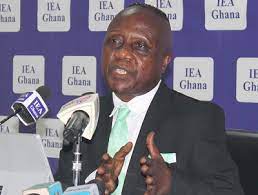
    “You see, a Currency Board (CB) is a rigid monetary management system that is hedged in strict rules, with little room for discretion. The CB does not lend to government and it covers its currency fully by foreign exchange”, Lead Researcher at the Intitute, Dr. John Kwakye, in a paper published and titled “Institutionalising Fiscal Discipline and Macroeconomic Stability for Sustained Growth in Ghana: The Constitutional Pathway” noted.


    “The CB system has limited inflation, the currency does not depreciate and balance of payments crises are rare. This is close to the system in our Francophone neighbours, who restrict their Central Bank lending to governments and provide adequate cover for their currency, the CFA.”


    IEA buttressed its points that, the Francophone countries system guarantees them low inflation and a stable currency, but “you have Ghana that has chosen an independent Central Bank to conduct discretionary monetary policy’.


    It also blamed the Central Bank of Ghana for some of the economic woes, saying, “The Central Bank provides significant lending to government and covers the cedi with limited foreign exchange (40% in the Act). No doubt we face perennial price and currency instability!”


    “It is for this reason that some of us have argued that if we continue to abuse policy discretion and pay a high price for it in terms of macroeconomic instability, then we better hedge our policies by rules; tie our economic managers hands, so that we can enjoy rules-driven macroeconomic stability!”, it added.


    Finally, the IEA said despite Ghana having rules such as the Public Financial Management Act, the Bank of Ghana Act and the Fiscal Responsibility Act, the rules have not work because of lack of political way.


    “Let me say that it is not that we have had no rules at all in fiscal and monetary management. In fact, I can mention a couple of them, such as the Public Financial Management Act, the Bank of Ghana Act, the Fiscal Responsibility Act and the relevant provisions in the 1992 Constitution, which represent attempts to introduce rules in our fiscal and monetary management system”.


    “However, there are serious questions regarding not only their enforcement but their effectiveness as well. And that is the reason we feel strongly about the need to give constitutional backing to some of these rules”, it concluded.

     

  • Fitch, IEA discount gov’t use of COVID-19 and Russia/Ukraine war as excuse for economy woes

    Ken Ofori Atta

    Adnan Adams Mohammed


    Ghana’s economic collapse cannot solely be blamed on COVID-19 pandemic and the Russian/Ukraine war, Fitch Solutions has discounted government’s overused excuse.


    It explains that, even before these external shocks hit the global economy, Ghana’s debt was above the sustainable level as measured against the International Monetary Funds threshold of debt to Gross Domestic Product ratio of 70 percent and below.


    The international investors’ research firm argue that, Ghana went back to the international capital market in early 2021 in desperation for cash. This attracted investors to take advantage of the sweet rates Ghana was selling its Eurobonds, this led to investor investors oversubscribing Ghana’s bonds which later resulted in currency sell off, and afterwards the country started witnessing symptoms of hiding chronic economic disease of escalating exchange rate and inflation since early 2022


    “I think the answer is, it’s been aggravated by the Covid-19 pandemic and the war in Ukraine. Those two are not the only cost to Ghana’s woes”, Senior Country Risk Analyst, Mike Kruiniger, responding to a question at a recent Sub Saharan Africa Macroeconomic Update event said. “Both external and internal shocks caused the macroeconomic imbalances in the country.”


    “Ghana’s debt servicing costs were already rising pretty rapidly prior to the pandemic with the government having to work on pretty large scale of spending projects including restructuring of the banking sector and providing free secondary education to everyone in Ghana”, he explained.


    Mr. Kruiniger also blamed the high borrowing on the international capital market as one of the country’s problems.


    “Ghana went back to the international capital market in early 2021, with this seamless desperation for cash. Investors started to flood the country which led the currency to sell off and after that, we’ve seen all the problems that Ghana has been facing since early 2022”.


    He concluded that though the Covid-19 and the Russian Ukraine war have contributed to Ghana’s crisis, they are not only the reasons behind Ghana’s economic challenges.


    Meanwhile, the Institute of Economic Affairs pointed that indiscipline in managing the country’s finances has caused the high fiscal deficits and consequently high inflation and currency instability, forcing innocent Ghanaians and businesses to pay for the mismanagement.


    The think-tank expressed it worry in a paper published and titled “Institutionalising Fiscal Discipline and Macroeconomic Stability for Sustained Growth in Ghana: The Constitutional Pathway.”


    Lead Researcher at the Intitute, Dr. John Kwakye, noted that Ghana has a long history of fiscal indiscipline and this is evident in its fiscal deficits being almost consistently higher than those of its peers in Africa.


    “Our deficits tend to escalate in election years when we elevate election-related spending. Then we borrow to finance the deficits and cause our public debt to escalate to unsustainable levels. We have been in that situation numerous times. Our debt reached the first crisis situation around 2004, when it ballooned to over 100% of GDP”.


    “We had to seek relief under the HIPC Initiative, which caused the debt-to-GDP ratio to drop to a sustainable level of 26% in 2006. Thereafter, we returned to our culture of fiscal indiscipline, which caused the debt to rise yet again. And today, the debt-to-GDP ratio is back to an unsustainable level of over 100%”, he explained.


    He added that the country must do everything possible to safeguard or institutionalise fiscal discipline under the constitution, else it will always record macroeconomic instability.


    Also, associated with the high fiscal deficits has been high inflation and currency instability, which the IEA called for immediate action.


    According to Dr. Kwakye, Ghana has had much higher inflation rates than its peers, adding, the cedi has experienced much higher depreciation over the years.


    Again, he said “government domestic borrowing to finance the deficits has elevated interest rates to levels that have crowded out the private sector, inhibiting investments and stifled economic growth. High fiscal deficits and the associated demand pressures have also spilled over to the external sector, leading to high current account deficits”.


    The economist opined that, prevalent fiscal indiscipline and its associated macroeconomic instability, and over-borrowing to spend on goods and services are what have taken the country to the IMF about 17 times.


    “We have been caught up in an unending cycle of high fiscal deficits, high interest rates, high inflation, high current account deficits, rapid exchange rate depreciation, and unstable growth. It is our prevalent fiscal indiscipline and associated macroeconomic instability and debt crises that have taken us to the IMF seventeen times”.


  • Health Awareness series: One million new people acquire Sexually transmitted diseases everyday

    Health Awareness series: One million new people acquire Sexually transmitted diseases everyday


    By Abida Bawa Harun


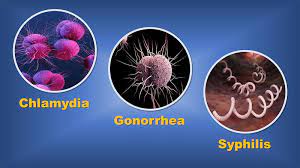
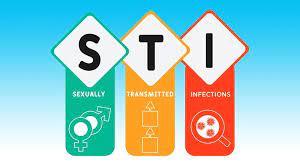
    Sexually transmitted infections are infection spread through sexual activity including anal and oral sex.


    Did you know more than 1 million sexually transmitted infections are acquired everyday. Yes it as estimated by the World Health Organization (WHO).


    A virus know as the human papilloma virus is associated with 311000 cervical cancer death each year.


    Did you know it is very difficult to differentiate between urinary tract infections and sexually transmitted infections.


    Most of the presenting symptoms are the same.
     

    Let’s talk about the signs and symptoms


    It normally varies depending on the infection but it includes rashes, swollen, burning sensation, itchiness around the vulva.

    Difficulty urinating and discharges


    Untreated STI in women is very dangerous it can affect the reproductive system (uterus, fallopian tube)


    Prevention of STI


    The safest is to use condoms during sexual activities.


    Vaccination: Get hepatitis B and human papilloma virus to prevent cervical cancer and hepatitis infections.


    The author is a clinical nursing officer and health wellness advocate

  • Men are at high risk of Haemophilia due to circumcision – Haematologist

    Men are at high risk of Haemophilia due to circumcision – Haematologist

    By Memuna Asumah


    Health expert has disclosed that men are at higher risk of develop haemophilia as a result of excessive bleeding after circumcision.


    A Senior Specialist Haematologist at the University of Ghana Medical Centre explained that the male immune system is not strong enough to produce the clotting factor to stop the continuous bleeding, making them vulnerable to the illness.


    “It is more with males because the gene that produces the clotting factor is on chromosome X, and males have only one chromosome X while females have two. So, for the females, even if one of the X chromosomes is affected, the other one is there to balance it, but males have X and Y”, Dr. Nana Agyeiwah Awuku noted when speaking a health event on a local TV channel.


    “If the gene on the X is affected, they don’t have any buffer. So, it’s commoner in males. One of the commonest presenting symptoms in early childhood is circumcision,” she added.


    Although haemophilia is a male-dominated infection, females are equally at risk because it is hereditary.


    Due to the risk of excessive bleeding, most families fail to circumcise their male offspring to prevent haemophilia.


    Dr. Agyeiwah on the other hand has advised them to disregard the disease’s myths, circumcise their children, and report to the nearest health facility if the need arises.


    Treatment, according to the haematologist, is free at all public hospitals in the country.


    Also speaking on the show, Martin Boakye, who is the President and Founder of the Ghana Haemophilia Society, noted that approximately 500 males have been diagnosed with the disease in the country.


    He stated that the gradual increase of the illness is due to misunderstanding and how it has been associated with rheumatism.


    This, he said contributes to the severity of haemophilia as the child grows older.


    “In the rural areas, they do concoctions and rub them on the legs of the child, which never works, then soon when the boy reaches 10 years, the knee is bent and swollen, and they call it rheumatism,” Mr. Boakye stated.


    As the president of the society, he revealed that he founded the Haemophilia Society in Ghana after losing his first son to the disease in order to create awareness and assist other victims, as the ailment is uncommon in the country.


    He said, “The movement started in 2009 when I lost my son a couple of years before and my second son had the same symptoms of circumcision. So, we started with 1, which is my son, and fast forward, we have around 480 patients diagnosed with haemophilia.”


    Mr. Boakye further indicated that the disease is becoming one of the leading causes of divorce in marriages, as some husbands abandon the children with the wives


    He has called on the government to provide the organisation with the resources it requires to save the lives of haemophilia patients.


    Haemophilia is a mostly inherited genetic disorder that impairs the body’s ability to make blood clots. This can lead to spontaneous bleeding as well as bleeding following injuries or surgery.


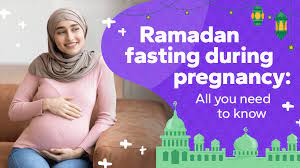
  • Pregnancy and fasting: a threat to zero maternal mortality goal?

    Pregnancy and fasting: a threat to zero maternal mortality goal?

    By Fouziyah Abdul Latiff (Nurse and Health Writer)


    Health practitioner has alarmed of a looming danger and threat to the global agenda of ‘Zero Maternal Mortality’ as some pregnant women are forcing themselves to join the Muslims month of fasting in Ramadan.


    A Principal Physician Assistant who double as Monitoring and Evaluation expert in the Savannah Region of Ghana, is worried against the insistence of some pregnant women in the West Gonja municipality to fast against medical advice.


    The Physician alarmed that, pregnant women in the municipality are noted for having very low haemoglobin levels that require the intake of a well-balanced diet alongside hematinic to correct their anaemia status. So fasting for a month with such abnormal maternal health conditions is considered as a threat to the quest for zero maternal death in the sub-municipality since mothers at the point of delivery might not have enough energy and strength to push for the baby to be delivered.


    “In some cases, some of these women are rushed into the labour ward fasting and no amount of plea from the midwife would convince them to break their fast”, Nuhu Kantamah Abdul Ganiyu lamented during an interview.


    ”We are calling on all stakeholders especially the health workers and the Imams to assist in educating some of these pregnant women and their husbands against this practice,” he said.


    He explained that maternal and child mortality is a public health threat globally. According statistics there were an estimated 830 maternal deaths each day in 2015.


    “The majority (99%) of these deaths occur in rural communities of developing countries with more than half of the deaths occurring in sub-Saharan Africa.


    “The ratio of maternal mortality in developing countries such as Ghana is 239 per 100,000 live births in 2015. (WHO, 2018),” he said.


    “Fasting during the month of Ramadan is the fourth pillar of Islam which is obligatory for every adult Muslim except the sick, pregnant women, nursing mothers, women on their menses and the traveller,” he concluded.


    Acoording many research and the Islamic theology fasting while pregnant is not recommended.


    During the month of Ramadan, healthy adult Muslims abstain from eating and drinking from sunrise until sunset. This represents a form of intermittent fasting where both the quantity and quality of food eaten are altered. Although pregnant Muslim women are exempt from fasting, evidence suggests that up to 90% partake in Ramadan fasting for at least part of the month, being keen to share the cultural experience with their families.


    A systematic review and meta-analysis by a group of research (Jocelyn D. Glazier et al) indicates that, “the estimate of 230 million Muslim women of childbearing age worldwide, with a fertility rate averaging 3.1 children per woman, leads to the potential for up to 535 million babies in each generation to be exposed in utero over Ramadan to a repeated cyclical pattern of maternal intermittent fasting.


    “Exposure to a restricted or sub-optimal diet during pregnancy affects fetal development and has life-long health impacts on the offspring. Low birth weight and altered neonatal growth trajectories are associated with an increased risk of cardiovascular disease, diabetes, obesity and impaired cognitive function. Preterm delivery and reduced birth weight are more prevalent in women who eat less frequently while pregnant, suggesting that pregnant women who fast during Ramadan may be more likely to give birth to premature or underweight babies.”


    Consequently, although the impact of Ramadan fasting during pregnancy on the health of the child has been investigated, individual studies show conflicting results and sample sizes are often too small to allow evaluation of serious, but infrequent, outcomes. Furthermore, the timing of exposure to maternal fasting during Ramadan may affect the outcome, yet the trimester of fetal exposure to fasting is generally poorly defined in studies. Although fasting could arise at any pregnancy stage, occurrence early in the first trimester seems most likely as the mother may be unaware that she is already pregnant. Fasting during the first trimester has been reported to be associated with reduced birth weight, whereas placental weight, another predictor of health outcomes in offspring, is reportedly lower if the mother fasted during the second or third trimester.


    It is therefore better for Muslim women may have to seek advice from health practitioners regarding the safety of Ramadan fasting; however the current information available to pregnant women is contradictory and clear guidance is lacking. Therefore, available evidence regarding associations between Ramadan fasting and pregnancy outcomes needs to be evaluated.


  • HIV/AIDS cases increase by 62% in Kwahu municipalities

    By Abida H. Bawa


    Kwahu South Municipal Assembly in the Eastern Region has reported that between 2021 and 2022 the municipality experienced an increase of 62% in HIV and AIDS cases among general age groups.


    The Assembly indicated, that in 2022 alone, of a total of 5,567 people who availed themselves to be tested, 192 tested positive. Among the numbers were 65 males and 127 females.


    The municipality known for its paragliding and other picnics and carnivals which attracts tourists from around the global during Easter festivities. It is not much surprising cases of HIV/AIDS is rising uncontrollably despites control activities including awareness creation put in place by the Assembly.


    In the sessional address, delivered by the Municipal Chief Executive, Mr Emmanuel Atta Ofori Snr, at its first ordinary meeting of the fourth session of the Assembly held at Kwahu Mpraeso, the municipal capital, implored everyone to get tested to know whether he or she is infected or not and to take the necessary steps to start treatment and reduce the likelihood of spreading it.


    “Kwahu enclave has been marked a high-risk area for contracting HIV/AIDS according to reports”,  the MCE said.


    Mr Atta Ofori Snr spoke on many issues confronting the municipality such as social services, mass education, sanitation, security, and health among others.

  • Paediatric Society worries of increasing malnutrition cases

    Paediatric Society worries of increasing malnutrition cases

    Abida H. Bawa


    Ghana Paediatric Society has alarmed of a worrying situation increasing malnutrition cases due to the current economic hardship.


    The society noted that, more people are finding it difficult to eat two square meals a day. The situation is becoming disastrous to children.


    “Already, we have an issue with malnutrition because of the current hardships in the country,” Dr Hilda Mantebea, President of the Pediatric Society, said.


    She bemoaned the cost of eggs fish and a pound of meat currently which are needed in the meal of children for their protein content.


    This, she noted, has dire health consequences for the country.


    The World Health Organisation define Malnutrition as deficiencies or excesses in nutrient intake, imbalance of essential nutrients or impaired nutrient utilization. The double burden of malnutrition consists of both undernutrition and overweight and obesity, as well as diet-related noncommunicable diseases.


    UNICEF in a new report on children, food and nutrition has warned that, an alarmingly high number of children are suffering the consequences of poor diets and a food system that is failing them. It indicated that, in Ghana, close to one in every five children under 5 years is stunted while one in every ten children under 5 is underweight.


    Also, compounding the current situation of malnutrition, a new report by the United Nations concluded that widespread child under-nutrition has taken a toll on Ghana’s economy. The report, The Cost of Hunger in Africa: Social and Economic Impact of Child Undernutrition in Ghana, found that the effects of hunger and stunting cost Ghana $2.6 billion dollars per year.


    The report argues that Ghana’s government must make nutrition more of a priority in national development planning in order to improve food security.


    Chronic malnutrition and stunting afflicts 19 percent of Ghana’s population and is responsible for 24 percent of all child mortality cases. Some areas face more hunger than others as 30 percent of children under five in Ghana’s northern region are stunted. Stunting occurs when adolescents are severely deprived of critical nutrients, such as proteins and minerals, while in the womb or during the first two years of life. According to the report, 37 percent of Ghana’s adult population suffered from stunting as children.


    Malnutrition and stunting have significant long-term consequences on individual development and Ghana’s economy. Chronic health and food insecurity have resulted in higher health care expenses, additional burdens on the national education system and lower productivity by Ghana’s workforce.


    The effects of stunting are also felt in Ghana’s educational system. Children who are underfed are more likely to miss, repeat classes and drop out of school. The report estimates that of the current working population aged 20 to 64, 72 percent of people who were stunted as a child completed primary school compared to 80 percent of those who were not stunted.


    The report further says that repeating grades “increases the demand that the education system must meet, with the resulting costs in infrastructure, equipment, human resources and educational input.” In 2012, the 19,720 students who repeated a grade cost Ghana’s education system approximately $12.85 million.


    Malnutrition also limits adults’ ability to work and contribute to Ghana’s economy. In manual work, such as agriculture, people affected by stunting lack the strength necessary to match the production and efficiency of individuals who are healthier. Non-manual workers who are stunted also produce less output because they received fewer years of schooling than people who were adequately nourished as children.


    The U.N. recommends that the government invest more in nutrition policies and interventions to boost the overall health of Ghanaians. Better coordination among national agencies is necessary to create a more concerted approach to providing citizens with better nourishment.


    The report notes that forging partnerships with private organizations and non-state actors will help the government “accelerate the development and implementation of malnutrition prevention strategies.”


    Health officials can also raise more awareness about ways that people can improve their nutrition and health.

  • GHS encourage parents to access vaccines for their children

    GHS encourage parents to access vaccines for their children

    Abida Bawa


    The Ghana Health Service (GHS) is encouraging all parents and the general public that all children who missed out on their scheduled vaccination are still eligible per the national vaccination policy.


    This follows the arrival of some childhood vaccines which had been in shortage into the country.


    A statement issued by the GHS and signed by its Director-General, Dr Patrick Kuma-Aboagye, announcing the delivery of some childhood vaccines that have been in short supply in the country for some time now, said: “Regional cold vans have been deployed with consignments to their various regional cold rooms for onward delivery to the districts and facilities from Monday, 13 March 2023.”


    Abida Bawa


    The Ghana Health Service (GHS) is encouraging all parents and the general public that all children who missed out on their scheduled vaccination are still eligible per the national vaccination policy.


    This follows the arrival of some childhood vaccines which had been in shortage into the country.


    A statement issued by the GHS and signed by its Director-General, Dr Patrick Kuma-Aboagye, announcing the delivery of some childhood vaccines that have been in short supply in the country for some time now, said: “Regional cold vans have been deployed with consignments to their various regional cold rooms for onward delivery to the districts and facilities from Monday, 13 March 2023.”


    The GHS also advised the public against buying these childhood vaccines as they are not for sale.


    “We want to take this opportunity to advise the public against buying these vaccines. The vaccines are free and can be obtained at designated health facilities and Child Welfare Clinics (Weighing centres) across the country,” the GHS said.


    It entreated all “caregivers not to rush for the vaccines since the Ministry of Health has made adequate provisions for vaccines for the rest of the year and beyond.”


    “We want to take this opportunity to advise the public against buying these vaccines. The vaccines are free and can be obtained at designated health facilities and Child Welfare Clinics (Weighing centres) across the country,” the GHS said.


    It entreated all “caregivers not to rush for the vaccines since the Ministry of Health has made adequate provisions for vaccines for the rest of the year and beyond.”

  • Mental Health Authority receives support from ICGC

    Mental Health Authority receives support from ICGC

    By Memuna Asumah


    The International Central Gospel Church (ICGC) has been commended by the Mental Health Authority for their continuous support to the Authority in helping bring attention and awareness to mental health issues.


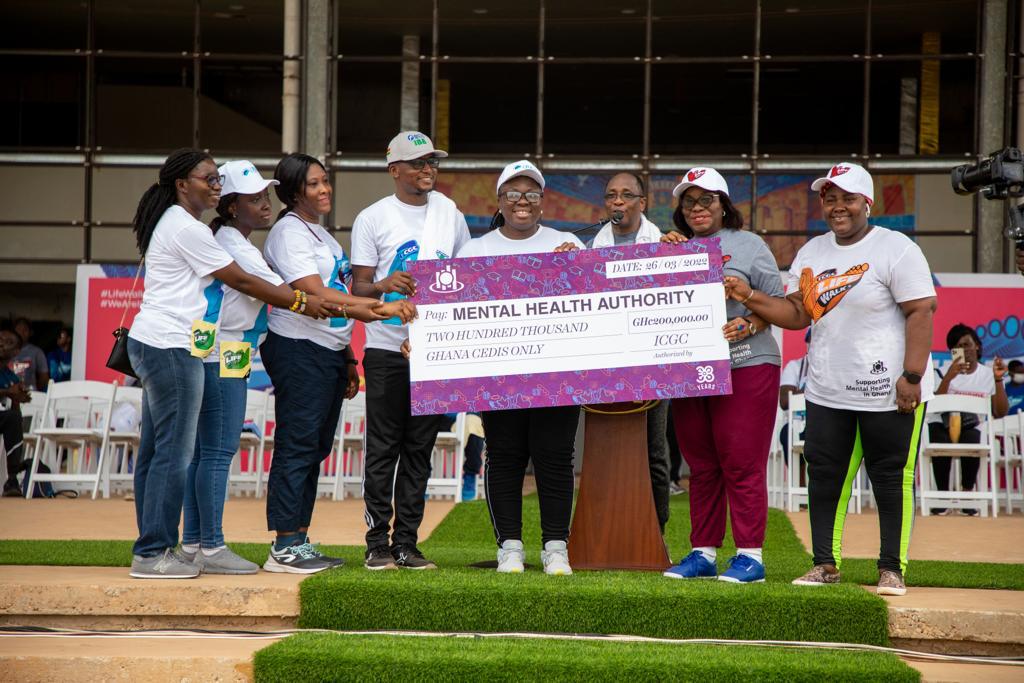
    The church recently presented two hundred thousand Ghana cedis (GHS200,000) to the Authority at the close of Life Walk; ICGC’s annual health and fitness event that encourages healthy lifestyles and serves as a platform to impact society.


    Acting Chief Executive Officer of the Authority, Dr. Caroline Amissah, said unlike previously when mental health was given little attention, it is now in the spotlight resulting in reduction in stigma.


    For the 5th consecutive time, the church chose to support the Mental Health Authority as part of a commitment to help improve conditions at the country’s Psychiatric Hospitals and create awareness to ensure effective management of cases.


    Accra South Regional Overseer of ICGC, Reverend Anthony Cudjoe, on behalf of the General Overseer, Pastor Mensa Otabil, made the presentation to the Authority.


    He said ICGC’s support for mental health is anchored in the understanding that it is an aspect of Ghana’s health care system that is underserved and needing the most resources.


    Reverend Anthony Cudjoe said Life Walk is more than a fitness and wellness event but an evangelistic and charity event. He reminded the gathering of how Jesus Christ went everywhere doing good.


    He posited “our mandate, and the third strand of our mission, is to influence society positively with the impact of the gospel”.


    In her remarks, Dr. Caroline Amissah noted that the collaboration with ICGC and other partners had led to an increased demand for mental healthcare with more people now reaching out freely for support when they have issues.


    She called on other institutions to emulate the gesture by ICGC to complement the efforts of the state.


    This year’s walk began at the Christ Temple East Campus of the church in Teshie and had senior officials of the church including General Overseer, Pastor Mensa Otabil, his wife, Lady Joy, General Secretary Rev. Morris Appiah, Regional Overseer for Accra North Rev. Yaw Annor, and various district heads leading the effort.


    The 12 kilometre walk took the thousands of participants through some major streets in the Teshie enclave including Tse Addo and the Military Cemetery.


    Officials of the Mental Health Authority, keep-fit lovers and members of the general public also joined the well-organized walk amidst brass-band music and singing by various cheer groups.

  • Childhood cancer, two other ailments added to NHIS list

    Childhood cancer, two other ailments added to NHIS list

    By Memuna Asumah


    As part of effort in healthcare accessible to reduce infant mortality, the government of Ghana has added childhood cancer onto the free healthcare program under the National Health Insurance Scheme (NHIS).


    This means that, the bills of any child-related cancer treatment at any accredited NHIS facility will be covered by the Scheme, as disclosed by Majority Chief Whip Annor Dompreh during a debate in Parliament recently.


    According to the World Health Organisation (WHO), about 1200 children under the age of 15 are estimated to develop cancer annually in Ghana. 8 out of 10 children diagnosed with cancer will survive the disease if it is detected early and access to treatment and care are available.


    However, in resource-constrained countries like Ghana, the reverse has been true,


    “Only 20% of children diagnosed with cancer survive”, WHO shared in its ‘Beating childhood cancer’ Fact-sheet. “For many, the cost of treatment was prohibitive – as high as US$ 7000 for up to three years treatment for leukaemia. In low-income countries only 30% of patients access treatment.”


    To save lives and reduce suffering of children with cancer, the World Health Organization’s (WHO) Global Initiative for Childhood Cancers (GICC) was launched in 2018 and Ghana been one of the six countries globally where the initiative has started up.


    Health workers at Korle-Bu receive technical support, in addition to monitoring and surveillance tools from WHO.


    Until recently, treatment for childhood cancer was not included in the Ghana National Health Insurance scheme. Some components of care such as diagnostics and supportive care free. The benefit package includes Burkitt’s lymphoma (bone marrow cancer often found in the jaw), Wilms’ tumour (cancer of the kidney), retinoblastoma (cancer of the back of the eye) and acute lymphoblastic leukaemia (cancer of the blood) are now covered under the NHIS.


    The First Lady of Ghana, Rebecca Akufo-Addo, announcing the addition of childhood cancers to the national health scheme emphasized that, “It is cost effective, feasible and can improve survival of children with cancers.


    “Our children deserve to live long productive lives, to enable them to compete successfully with any other child in the world.”


    In Ghana, 42% of children with cancer are accessing treatment and since 2018, 85% of children complete a full round, that is up from 50% in 2010.