
By Adnan Adams Mohammed
Asian financiers are holding back on transformative investment opportunities across West Africa due to inflated risk perceptions and project preparation gaps, the Bank of Ghana warned global finance leaders on Thursday.
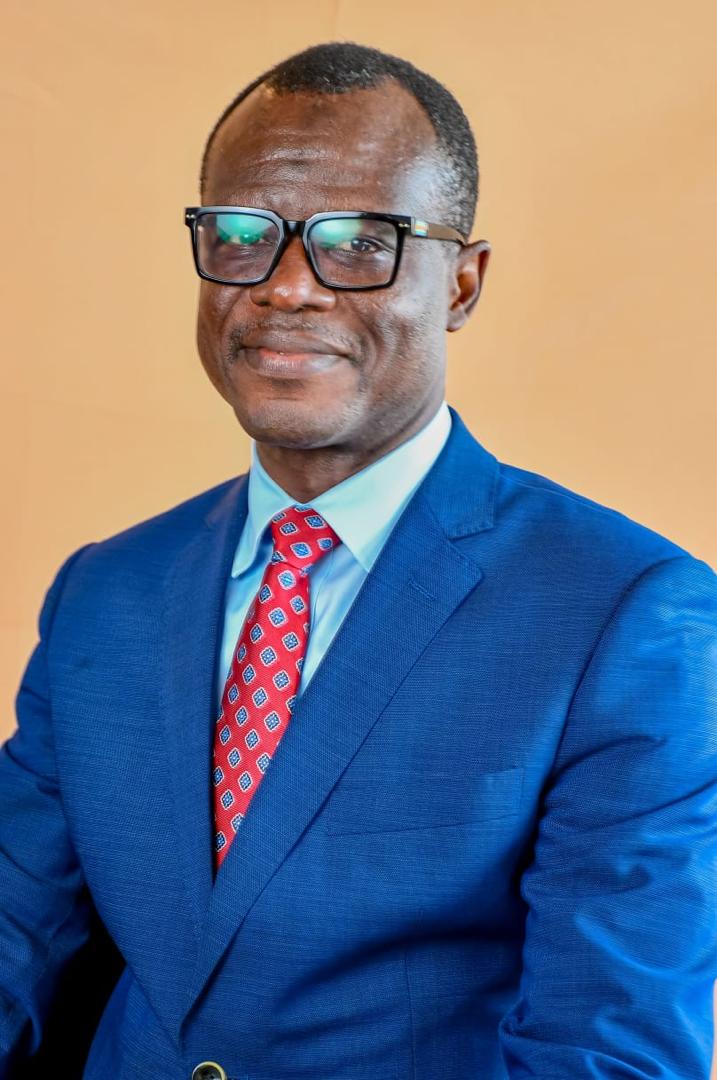
In a keynote address at the High-Level West Africa – Asia Capital Dialogue during the IMF – World Bank Annual Meetings in Bangkok, Dr. Zakari Mumuni, First Deputy Governor of the Bank of Ghana, challenged international investors to look beyond broad regional stereotypes and partner with African nations on commercial solutions.
Speaking on behalf of Governor Johnson Asiama, Dr. Mumuni emphasized that the primary barrier to capital flow is not a scarcity of viable projects, but how risk and project readiness are managed.
“The challenge is not a lack of capital or investment opportunities, but confidence, risk perception, and effective investment structures,” Dr. Mumuni stated. “Macroeconomic stability is necessary but not sufficient. Investors also require policy predictability, credible institutions, and well-prepared projects.”
Addressing head-on the economic hurdles that have historically slowed foreign direct investment, Dr. Mumuni pointed to Ghana’s recent recovery as proof that decisive structural reforms yield tangible results. Following significant adjustments, Ghana has seen a drop in inflation, stronger debt sustainability, and recent credit rating upgrades.
“The lesson is clear: macroeconomic instability increases risk, raises financing costs, and discourages long-term investment,” Dr. Mumuni noted. “Conversely, price stability, sustainable public finances, and credible institutions create the foundation for private-sector growth.”
Despite structural economic improvements across several West African markets, persistent friction points such as foreign exchange risk, regulatory uncertainty, weak contract enforcement, and exit constraints continue to delay Asian capital. Dr. Mumuni stressed that African institutions must take the lead in making opportunities commercially viable rather than assuming development needs will automatically draw private funding.
“Development needs do not automatically become investable opportunities,” Dr. Mumuni argued. “Projects must be commercially viable, properly structured, supported by credible feasibility studies, and accompanied by transparent risk allocation mechanisms.”
He urged Asian institutional investors to differentiate among West African economies rather than applying a single risk assessment to the entire region. Highlighting dynamic sectors in Ghana including agro-processing, manufacturing, energy, logistics, and fintech—as well as market expansion under the African Continental Free Trade Area (AfCFTA), Dr. Mumuni urged both regions to move from talk to actionable execution.
He outlined a blueprint for action: leveraging local-currency financing to eliminate exchange rate mismatches, building stronger risk-sharing instruments with development finance institutions, and creating structured channels between African project sponsors and Asian investors.
Outlining the boundary between commercial markets and public policy, Dr. Mumuni clarified the precise role central banks play in enabling these investments.
“Central banks cannot determine the commercial success of investment projects,” Dr. Mumuni affirmed. “Our responsibility is to provide a stable and credible monetary and financial environment. This includes maintaining price stability, safeguarding financial stability, supporting efficient payment systems, and ensuring transparent foreign exchange arrangements.”
Dr. Mumuni called on the ECOWAS Bank for Investment and Development (EBID) to act as a central coordinator in tracking concrete progress across priority sectors.
“Our responsibility in Africa is to make opportunities more investable,” Dr. Mumuni concluded. “Our partners’ responsibility is to assess those opportunities objectively and work with us to develop commercially viable solutions… Ultimately, success will be measured not by the number of discussions we hold, but by the investments made, the businesses expanded, and the partnerships sustained.”
