
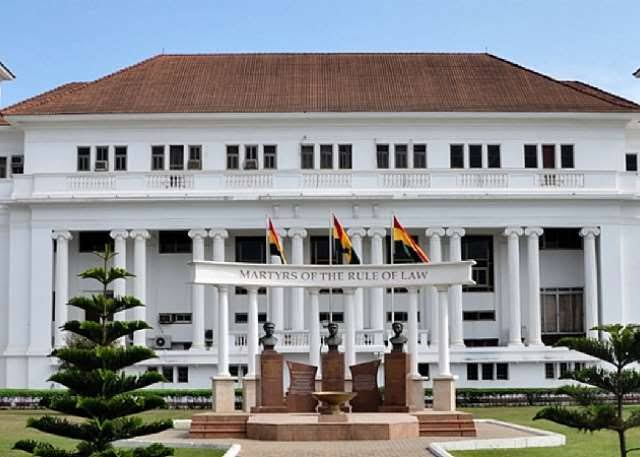
A group of high-profile legal figures, lawmakers, and media personalities have mounted a major legal challenge at Ghana’s apex court, seeking to strike down key provisions of the newly enacted Tribunals Act, 2026 (Act 1181) as unconstitutional.
The legal action filed against the Attorney General and Minister for Justice under Articles 2(1)(b) and 130(1)(a) of the 1992 Constitution brings together prominent New Patriotic Party (NPP) Members of Parliament alongside broadcast journalist Paul Adom-Otchere and party leadership.
The plaintiffs include Asante Akim Central MP Kwame Anyimadu-Antwi, Deputy Minority Chief Whip Habib Iddrisu, NPP Second Vice Chairman Henry Nana Boakye, broadaster Paul Adom-Otchere, as well as MPs Nana Agyei Baffour Awuah (Manhyia South), Nana Asafo-Adjei Ayeh (Bosome Freho), and Anthony Mmieh (Odotobri).
Core Grounds of the Lawsuit
The suit contends that Parliament exceeded its constitutional powers by creating a separate tribunal structure that infringes upon judicial independence and the administrative authority of the Chief Justice.
Plaintiffs’ Constitutional Challenge:
“Parliament lacks the constitutional mandate under Article 126(1) to establish a tribunal framework outside the recognized judicial hierarchy. Key provisions of Act 1181 specifically Sections 2(1)(a), 4(1), 27, 29 through 41, and 51 improperly regulate judicial procedure and constitute legislative overreach into the domain of judicial power.”
On Judicial Independence and Chief Justice Authority:
“Vesting administrative control over tribunals in the Judicial Council alongside a Tribunal Oversight Committee, as structured under Sections 5, 42, 49(2), and 50(2), directly violates Articles 125(4) and 127 of the 1992 Constitution by curtailing the constitutionally protected administrative powers of the Chief Justice.”
Political Context and Next Steps
The Supreme Court challenge follows intense political friction surrounding the legislation. The passage of the Public Tribunal Bill, 2026 in July was marked by a Minority parliamentary boycott and vocal opposition from organized labor, including the Trades Union Congress (TUC). Despite these objections, President John Dramani Mahama assented to the bill into law as part of a wider package of governance, economic, and judicial reforms.
The Attorney General has been served with the plaintiffs’ statement of case and has 14 days to file a formal defense. The Supreme Court has yet to fix a date for preliminary hearings.
