
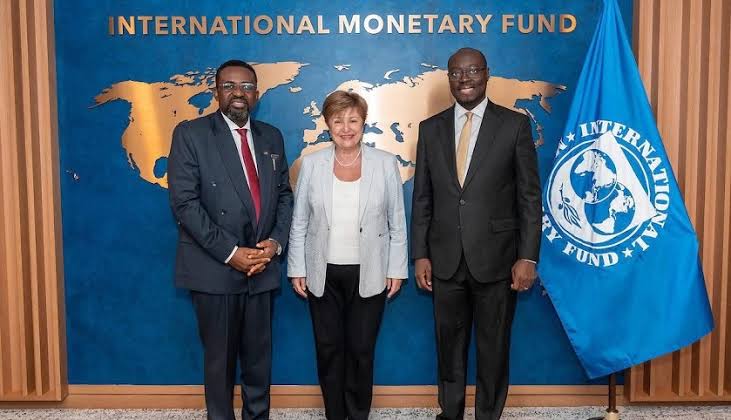
Ghana’s economic trajectory faces a critical evaluation this week as an International Monetary Fund (IMF) delegation is expected to arrive in Accra to launch the first formal review under the nation’s 36-month Policy Coordination Instrument (PCI).
The two-week mission, headed by Dr. Ruben Atoyan, comes at a pivotal juncture as government officials prepare the forthcoming 2027 Budget and wrestle with mounting energy-sector legacy debts that continue to weigh on the national treasury.
Rather than focusing solely on routine performance tracking, the expected high-stakes deliberations will delve into fiscal metrics through September 2026, progress on domestic revenue mobilization, the recapitalization of the Bank of Ghana, and regulatory oversight across the broader financial market.
The PCI framework transitioned to after Ghana successfully wrapped up its Extended Credit Facility (ECF) program on July 27, 2026 does not come with direct IMF loans. Instead, it serves as a strict monitoring mechanism to signal stability and policy discipline to global financial markets.
Addressing the significance of the delegation’s arrival, Finance Minister Dr. Cassiel Ato Forson emphasized that the country remains committed to long-term structural reforms aimed at safeguarding recent economic gains.
“The framework is intended to anchor Ghana’s next phase of reforms, strengthen economic resilience, and support broad-based growth,” Dr. Forson noted, emphasizing that the engagement will “help preserve gains made under IMF-supported reforms while reinforcing policy credibility and investor confidence.”
Economic experts note that while no cash disbursements are attached to the outcome, the stakes remain high. A positive assessment from Dr. Atoyan’s team will offer a vital stamp of approval to private investors and international development partners. Conversely, any shortfalls in addressing energy debts or revenue collection targets could undermine market confidence.
Over the next fortnight, the IMF team will hold bilateral talks with government ministers, central bank executives, and key private-sector stakeholders before issuing a formal concluding statement outlining their findings and recommendations for the Ghanaian economy.
