
By Adnan Adams Mohammed
International investors are taking a fresh look at Ghana as the International Monetary Fund (IMF) significantly upgraded the nation’s 2026 economic growth forecast to 5.7%, up from 4.6%, while projecting inflation to drop to 4.8%.
The revisions, announced at the IMF and World Bank Annual Meetings in Bangkok, reflect a strengthening macroeconomic environment that is improving perceptions of risk and paving the way for renewed foreign direct investment.
The updated outlook highlights how fiscal discipline, strong gold export earnings, and adherence to the IMF’s Policy Coordination Instrument (PCI) are stabilizing Ghana’s economy. For foreign and institutional investors, the combination of robust GDP growth, easing price pressures, and recent credit rating upgrades from Moody’s and Standard & Poor’s signals lower financing costs and better risk-adjusted returns across key sectors.
Unlocking Capital for the ‘New Economy’
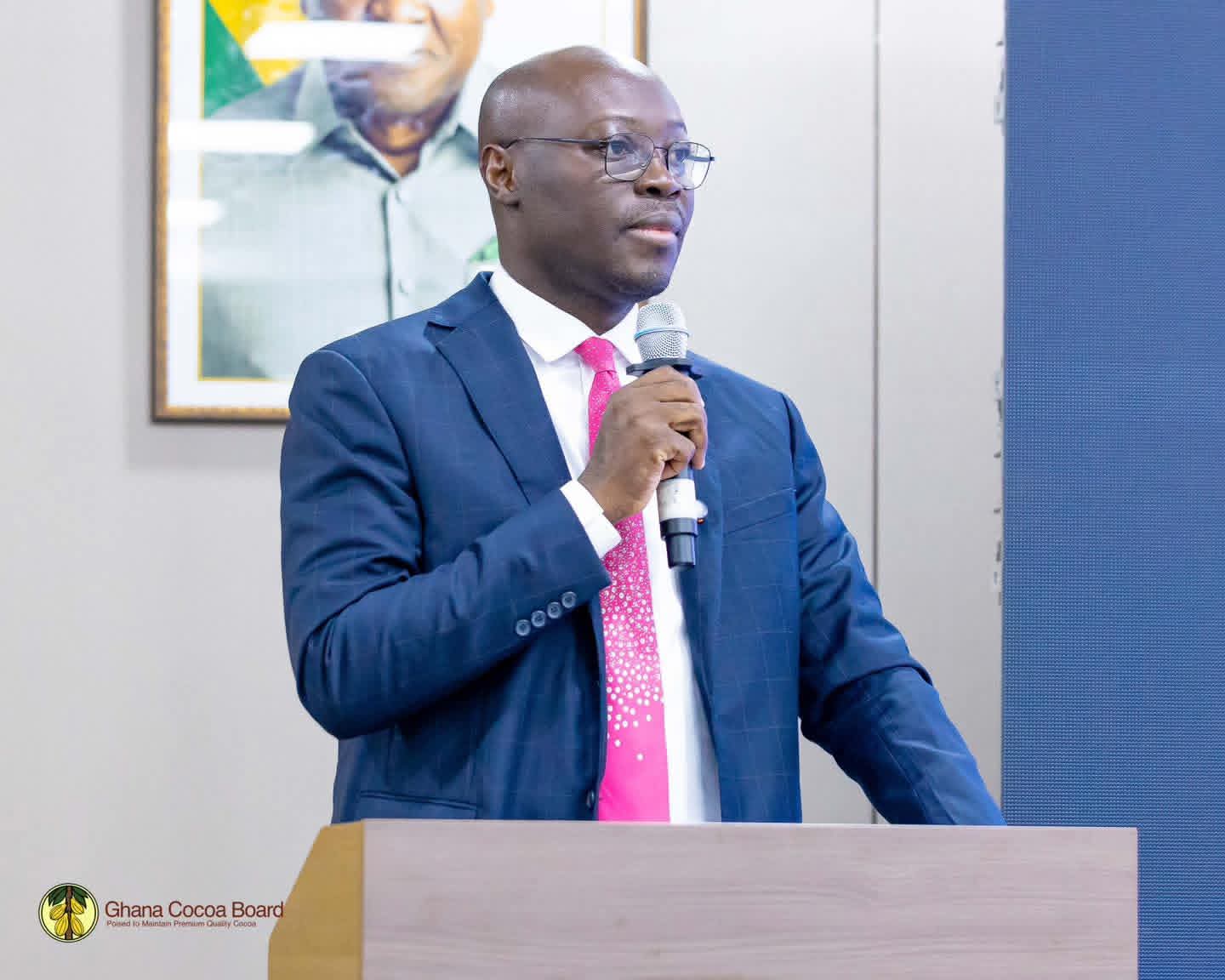
Heading the Ghanaian delegation in Bangkok, Finance Minister Dr. Cassiel Ato Forson is leveraging the improved economic fundamentals to market Ghana’s upcoming “New Economy” agenda to international financial institutions and global investor groups.
Emphasizing that emergency recovery efforts have successfully laid the groundwork for structural expansion, Dr. Forson underscored the transition from short-term stabilization to long-term investment:
“Stabilisation was never the destination. It was the price of entry.”
The Minister’s high-level bilateral discussions with multilateral lenders and private investors precede the upcoming 2027 Budget, where the government will unveil concrete policy frameworks intended to drive sustainable growth and channel private capital into priority domestic industries.
According to a statement released by the Ministry of Finance, the government’s presentation in Bangkok focuses on demonstrating long-term viability:
“The recovery provides a firm foundation for the government’s next major policy undertaking: building an economy capable of sustaining growth and delivering lasting development for all citizens.”
Stronger Fundamentals Boost Commercial Confidence
The IMF’s 5.7% GDP growth projection exceeds the government’s own baseline budget estimate of 4.8%, underscoring growing international confidence in Ghana’s commercial momentum. Data from the Ghana Statistical Service shows the economy expanded by 6.0% in the second quarter of 2026, bringing first-half growth to 6.2%.
A key highlight for foreign business leaders is the dramatic cooling of consumer prices. The IMF’s year-end inflation target of 4.8% sits well below the Bank of Ghana’s target range of 6% to 10%, offering businesses a far more predictable operating environment.
This surge in domestic market activity was echoed in the World Bank’s latest Africa Economic Update, which noted significant momentum in private and public capital expenditures:
“Growth was supported by strong domestic demand, with investment increasing by 53.0% and domestic demand rising by 11.2%, reflecting continued strength in private and public spending,” the World Bank reported.
Strategic Diversification and Risk Management
While the IMF noted that elevated gold prices have bolstered Ghana’s trade balance and foreign reserves, Fund officials urged the government and incoming investors to focus on structural diversification to shield the economy from external commodity price volatility.
With global economic growth projected to moderate to 3.1% in 2026 amid trade tensions and geopolitical uncertainties, the IMF noted that resilience will depend on domestic fiscal discipline and strategic economic policy.
“The factors supporting global resilience have limits, with growth risks tilted to the downside. Escalation of conflicts, trade tensions, and fiscal vulnerabilities could weaken global economic activity,” the IMF report cautioned.
For global investors seeking high-yield emerging market opportunities, Ghana’s combination of accelerating growth, single-digit inflation, and proactive fiscal management presents a compelling investment destination as the country prepares to launch its next phase of economic expansion.
