
By Humu Salma Mahama
Cocoa farmers and traditional leaders across key growing hubs in the Ashanti Region have voiced support for the newly enacted Ghana Cocoa Board Act, 2026 (Act 1182).
They expressed satisfaction with legal protections for farmlands and the rationale guiding farmgate price determinations for the current crop season.
The consensus emerged following the conclusion of a multi-district stakeholder engagement tour organized by the Ghana Cocoa Board (COCOBOD) in collaboration with its Cocoa Health and Extension Division (CHED). The outreach covered seven major cocoa-producing districts: Offinso, Kyerayaso, Toase, New Edubiase, Kuntenase, Kona, and Juansa.
While initial expectations among some farming communities leaned toward a higher farmgate price announcement, participants acknowledged that technical briefings on market dynamics, global price volatility, and sector sustainability helped clarify the economic realities behind the government’s pricing framework.
Legal Protections Against Illegal Mining and Farmland Encroachment
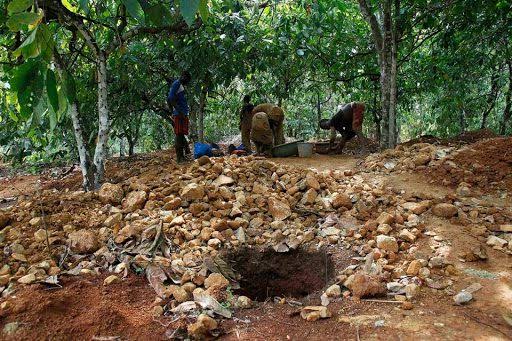
A primary focus for community elders and farmers during the consultations was the enforcement of Act 1182’s legal provisions against illegal mining (galamsey) and unauthorized sand winning on cocoa farms. Attendees urged COCOBOD to maintain intensive public education so that rural landholders can fully leverage the law to protect cocoa-growing ecosystems.
Stakeholders also advocated for the complete depoliticization of cocoa administration, urging political actors to treat cocoa management as a national economic priority rather than a partisan issue.
Beyond farmland protection, farmers petitioned COCOBOD to accelerate key welfare and operational support programs. Specific demands included the timely and equitable distribution of free agricultural inputs such as fertilizers and crop protection chemicals the operationalization of the long-awaited Cocoa Farmer Pension Scheme, and enhanced transparency in awarding cocoa tertiary education scholarships.
COCOBOD Reaffirms Open Dialogue and Input Support
Addressing farmers during the sessions, Deputy Head of Public Affairs at COCOBOD, Mr. Benjamin Larweh, stressed that the board considers open communication essential for policy success and mutual trust.
“Keeping farmers informed and actively involved in discussions on policies directly affecting their livelihoods remains a core priority for COCOBOD. These regional sessions reflect our commitment to open communication, stakeholder participation, and building a shared understanding of the reforms required to sustain Ghana’s cocoa sector,” Larweh stated.
He assured participants that feedback gathered across the seven districts ranging from input supply timelines to pension implementation would be formally presented to COCOBOD management for action.
Outlining immediate operational next steps, the Ashanti Regional Manager of CHED, Mr. Isaac Adu, announced that extension officers will conduct follow-up meetings focused on input distribution and disease control.
“CHED is scheduling localized engagements to streamline the distribution of fertilizers and essential agricultural inputs, while coordinating the upcoming mass spraying exercise under the Cocoa Diseases and Pests Control Programme (CODAPEC) to maximize yield protection across all farms,” Adu explained.
The completion of the Ashanti Region circuit marks the first phase of a nationwide COCOBOD stakeholder campaign aimed at aligning local farming communities with the statutory provisions of Act 1182 and national cocoa productivity targets.
