
By Adnan Adams Mohammed
In the high-stakes arena of national politics, effective governance often relies less on public grandstanding and far more on the silent, deliberate mechanics of executive strategy.
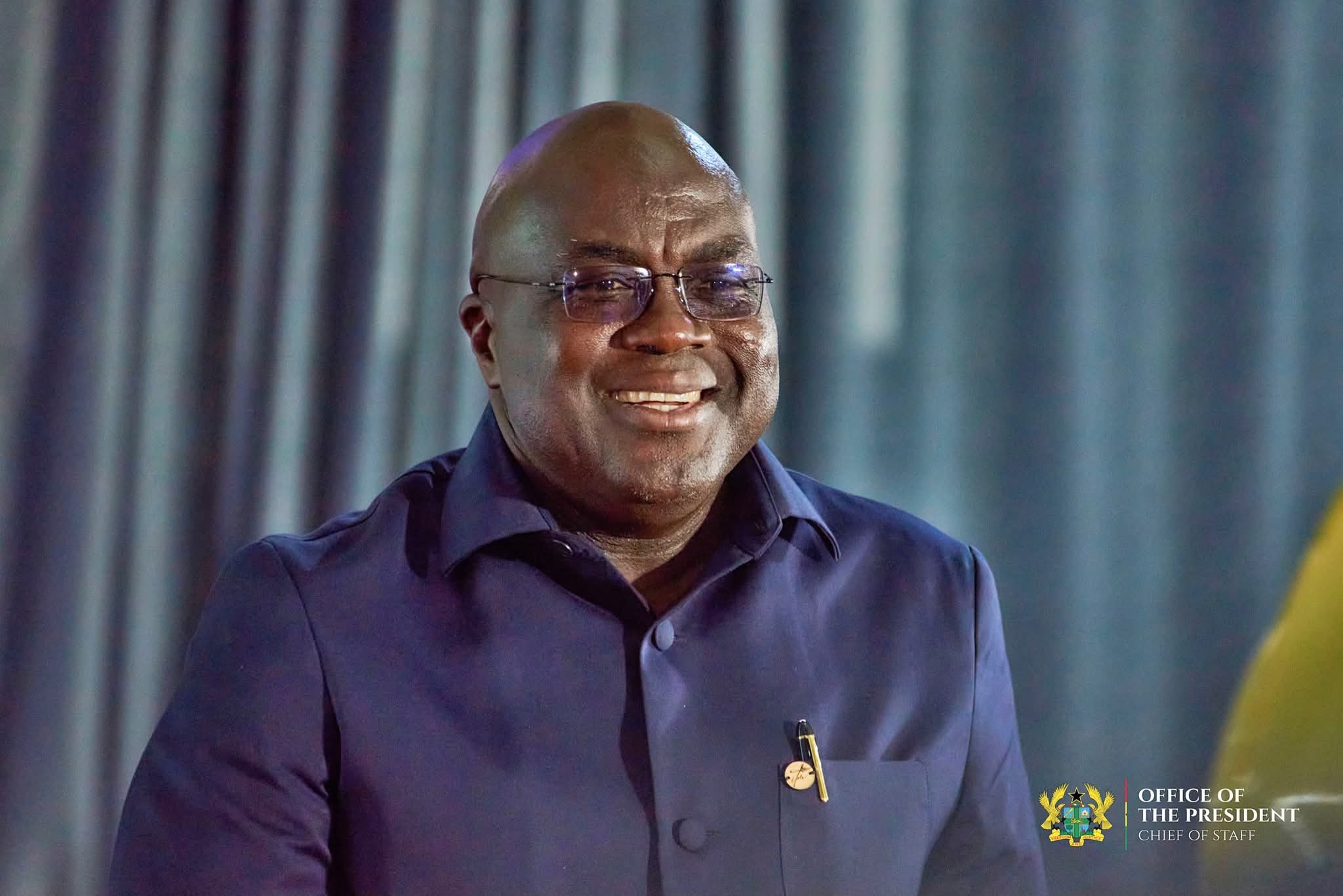
At the center of this administrative engine stands former Chief of Staff Julius Debrah, whose quiet approach to political coordination continues to serve as a cornerstone of President John Dramani Mahama’s operational success.
From managing key political relationships to aligning policy execution across ministries, Debrah has carved out a reputation as the ultimate stabilizer a strategist who operates out of the spotlight to guarantee that presidential directives move seamlessly from policy design to practical implementation.
Observers of the administration note that his calm demeanor and focus on structural discipline have provided much-needed cohesion within the executive branch, shielding long-term government priorities from daily political distractions.
“Julius Debrah’s greatest asset is his ability to project power without noise,” observed a senior political scientist in Accra. “In an political environment often dominated by media theatrics, his focus remains entirely on operational efficiency, political harmony, and delivering on executive promises.”
The Diplomat of the Inner Circle
Having previously served as Eastern Regional Minister, Minister for Local Government and Rural Development, and Chief of Staff, Debrah brings years of hands-on administrative experience to the table.
Colleagues and party insiders routinely point to his open-door policy and conflict-resolution skills as instrumental in bridging gaps between party grassroots, civil servants, and political appointees.
“He understands the human side of governance,” noted a senior party strategist. “Debrah listens carefully, resolves friction quietly, and ensures that everyone—from grassroots organizers to sector ministers—remains focused on a singular objective: supporting the President’s vision for the country.”
A Model for Modern Political Strategy
As the administration navigates complex economic and social reforms, political analysts suggest that the presence of seasoned, low-profile strategists like Debrah is essential for long-term institutional stability.
Rather than seeking personal accolades, his method centers on building sustainable governance frameworks that enhance state capacity and public trust.
“True strategic success is measured by output, stability, and public confidence,” a governance fellow added. “Julius Debrah demonstrates that quiet planning and steady coordination are the real drivers behind a successful presidency.”
