
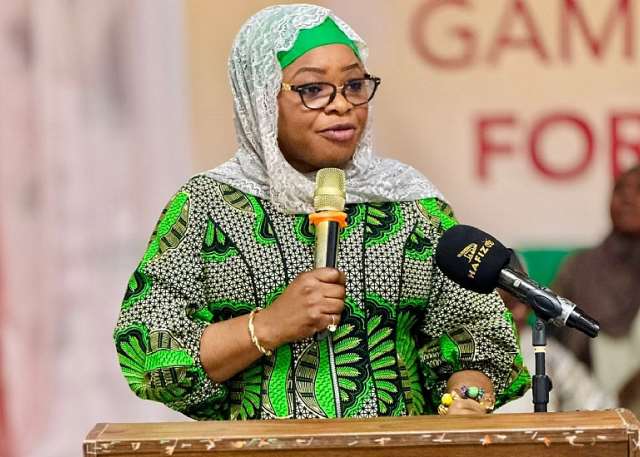
Ghana’s broadcasters have been encouraged to protect the credibility of the media by maintaining independence, fairness and professionalism in their work.
Deputy Presidential Spokesperson Shamima Muslim made the call at the Broadcasters Convention 2026, where she emphasised the need for the media to remain a trusted source of information in Ghana’s democratic system.
She said broadcasters should not consider it necessary to support government positions at all times, stressing that their primary obligation was to serve the public with credible and balanced journalism.
“A strong democracy does not need broadcasters that agree with the government all the time but broadcasters that the public and even government can trust to do their work without fear or favour,” she said.
According to Ms Muslim, confidence in the media has a direct bearing on public confidence in democratic institutions, particularly when citizens depend on broadcasters for information about national affairs.
She noted that the influence of broadcasters goes beyond news reporting, as the media also play a central role in educating citizens, shaping public opinion and ensuring that those in positions of authority are held accountable.
On the issue of press freedom, the Deputy Presidential Spokesperson said the government had no intention of interfering with the professional responsibilities of broadcasters.
She nevertheless urged media practitioners to recognise the responsibilities that come with the freedom to operate, particularly by ensuring that reports are accurate, fair, balanced and impartial.
The discussion comes amid growing concerns over misinformation and disinformation, with social media and digital platforms making it possible for unverified information to reach large audiences within a short time.
Ms Muslim therefore cautioned media professionals and the public to exercise restraint in the use of freedom of expression, especially when content has the potential to worsen political tensions or create divisions within society.
She also called for a stronger working relationship between the media and government, explaining that regular engagement should be aimed at improving national development rather than compromising the independence of the press.
Such cooperation, she said, could help deepen Ghana’s democratic culture, strengthen state institutions and create room for more productive national conversations.
The Deputy Presidential Spokesperson commended the organisers of the Broadcasters Convention for creating an avenue for industry players and other stakeholders to discuss the future of broadcasting in Ghana.
Participants at the 2026 convention include broadcasters, media owners, regulators, policymakers, civil society organisations and development partners, who are examining issues ranging from regulation and digitalisation to content development and the financial sustainability of media houses.
The convention is also seeking to promote greater public confidence in broadcasting and highlight the media’s continuing role as the fourth estate in Ghana’s democratic governance.
