
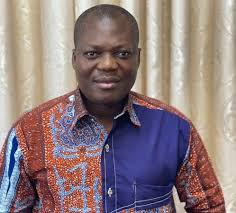
Professor John Gartchie Gatsi, Advisor to the Bank of Ghana
By Adnan Adams Mohammed
As Ghana speedily pushes to operationalise Non-Interest Banking And Finance (NIBF) – more popularly known as Islamic Banking – with the assurance of setting up a framework by the end of 2025, finance experts have tagged President John Mahama’s ‘Big Push’ and ‘Feed Ghana Initiative’ as biggest beneficiaries.
They believe NIBF will be a catalyst to finance most of the infrastructural and agricultural revolution as envisioned in the current government’s objectives under the ‘Big Push’ and ‘Feed Ghana Initiative’.
The NIBF, amid its comprehensive and holistic financing system which focuses on more productive results from money as against the conventional financial system which focuses on earning on money, provides secured, guaranteed and highly risk averse sources of funding tailored for specific projects at a time.
To this, the Bank of Ghana is developing a comprehensive framework for the introduction of Non-Interest Banking and Finance (NIBF) in the country. Led by Professor John Gartchie Gatsi, Advisor to the Bank of Ghana, the central bank aims to have this framework ready by the end of 2025 as it is currently on a broader jurisdictional and stakeholder engagement.
“NIBF is expected to finance big infrastructure projects, improve socio-economic activities, increase economic growth, deepen financial inclusion, and promote risk sharing in financial transactions”, Prof Gatsi noted at a workshop organised for journalists at Koforidua, last week.
“Bank of Ghana plans to work with the Securities and Exchange Commission (SEC), real sectors, and the insurance sector to promote a healthy financial ecosystem.”
The central bank has also engaged with Nigeria’s banks and capital market players to learn from their NIBF system.
It is expected that NIBF will create expanded banking, capital market, and insurance opportunities in Ghana which will support sustainable development and the government’s 24-hour economy initiative.
Untapped Non-Interest
Apparently, the Governor of Bank of Ghana, Dr Johnson Asiama, in his opening remarks read on his behalf by Mr Ismail Adam, Head of Banking Supervision said, “non-interest finance remains a largely untapped banking and financial opportunity in Ghana.
“In light of the structural constraints facing our economy—ranging from high graduate unemployment, sluggish GDP growth, significant infrastructure gaps, and limited fiscal space—NIBF presents a valuable opportunity to diversify both our financial system and sources of funding.
“What began as a niche complement to conventional finance in the 1970s has
evolved into a significant pillar of the global financial system. As of 2024, the NIBF industry surpassed a major milestone, with global assets exceeding US$5 trillion—
representing a 12% increase over 2023 and a 43% growth since 2020”, he noted while listing the numerous benefits of NIBF to economies.
The ‘Big Push’
The Big Push initiative as captured in the NDC 2024 manifesto is a US$10 billion infrastructure investment plan aimed at transforming Ghana’s economy and improving the quality of life for its citizens. The program focuses on several key areas, including: Investing in affordable housing to reduce the housing deficit and create jobs. Ghana has an estimated housing deficit of over two million units; Dualizing critical highways like Accra-Kumasi, Accra-Aflao, and Accra-Takoradi to ease transport costs and enhance regional integration. The Accra-Kumasi Expressway project is expected to commence soon; Expanding safe water access in underserved regions for dignity and public health; and Leveraging infrastructure projects for labor-intensive job creation and capacity building.
The Big Push agenda also emphasizes: Public-Private Partnerships, thus, leveraging private sector partnerships for well-structured public-private arrangements; Strengthening the Ghana Infrastructure Investment Fund (GIIF) for efficient fund management; and ensuring accountability through regular audits and public reporting.
Feed Ghana Initiative
President John Mahama’s Feed Ghana initiative, as captured in the NDC manifesto, is a flagship program aimed at transforming Ghana’s agricultural sector by boosting food production, reducing dependence on imports, creating jobs, and enhancing food security. Launched on April 12, 2025, in Techiman, Bono East Region, the program seeks to modernize agriculture and support Ghana’s economic transformation.
Key Components:
Smart Agriculture Promotion: Establishing Farmer Service Centers for mechanization, quality inputs, financing, market access, and training.
Grains and Legumes Development Project: Scaling up production of maize, rice, soybean, and sorghum for local consumption, agro-processing, and export.
Vegetable Development Project (‘Yiridya’): Promoting controlled environment farming and urban/peri-urban agriculture to reduce vegetable imports.
Institutional Farming: Encouraging schools and institutions with land to engage in crop and livestock farming.
Goals and Expected Outcomes:
The Feed Ghana Initiative is expected to reduce Ghana’s US$2 billion annual food import bill; Create sustainable job opportunities, especially for young people; Enhance food security and self-sufficiency; and Promote modernized farming practices and increase agricultural productivity.
With the kind of risk-sharing finance system and services provided by the non-interest banking and finance products, it is the most suitable financing system for the flagship initiatives of the government.
