
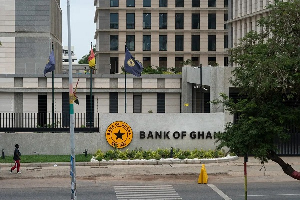
The Bank of Ghana (BoG) has granted international money transfer operators (IMTOs) a critical operational reprieve by extending the formal registration deadline to July 31, 2026.
This strategic extension is designed to give remittance service providers, commercial banks, and fintech firms ample time to fully comply with the central bank’s revamped regulatory and supervisory frameworks without disrupting the flow of foreign inbound remittances.
The extension offers a vital window of opportunity for operators, banks, specialized deposit-taking institutions, and payment service providers to align their frameworks with the central bank’s newly introduced regulatory guidelines.
Strengthening Oversight and Transparency
The operational guidelines form part of the central bank’s broader initiative to reinforce its supervisory capabilities, enhance market transparency, and safeguard the integrity of inward remittance flows. By mandating formal registration, the BoG aims to align local remittance networks with international best practices and robust legal frameworks.
According to institutional notices, the registration process requires all IMTOs currently functioning in the country, or those planning to enter the Ghanaian market, to submit formalized digital applications. Existing operators who fail to regularize their documentation within the newly stipulated timeframe risk facing strict regulatory sanctions.
Standardized Fees and Compliance
Under the established framework, the Bank of Ghana has maintained a transparent fee structure to streamline the verification of operating entities. Applicants are required to fulfill the following financial commitments:
● Registration Processing Fee: GHS 30,000.00 (payable upon initial application).
● Annual Operating Fee: GHS 100,000.00.
The central bank has noted that these fees remain subject to periodic reviews to match evolving economic dynamics and operational monitoring costs.
A Boost for the Financial Ecosystem
Financial analysts view the extension as a pragmatic approach by the regulator to prevent disruptions in remittance inflows a critical driver of foreign exchange and economic stability in Ghana. The buffer period allows financial institutions and tech-driven payment processors sufficient time to upgrade their Anti-Money Laundering (AML) and Counter-Terrorism Financing (CFT) protocols to satisfy the central bank’s vetting procedures.
Operators looking for technical guidance or administrative support regarding the submission workflow have been advised to utilize the dedicated digital support desks provided by the central bank before the July 31 cutoff.
