
By Adnan Adams Mohammed
With the dust barely settling on current political mandates, the internal machinery of Ghana’s major political parties is already humming at a high frequency in preparation for the 2028 general elections.
As the governing National Democratic Congress (NDC) begins the foundational, grueling work of electing executives from the local polling stations up to the National Executive Committee, attention has sharply shifted to an inevitable question: Who will succeed President John Dramani Mahama when his second and final constitutional term concludes on January 6, 2029?
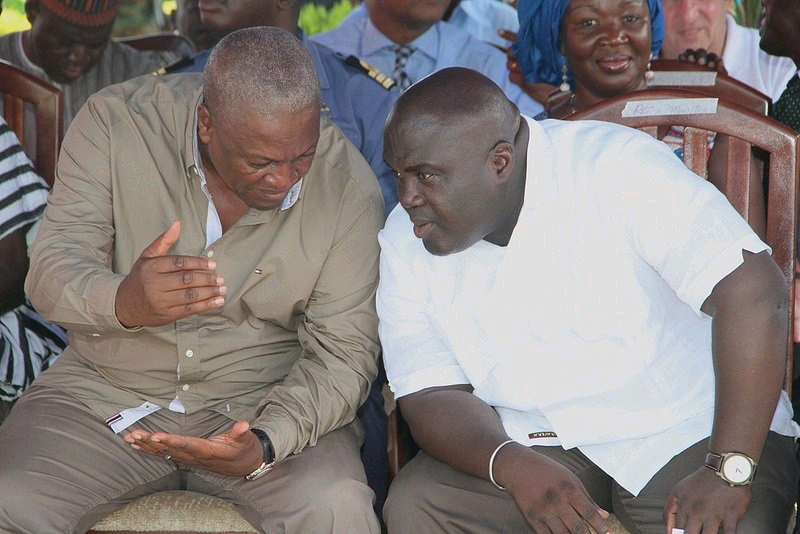
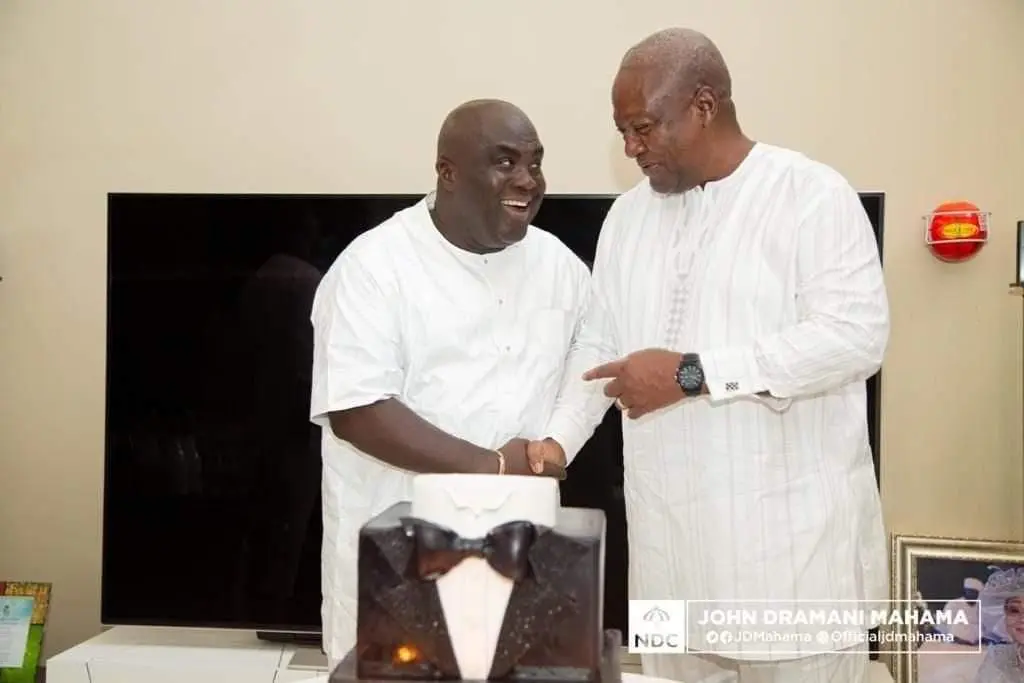
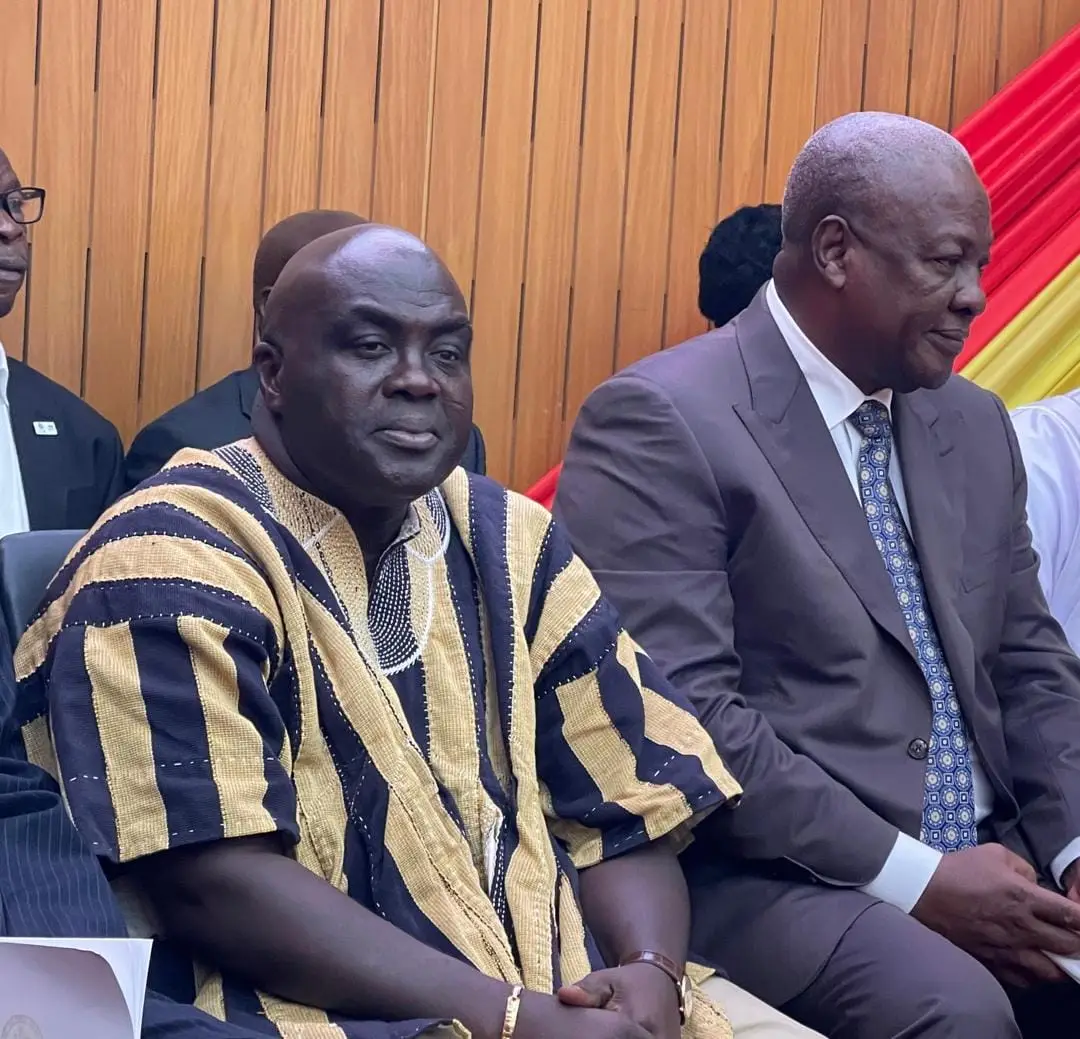
An early, powerful wave of internal momentum indicates that the current Chief of Staff, Hon. Julius Debrah, has emerged as the clear favorite among party faithful, corporate allies, and grassroots organizers to inherit, protect, and scale up Mahama’s multi-sectoral political legacy.
Grassroots Backing and Regional Momentum
Among the vocal party insiders driving this early, strategic campaign is Mr. Abambila John, a seasoned NDC strategist currently contesting the Deputy Secretary position for the Ahafo Ano North constituency in the Ashanti Region. Making a passionate appeal to the wider NDC fraternity, Mr. Abambila argued that navigating the high-stakes, post-Mahama era requires a leader with a rare mix of proven administrative competence, unblemished institutional loyalty, and a unifying character.
“Ghana is currently on a path of aggressive economic restructuring and infrastructural renewal under President Mahama,” Mr. Abambila told journalists during an interview in Kumasi, where he shared exclusive field data ahead of the party’s upcoming internal milestones. “We cannot afford a transition that stumbles. Ghana needs a leader like Julius Debrah to seamlessly sustain, protect, and expand upon the solid legacy President Mahama is building. He knows the blueprint because he is helping to draw it.”
Mr. Abambila emphasized that the political transition in 2028 will not just be about winning an election, but about institutional preservation.
“The grassroots are looking for stability. They are looking for someone who doesn’t just sit in a high office but understands the struggles of the party foot-soldier. Julius Debrah is the bridge between the executive presidency and the ordinary party member,” he added.
Echoes of State of the Nation: A Vision of Economic Takeoff
The push for a Julius Debrah candidacy gains heavier weight following President Mahama’s recent State of the Nation Address (SONA), which outlined a sweeping economic comeback plan. Mahama highlighted structural recoveries, including a stabilizing currency, rising foreign reserves, and robust interventions in agricultural and educational frameworks like the “No-Fee-Stress” policy for students.
Political analysts point out that executing this vision requires a leader intimately integrated into the administration’s core machinery. At a recent governance forum, Dr. Emmanuel Kwesi Anning, a political researcher, offered perspective on why Debrah fits this specific moment:
“The Mahama administration is attempting to shift Ghana from immediate economic recovery to a phase of long-term sustainable takeoff. In this matrix, the position of the Chief of Staff is not merely administrative; it is the ultimate clearinghouse for executive policy. Julius Debrah’s operational execution during this cycle makes him an organic choice for those seeking absolute policy continuity rather than ideological experimentation.”
The Appeal to Corporate and Floating Voters
According to the data breakdowns, Debrah’s unique political appeal stretches far past traditional party loyalists and regional delegates. A significant portion of the survey paid close attention to the anxieties of the Ghanaian business community, local industrialists, and unaligned middle-class voters. Both groups pointed to the Chief of Staff’s calm leadership style, extensive corporate background, and past track record as key indicators of his executive capability.
Furthermore, Debrah’s public addresses on international and local stages have solidified his stature. Speaking on behalf of the executive at the Inter-Parliamentary Conference, Debrah explicitly noted that cultural sovereignty cannot stand without absolute economic independence.
“Core leadership metrics, practical governance experience, and an individual’s ability to foster economic opportunities for all were heavily focused on by the independent voters we interviewed,” Mr. Abambila explained.
A senior private sector analyst, speaking on condition of anonymity regarding the survey’s corporate feedback, echoed these sentiments:
“The business community values predictability and accessibility. The Chief of Staff has operated as a highly effective, non-combative technocrat who understands economic policy. He represents a safe pair of hands for the private sector after Mahama’s term ends.”
Summing up the growing political consensus, Mr. Abambila issued a clear rallying cry to the party’s hierarchy as the internal reorganization intensifies.
“Stability and accessibility are precisely what are being looked for by the corporate sector and independent voters alike. The consensus from the ground is overwhelming: when nomination forms are officially opened for the flagbearership, the mandate to lead must be given to Julius Debrah by the delegates if we want a smooth transition and a decisive victory in 2028.”
Data Points to a Clear Lead
To back his assertions with empirical evidence rather than mere political rhetoric, Mr. Abambila revealed the findings of an extensive, independent survey conducted across 10 regions of Ghana. The poll sampled over 3,500 respondents, carefully balancing registered NDC delegates who hold the voting power at the national congress with crucial floating voters, whose evolving preferences ultimately dictate general election outcomes.
When respondents were asked who should lead the NDC into the 2028 presidential cycle, a remarkably clear preference for the current Chief of Staff was recorded, comfortably outpacing other high-profile party stalwarts and cabinet ministers:
Candidate Survey Preference Share (%)
Hon. Julius Debrah (Chief of Staff) 39%
Mr. Johnson Asiedu Nketiah (NDC National Chairman) 24%
Dr. Cassiel Ato Forson (Finance Minister) 20%
Professor Joshua Alabi (Political Veteran) 10%
Professor Jane Naana Opoku-Agyemang (Vice President) 7%
