
By Toma Imirhe
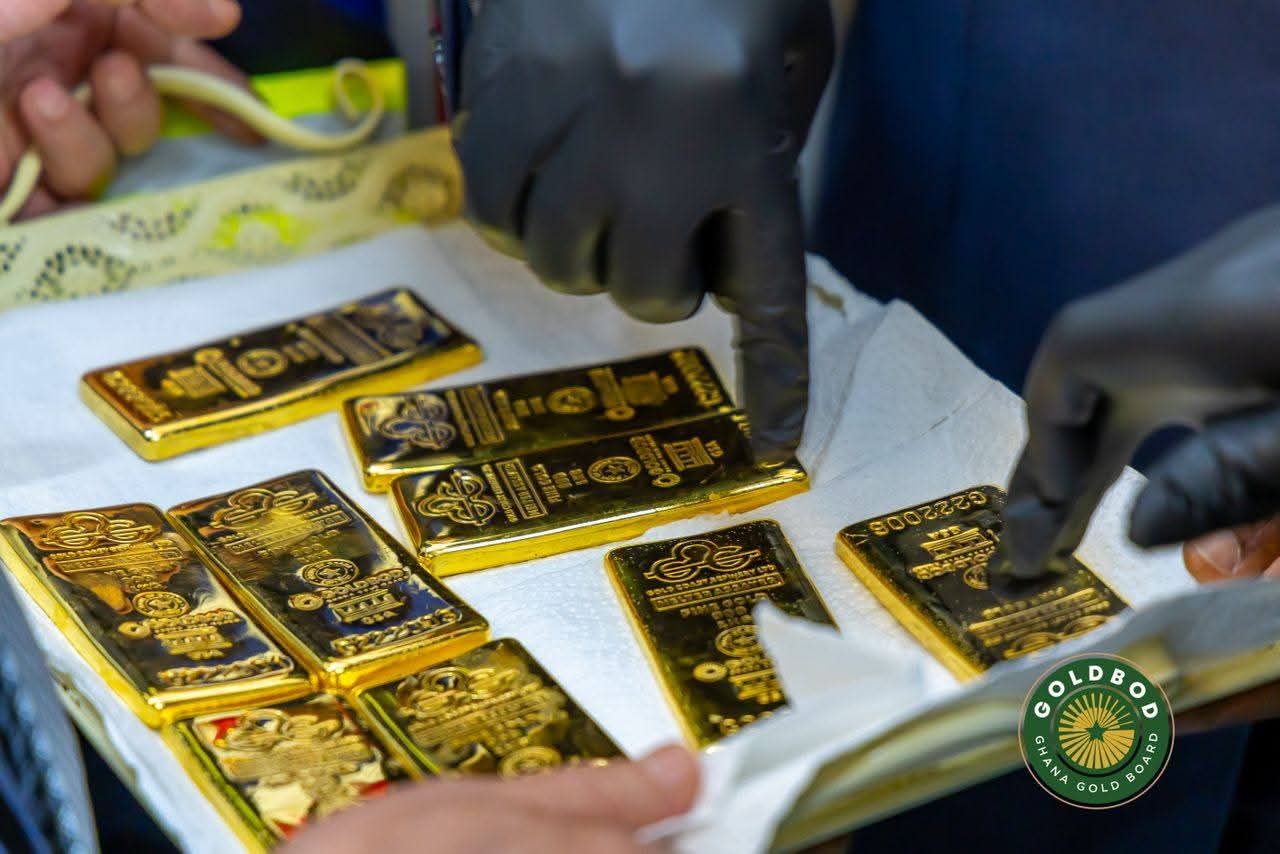
The supply contract, under which the Ghana Gold Board (Goldbod) is committed to furnish Gold Coast Refinery (GCR) with one tonne of gold ore for refining every week, commenced a week ago on Sunday February 1 marking a key step towards the country’s ambition of refining all its gold, both artisanal and industrial scale, locally before export to maximize the value it gets from the precious metal at a time its price on the global market has shot up to an all-time high of around US$5,000 an ounce.
It is now widely envisaged that the Government of Ghana may eventually ban all refining outside the country’s borders once Gold Coast Refinery obtains London Bullion Market Association (LBMA) certification, even for gold from industrial mines although this would require significant expansion of GCR’s refining capacity, which its owners claim they are willing to carry out.
Indeed, Africa Intelligence, a specialized news portal, has speculated that this is why South Africa’s Rand Refinery, the biggest gold refinery in Africa, is reluctant to execute the partnership agreement it signed with GCR in January after 10 years of negotiation.
GCR, whose majority shareholder is Egypt’s Euroget Group with the Ghanaian government owning 15% of the shares, currently has a refining capacity of 80 tonnes of gold per year. GCR signed its supply contract with Goldbod, which has a monopoly on the marketing of gold from artisanal mines in the country, on January 20.
Between its creation in April 2025 and the end of last year, GoldBod managed to collect and sell 100 tonnes of artisanal gold, generating, according to the company, more than US$10 billion in revenue, mainly from buyers in Gulf countries. Local refining would save on refining taxes in third countries on more than half of these exports and prevent tampering with the purity of the ore.
Ghana’s impending vision to refine all its gold locally through GCR would however, be a loss for Rand Refinery and its shareholders, who include South African multinational giant AngloGold Ashanti a long standing player in Ghana which owns 42% of the refinery – as well as several other mining groups operating in the country, including South Africa’s Gold Fields.
Ironically, Rand Refinery entered into a partnership to enable GCR as the country’s main refinery, founded in Accra in 2016, to obtain certification from the LBMA which is essential for selling refined gold to institutional and Western buyers in the first place; but now realizes the looming accreditation may deprive it of the ability to refine gold produced by its shareholders and other customers in Ghana.
For instance, it is instructive that AngloGold Ashanti, in 2022, processed 29.1 tonnes, or nearly 15% of the ore refined annually at Rand Refinery’s Germiston plant.
Under the agreement signed between the two, Rand Refinery’s technical support for GCR should be provided through a joint venture. Instructively however, neither the name of this new company nor the distribution of its capital have been specified. A number of details regarding the collaboration still need to be negotiated between the South Africans and the Ghanaians.
Rand Refinery has already been adversely affected by the departure of several customers, including Gold Fields, which, despite being a very minority shareholder in Rand Refinery (2.76% of shares), has been refining its Ghanaian gold in Switzerland since 2021, at Geneva-based MKS PAMP. When asked by Africa Intelligence about the reasons for this change, Gold Fields explained that the “financial terms offered” by the Swiss refiner are “much better” than those offered by its South African competitors.
