
By Adnan Adams Mohammed
In a major step toward strengthening sub-regional security and advancing West African integration, the Ecowas Commission has convened a high-level media sensitization workshop in Accra.
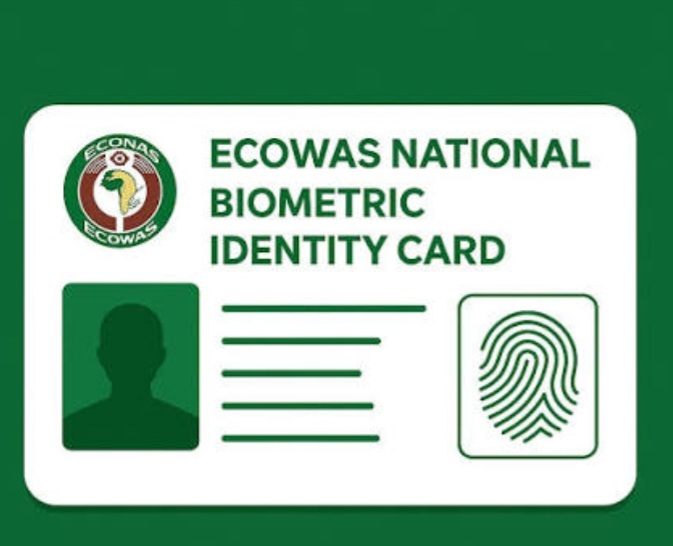
The initiative aims to equip journalists and media practitioners with the necessary insights to report accurately on the implementation of the Ecowas National Biometric Identity Card (Enbic).
By building a strategic network of media partners, regional authorities hope to foster public trust, raise widespread awareness, and combat deep-seated misinformation surrounding the initiative across member states.
Driving Free Movement and Regional Security
The introduction of the Enbic stands as a core priority originally agreed upon by the Authority of Heads of State and Government during the 46th Ecowas Ordinary Summit. Designed to serve as an official travel document, the biometric card is engineered to promote regional integration and fully facilitate the Protocol on the Free Movement of Persons.
Speaking at the opening of the session, a representative from the Ecowas Directorate of Free Movement of Persons, Migration and Tourism emphasized that the card bridges the gap between regional security and economic fluidness.
“The Enbic framework is not merely an identification tool; it is a transformative regional asset. By deploying robust biometric identity standards, we are positioning the sub-region to effectively mitigate irregular migration, tackle sophisticated trans-border crimes, and enhance the overall interoperability of our identity management systems,” Albert Siaw Boateng stated.
Beyond enhancing economic and social mobility for citizens, technical experts noted that the identity management system will ensure greater data integrity at all border checkpoints.
The Crucial Role of Journalism in Public Trust
Recognizing that public acceptance hinges entirely on transparent, timely, and accurate information, the Ecowas Commission has mandated targeted advocacy initiatives to demystify the roll-out process.
A senior official from the Media Foundation for West Africa (MFWA) reminded participating journalists from print, broadcast, and digital platforms of their unique ethical responsibilities during this transition.
“The media serves as the ultimate bridge between policy architects and the populace. If the citizens do not understand the security safeguards, privacy controls, and data protection measures embedded within the Enbic, skepticism will thrive. Our role is to dissect the technicalities, address sensitive public concerns, and report with the clarity that drives conscious regional adoption,” the MFWA manager, Dr Kojo Impraim noted while facilitating a session.
Technical Roadmap and Collaborative Implementation
The comprehensive workshop featured direct technical presentations and interactive strategy sessions designed to map out implementation timelines and institutional responsibilities.
During the presentations, officials from the Ghana Immigration Service (GIS) provided a detailed breakdown of internal processes, detailing how the issuance, control, and application procedures will be securely managed within Ghana’s borders.
“Operational success depends heavily on joint border management synergy and clear communication. This forum provides us with an invaluable platform to lay bare the institutional roles and operational safeguards that protect the identity ecosystem, ensuring that both immigration officers and travelers experience a secure, seamless transition,” GIS technical expert, Deputy Commissioner, Justice Amevor remarked during the afternoon plenary.
The session concluded with an open forum where media professionals voiced anticipated challenges, data protection gaps, and communication bottlenecks. The discussions culminated in a joint list of strategic recommendations aimed at forging a lasting partnership between implementing state agencies and West African media houses to guarantee a smooth rollout of the biometric card across the sub-region.
