

By Adnan Adams Mohammed
Rising global energy prices and a decline in foreign reserves are threatening to test Ghana’s economic momentum as central bank officials gather to review interest rates this week.
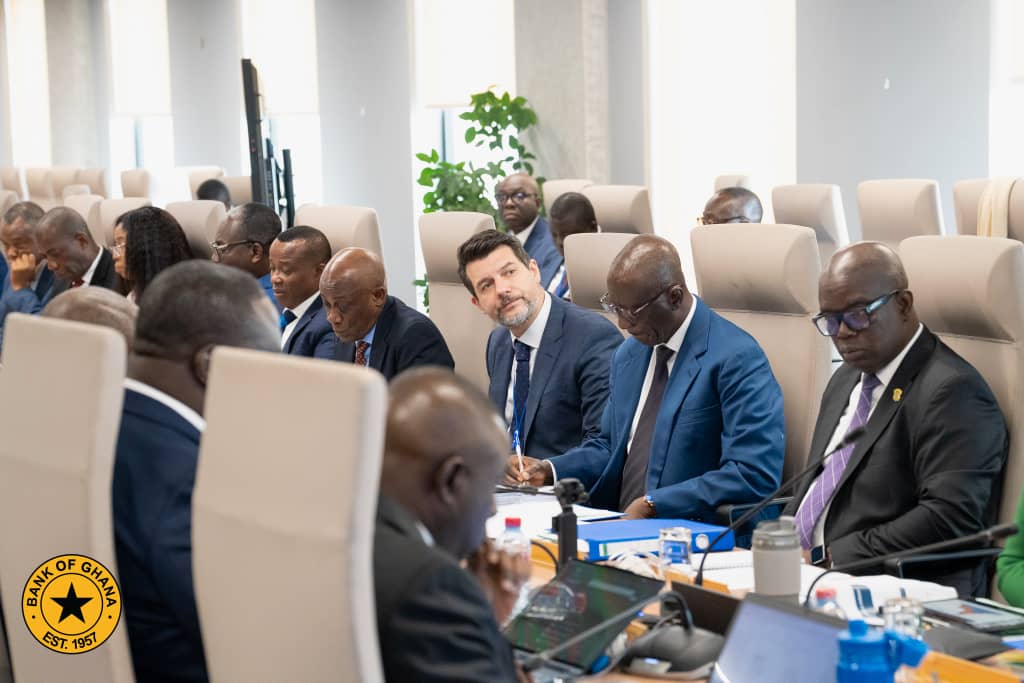
The Monetary Policy Committee (MPC) opened its 132nd meeting on Wednesday amid mounting external pressures. While domestic growth remains strong, the central bank faces a delicate balancing act to protect recovery gains following the conclusion of its IMF Extended Credit Facility (ECF) and the launch of the new Policy Coordination Instrument (PCI).
Bank of Ghana Governor Dr. Johnson Pandit Asiama warned that escalating geopolitical tensions in the Middle East have driven Brent crude to approximately US$107 per barrel, creating direct headwinds for the domestic market.

“For Ghana, the global shock is double-edged,” Dr. Asiama stated during his opening address. “Higher gold prices provide support for export earnings, reserve accumulation, and government revenue, while higher energy and fertiliser import costs could feed through quickly to transport, production costs, and consumer prices.”
Reserves Slipping Amid Strong Domestic Output
The domestic economy expanded by 6.0 percent in the second quarter, led by services and ICT, while inflation stood at 5.0 percent in August. However, gross international reserves fell to US$11.07 billion (4.2 months of import cover) following a pause in gold exports by GoldBod and higher service payments.
The dip in buffers comes right before an anticipated surge in foreign exchange demand in the fourth quarter.
“Rebuilding net foreign assets must therefore remain the priority heading into the fourth quarter,” Dr. Asiama noted, pointing to the risk of rising domestic spending and upcoming external debt obligations.
Rate Decision Pending
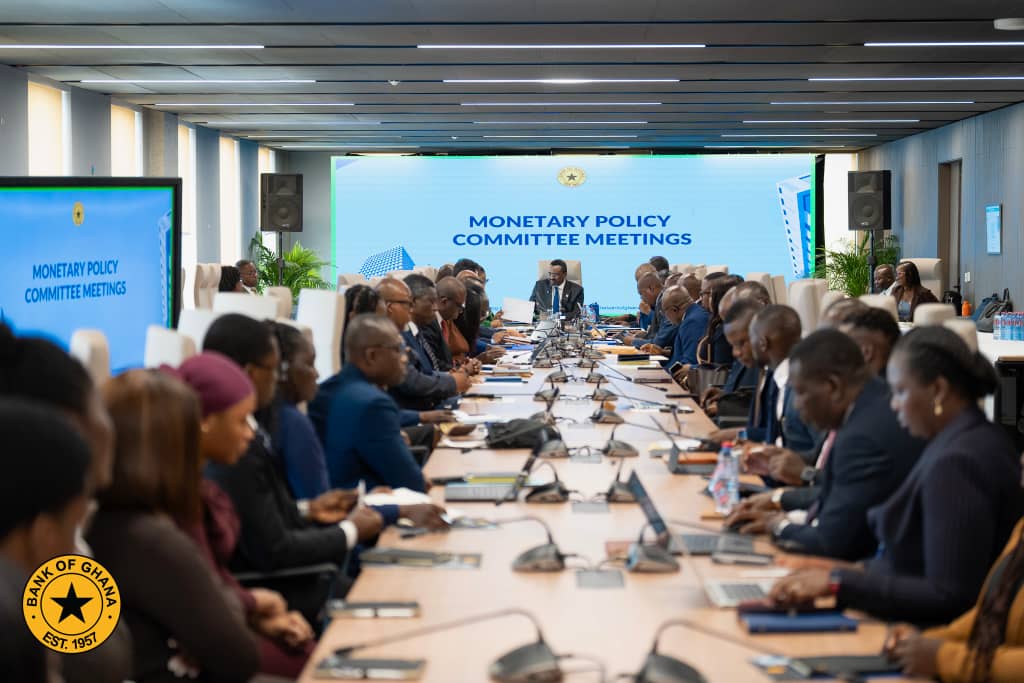
The committee is currently assessing whether to hold the benchmark Monetary Policy Rate at 14.0 percent where it was maintained in July or adjust it to counter rising costs. Headline inflation has risen continuously from its March low of 3.2 percent.
“The question before us, as it was in July, is whether the current policy rate of 14 percent remains the appropriate anchor for inflation expectations given this balance of forces,” Dr. Asiama said.
The MPC will announce its final decision at the end of its multi-day sessions.
