
By Adnan Adams Mohammed
An artificial intelligence platform deployed across Ghana’s ports has generated more than $300 million in additional revenue over three months, reflecting the impact of technology-led compliance measures at the Ghana Revenue Authority (GRA).
Presenting the 2026 Mid-Year Fiscal Policy Review in Parliament, Finance Minister Dr. Cassiel Ato Forson explained that the Publican AI platform introduced by the Customs Division in March 2026 has significantly curbed trade misinvoicing and manual valuation loopholes.
The automated verification system has driven a 17.5% increase in assessed import values, delivering a 17% rise in monthly customs revenue without adding new levies or increasing import volumes.
Closing Leakages Without Raising Taxes
Delivering the mid-year budget statement, Dr. Forson highlighted that technology-driven compliance tools have proven far more effective at boosting state coffers than hiking tax rates on businesses and citizens.
“Since the introduction of these AI-powered customs reforms, monthly Customs revenue has increased by approximately 17 percent, reflecting stronger compliance, more effective enforcement, and significantly reduced leakages,” Dr. Forson told Parliament.
The Finance Minister emphasized that the revenue growth was achieved alongside broad fiscal relief measures, including the abolition of several levies.
“The results have been remarkable,” Dr. Forson stated. “Despite abolishing multiple taxes and introducing no new tax handles, non-oil tax revenue increased by 0.5 percent of GDP from 12.6 percent of GDP in 2024 to 13.1 percent of GDP in 2025. Simply put, Government collected more revenue even after abolishing nuisance taxes.”
“The lesson is simple: better policy, stronger compliance, and smarter administration will always deliver more sustainable revenue than higher taxes.”
How Publican AI Transforms Port Operations
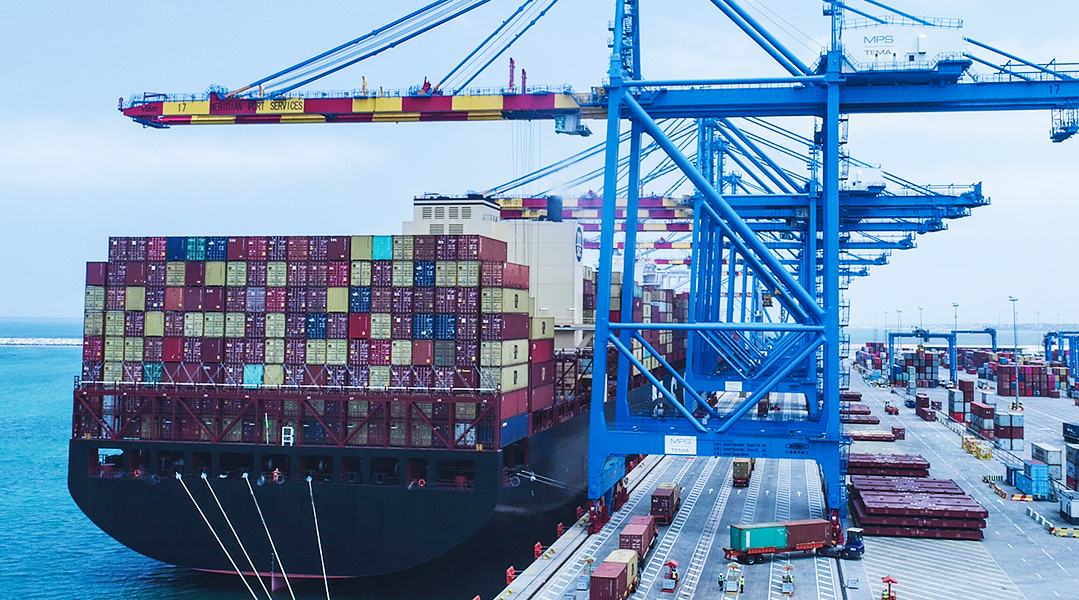
Before the deployment of AI-based verification, customs collections faced significant shortfalls caused by under-declaration of cargo, fraudulent misclassification using Harmonised System (HS) codes, and manual inspection bottlenecks at entry points such as Tema Port.
The Publican AI system addresses these vulnerabilities by cross-referencing global supply chain data, historical trade trends, and live market pricing to flag suspicious shipments automatically. High-risk containers are flagged for targeted inspection, while compliant consignments move rapidly through automated clearings.
To consolidate these gains, the Ministry of Finance has also recentralized the Customs Technical Services Bureau (CTSB) into a single-window valuation node and restricted the transit of sensitive goods via land borders to direct port processing.
Broader Macroeconomic Impact
The $300 million revenue uplift forms part of a wider macroeconomic recovery outlined in the 2026 mid-year review. Real GDP growth reached 6.0% in the first half of the year, outperforming the initial target of 4.8%, while inflation dropped to 5.3%.
Key drivers cited in the budget report included:
● Gross International Reserves: Reached five months of import cover, supported by $15 billion in foreign exchange inflows generated through the Ghana Gold Board (GoldBod) initiative.
● Debt Servicing Savings: Reduced interest payment overheads amounting to over GH¢15 billion due to exchange rate stabilization.
● Expenditure Control: Total first-half expenditure stood at GH¢143.7 billion (47.5% of the annual budget), keeping the overall fiscal deficit within target parameters.
Parliamentary leaders praised the port technology results, with the Majority side hailing the integration of AI as a turning point for domestic revenue mobilization and institutional transparency in Ghana’s trade ecosystem.
