
By Adnan Adams Mohammed
The global carnival of the 2026 FIFA World Cup, designed to celebrate unity across North America, has plunged into geopolitical and diplomatic chaos.
Strict immigration policies and high-handed border decisions by host nations Canada and the United States have left participating teams fractured, sparking furious protests from governments and demands for emergency intervention from world football’s governing body.
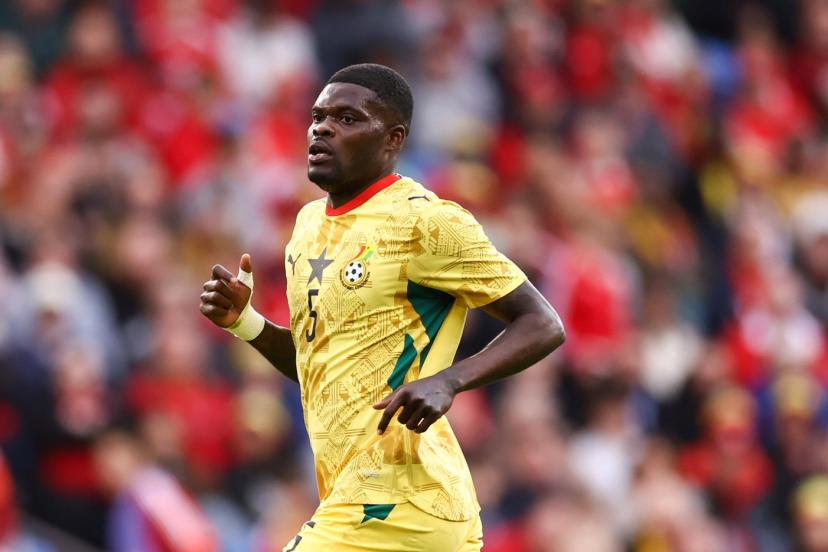
The brewing storm reached a boiling point this weekend as Ghana’s Ministry for Sports and Recreation launched a blistering attack on Canadian authorities, following the shock visa denial of Black Stars and Villarreal midfielder, Thomas Partey.
The 32-year-old midfield linchpin was barred from entering Canada for Ghana’s highly anticipated Group L opener against Panama on June 17 in Toronto. The decision was reportedly based on ongoing, unproven criminal allegations against the player in the United Kingdom charges which Partey has vehemently denied.
Ghana Lashes Out at “Flimsy” Canadian Stance
In a strongly-worded official statement, Ghana’s Ministry of Foreign Affairs and the Sports Ministry chided Canada for disregarding the fundamental legal tenets of sportsmanship and justice.
“The Government of the Republic of Ghana expresses strong reservations following the high-handed and extremely unfair decision by Canada,” the Foreign Ministry’s statement read. “While respecting Canada’s sovereign right to enforce its immigration laws, Ghana considers that reliance on unproven charges in the absence of a judicial determination raises fundamental questions of fairness and proportionality.”
Speaking on the matter, Ghana’s Minister for Sports and Recreation, Honourable Kofi Iddie Adams, revealed that diplomatic machinery had been triggered to aggressively challenge the travel ban, describing the host nation’s reasoning as entirely meritless.
“We got a decision that he had been denied entry to Canada on very flimsy reasons. I say flimsy because the person had already been charged. He has not been found guilty,” Minister Adams stated in a radio interview. “Through the appropriate channels, we have communicated to the rightful authorities and are requesting them to review the decision. I hope and pray that they do what they must do, and do it right.”
The Sports Ministry further demanded that FIFA take an active, protective role to insulate international sports from arbitrary immigration rulings, stating: “The 2026 FIFA World Cup is a celebration of global unity through sport. It is therefore important that all participating nations are afforded a fair opportunity to compete with their eligible players and officials.”
While Partey remains with the Black Stars squad at their temporary base in Boston, USA, and is legally cleared to play in subsequent group matches against England and Croatia on American soil, he remains grounded for the vital opener in Canada.
Iran Team Forced into Logistical Nightmare
The visa crisis is even more severe across the border in the United States, where geopolitical friction has turned the tournament into an operational labyrinth for the Iranian National Team.
Following intense legal and diplomatic appeals, Team Melli managed to claw back visas for just four essential support personnel including a video analyst and two international department officials. However, a staggering 11 key coaching and technical staff members remain completely banned from entering America.
The restrictions have effectively stripped the team of vital logistical support and forced the Football Federation Islamic Republic of Iran (FFIRI) to set up their training camp across the border in Mexico due to safety fears and visa uncertainties. In a bizarre compromise mandated by US Immigration, the Iranian squad will be forced to fly into Los Angeles and Seattle on match days and exit the country immediately after the final whistle blows.
To compound the team’s frustrations, US authorities abruptly confiscated and canceled World Cup group stage ticket allocations originally meant for Iranian fans traveling from abroad.
“Depriving Iranian supporters of access to their lawful and official allocation of tickets is an action contrary to the spirit governing international competitions and the principle of equality among participating countries,” the FFIRI declared in an official protest, adding that the action “raises questions about the interference of non-sporting considerations.”
FIFA Washes Its Hands
Despite the escalating fury from Accra to Tehran, FIFA has steadfastly refused to interfere in the sovereign border policies of the host nations, effectively turning a blind eye to the disruption of the squads.
The administrative logjam has also claimed neutral casualties. Highly regarded Somali referee Omar Artan voted Africa’s 2025 Referee of the Year was stopped by US Customs and Border Patrol upon landing in Miami and turned away, destroying his historic dream of becoming the first Somali to officiate a World Cup match.
Responding to the growing list of excluded players, staff, and officials, FIFA issued a terse clarification that left member associations feeling abandoned.
“FIFA is not involved in host country immigration processes, including visa adjudications,” the governing body noted in a public brief. “A host government ultimately determines who receives a visa and who is admitted into their country.”
With underfilled stands threatened by tourist travel bans and elite squads missing vital components, critics argue that the commercial and unifying promises of the 2026 World Cup are quickly being eclipsed by rigid border politics. For Ghana and Iran, the battle on the pitch has already begun long before the referee’s whistle has even blown.
