

MD of MyTurn and Lesken, Hannah Amoateng, among other invited guest seated for the maiden Upper East Regional Development forum
By Adnan Adams Mohammed
Prominent business captains, industry titans, and key patrons have taken their seats in Bolgatanga for the opening of the maiden Upper East Regional Development and Business Forum and Exhibition.
The highly anticipated gathering marks a historic milestone in efforts to unlock the economic potential of Ghana’s northern belt and attract vital investments to accelerate socio-economic development across the region.
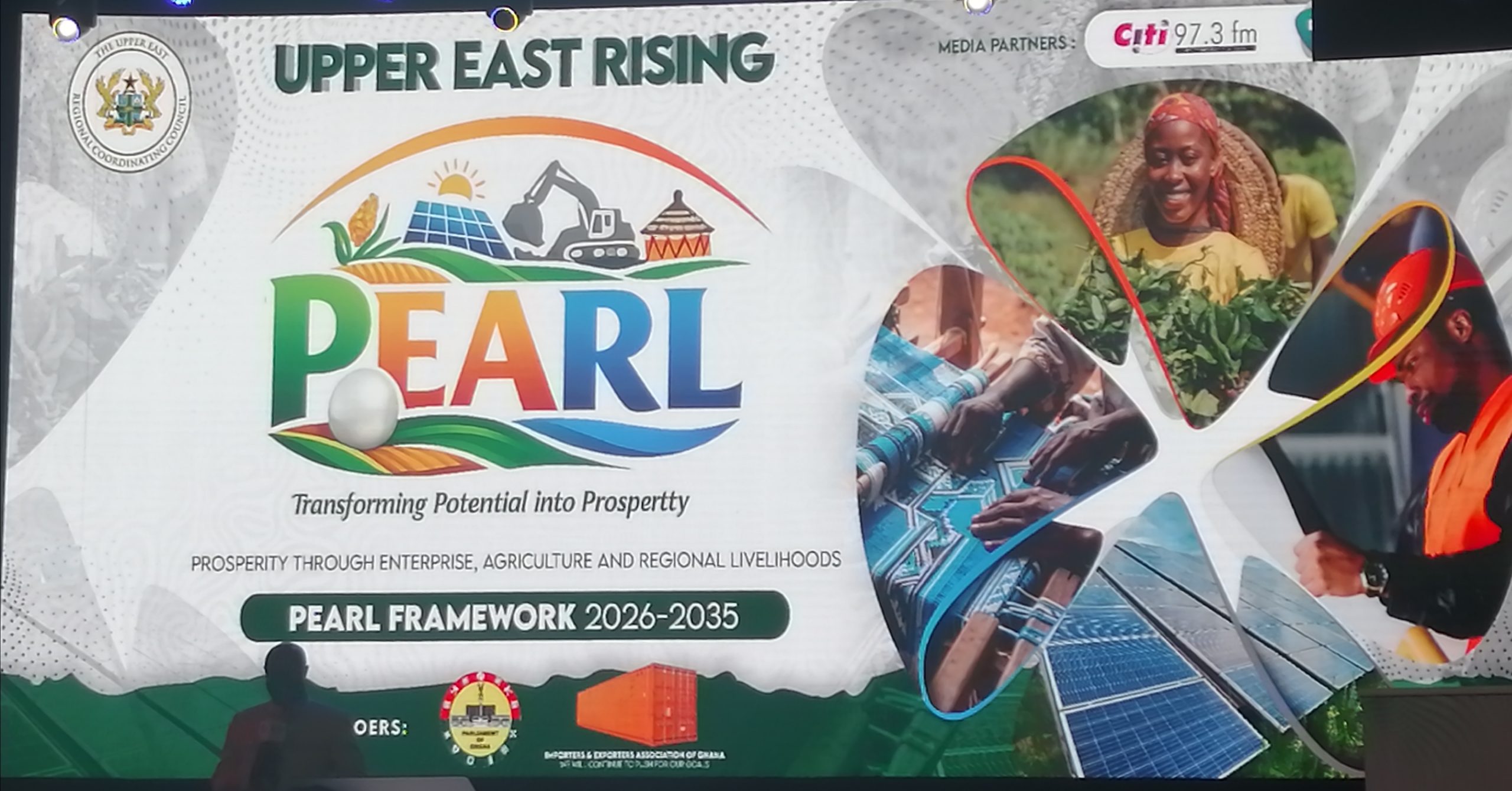
Addressing gathered dignitaries at the media briefing session, the Upper East Regional Minister, Akamugri Donatus Atanga, revealed that the three-day landmark event is being held under the theme, “Charting the Course for PEARL.” The forum commenced today, June 29, and is scheduled to run until July 1, 2026, at the Desert Pastures Church in Bolgatanga.
According to the Regional Minister, the forum is a strategic effort to rebrand and position the Upper East Region as a prime destination for sustainable investments. It will also serve as a crucial platform for direct dialogue between the government, private sector players, international development partners, and local entrepreneurs.
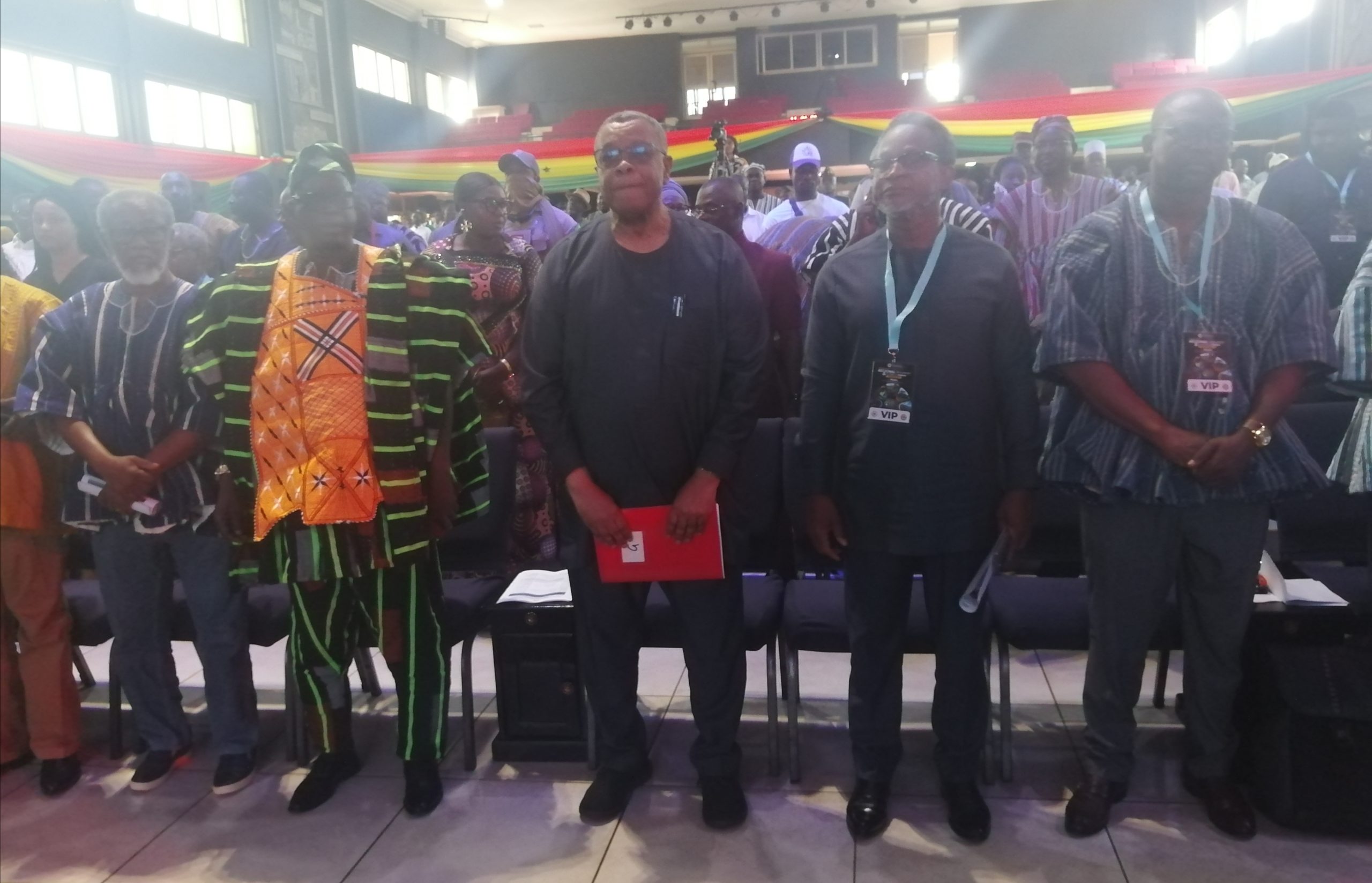
Representative of the Presidency, Regional Minister and other dignitaries
“The forum will provide a unique platform for stakeholders to explore investment opportunities, showcase the region’s economic potential, and develop practical strategies for accelerating growth and transformation,” Hon. Atanga stated.
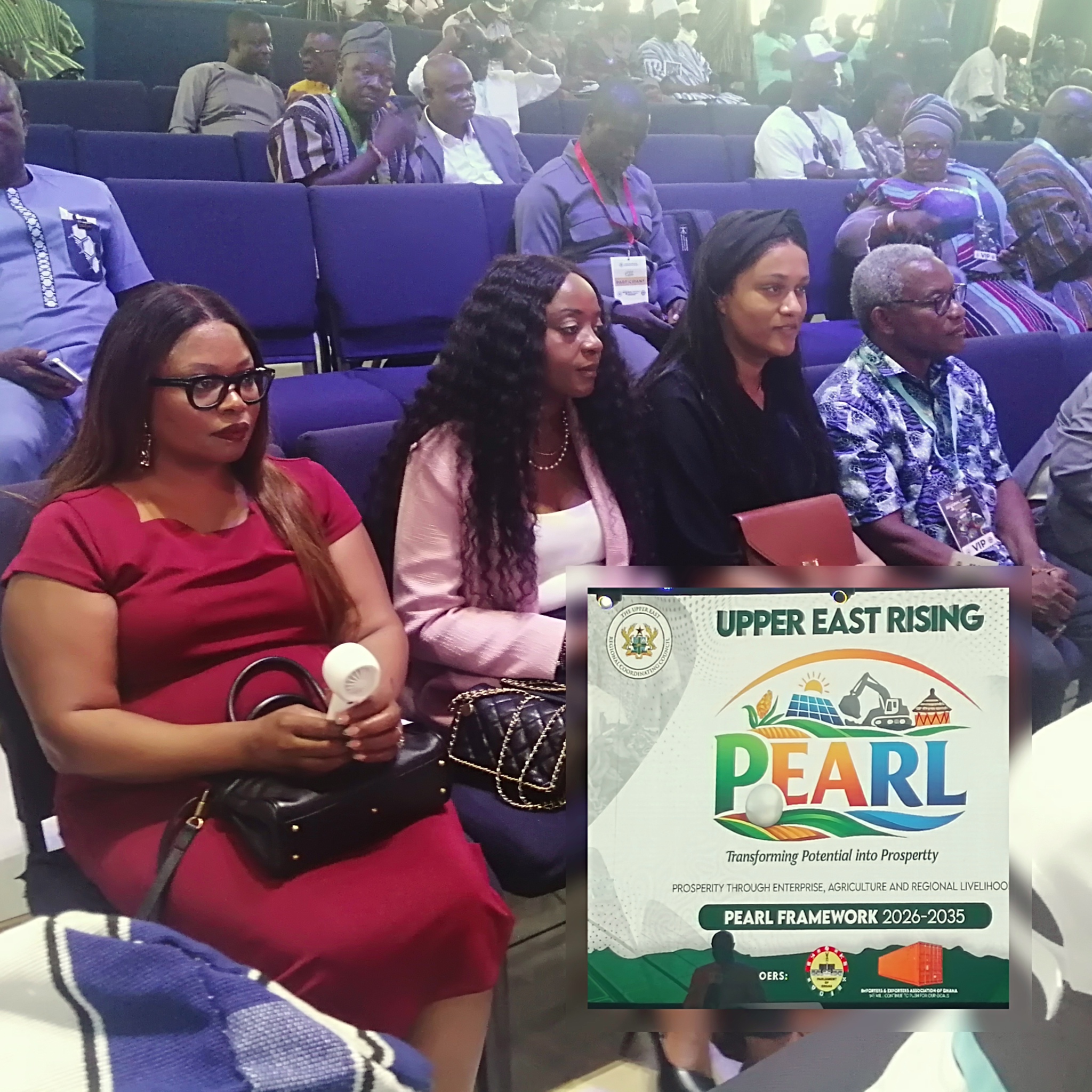
MD of MyTurn and Lesken, Hannah Amoateng among other invited guest seated for the maiden Upper East Development forum
He further emphasized that this initiative directly aligns with the government’s broader national agenda to foster inclusive economic development and reinforce local economies through robust private sector participation and strategic public-private partnerships.
Despite its vast economic prospects, the Minister noted that the Upper East Region holds significant, largely untapped opportunities in key sectors, including agriculture, tourism, mining, renewable energy, and commerce. He expressed optimism that the three-day event would act as a powerful catalyst for job creation, infrastructure upgrade, and holistic economic transformation.
The event has drawn a diverse gathering of key stakeholders, including policymakers, domestic and international investors, business executives, development partners, traditional authorities, academia, and members of the Ghanaian diaspora.
Over the three days, participants will engage in rigorous panel discussions, business-to-business (B2B) matchmaking sessions, investment presentations, and networking opportunities, alongside a massive exhibition showcasing local innovations, goods, and services.
