
By Adnan Adams Mohammed
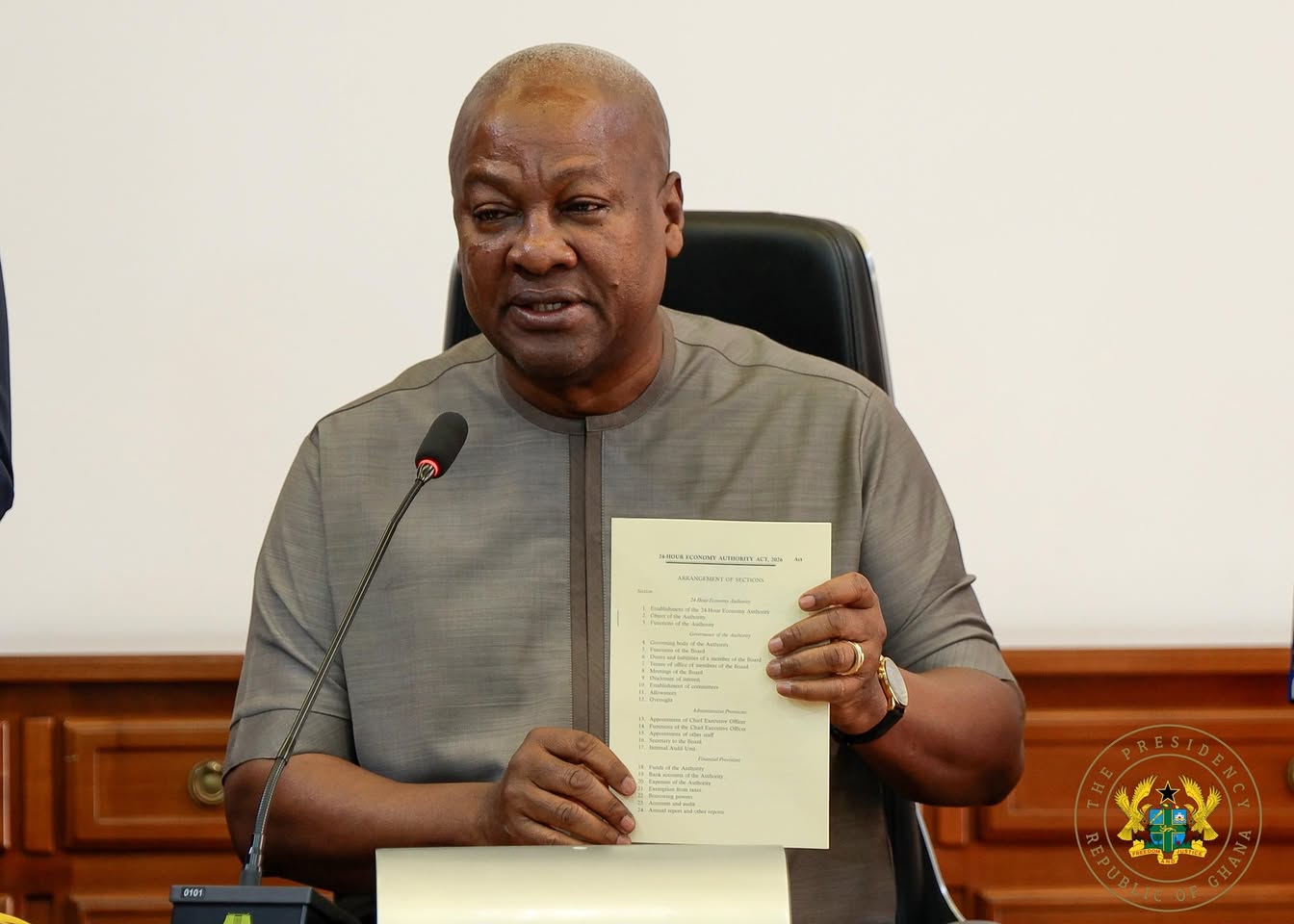
Parliament’s Majority Caucus is making a final push to secure presidential approval for the Ghana Cocoa Board (COCOBOD) Amendment Bill, urging President John Dramani Mahama to sign the reform into law despite mounting resistance from the opposition New Patriotic Party (NPP).
The legislative battle centers on a critical economic baseline for Ghana’s agricultural backbone: a legally binding guarantee that COCOBOD must pay cocoa farmers no less than 70% of the world market price obtained by the Board.
With the new cocoa season fast approaching, the Majority argues that any pause in enacting the law directly harms farmer livelihoods.
Clashing Visions Over Agriculture Reform
While the legislation passed under a certificate of urgency, the Minority Caucus has petitioned the President to refuse assent and remit the bill back to the House. Opposition members argue that rushing the law through bypassed essential consultations with key industry actors and broader agricultural stakeholders.
However, key parliamentary leaders involved in drafting the bill have rejected those concerns as mere political delay tactics.
In an interview with Citi News, Kwami Dzudzorli Gakpey, Vice Chairman of Parliament’s Food, Agriculture and Cocoa Affairs Committee and MP for Keta, fired back at the opposition’s claims.
“Even in other jurisdictions, if you plant a tree and want to cut it, you seek permission or authorisation from the environmental agencies before you uproot or cut the tree. Is that not so? They are just doing cheap propaganda,” Gakpey stated.
A Critical Window for Farmers
With global cocoa markets fluctuating and harvest preparations underway, the Majority insists that time is of the essence. Supporters argue that the 70% threshold provides a crucial safety net that shields rural communities from global economic turbulence.
Highlighting the tight deadline facing lawmakers and the executive branch, Mr. Gakpey pressed the President to prioritize the bill’s final sign-off.
“I will urge the President, as a matter of urgency, to sign the Bill into law, and then we move on because the season is just coming. That is why we took the Bill under a certificate of urgency to satisfy the need,” he noted.
A Waiting Game at the Presidency
The presidential decision now represents a pivotal juncture for Ghana’s cocoa sector. On one side, the Majority frames the bill as an immediate imperative for economic justice and income stability. On the other, the Minority demands a step back for further consensus-building.
As both political factions hold their ground, the final decision sits firmly in the hands of President Mahama, whose signature or lack thereof will set the financial rules for the country’s most vital cash crop heading into the new season.
