
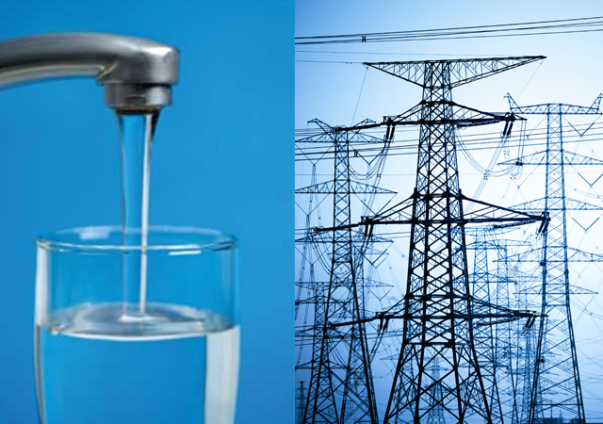
The Public Utilities Regulatory Commission (PURC) has indicated that new utility tariffs will take effect in January next year, following a stakeholder consultation and public hearing to guide the final decision.
Executive Secretary of PURC, Dr. Shafic Suleman, said the adjustment process is aimed at striking a balance between protecting consumers from excessive charges and enabling utility providers to sustain and improve their operations.
“Our objective is to ensure that consumers are not overburdened with high tariffs while at the same time allowing utility providers to invest in keeping the lights on,” Dr. Suleman stated.
He underscored the commission’s commitment to shielding vulnerable groups, noting that the lifeline tariff system remains in place to guarantee affordable access to essential utilities for the poorest households.
Dr. Suleman assured that views gathered during the stakeholder consultations and public hearings would play a significant role in shaping the final tariff levels.
He acknowledged the challenges of regulating the sector, pointing out that the task requires balancing the needs of consumers with the financial sustainability of service providers.
“Keeping the lights on is complex and expensive,” he said, “but we are working to ensure that investments in utility infrastructure can continue without passing undue hardship onto consumers.”
This follows the Commission’s nationwide public hearing on proposals submitted by utility companies as part of the 2025-2029 Multi-Year Tariff Review. The Commission met with the Trade Union Congress (TUC) to discuss the proposals and gather feedback from stakeholders.
PURC Seeks to Promote Transparency and Accountability
The Executive Secretary of PURC, Dr. Shafic Suleman, stated that the public hearings aim to enhance the relationship between utilities and consumers, promote transparency, inclusiveness, and accountability in the tariff-setting process. “The goal of creating this platform is to promote transparency, inclusiveness, and accountability in tariff setting, while ensuring that the Commission’s decisions strike a balance between economic realities and social considerations,” he added.
TUC’s Role in Shaping Utility Tariffs
Dr. Shafic acknowledged the crucial role of TUC in defending the interests of workers and households. “The TUC has historically been the vanguard of social justice, defending not only wages and employment but also the purchasing power and dignity of the Ghanaian worker,” he said. “Your perspective ensures that the Commission’s decisions are grounded in real economic and labour conditions.”
Key Issues Discussed
The meeting discussed several key issues, including: The impact of tariff adjustments on workers and households. The need for reliable and affordable power and water to support national policy initiatives such as the 24-Hour Economy. The importance of social equity, national stability, and the long-term welfare of the people in utility reforms
TUC’s Concerns and Recommendations
The Secretary General of TUC, Mr. Joshua Ansah, urged stakeholders to pay attention to the presentations from utility companies and make useful contributions. He also requested that the Government of Ghana take decisive action to address the pollution of water intake points by illegal miners, which would reduce the cost of operations for Ghana Water Limited and save workers from paying high water tariffs.
The public hearings, which began on Monday, September 8, 2025, in Accra, have already featured representation from Civil Society Organisations (CSOs) and the media. Utility companies, notably Electricity Company of Ghana (ECG), Enclave Power Company Limited, Volta River Authority (VRA), Northern Electricity Distribution Company Limited (NEDCo), Ghana Grid Company Limited (GRIDCo), Ghana National Gas Company Limited, and Ghana Water Company Limited, took their turn to present and defend their proposals.
Next Steps
The public hearings will continue in the coming weeks, with regional engagements to follow. The Commission will consider the feedback and input from stakeholders in its decision-making process.
The Public Utilities Regulatory Commission (PURC) is the regulatory body responsible for overseeing the electricity, water, and natural gas sectors in Ghana.
