
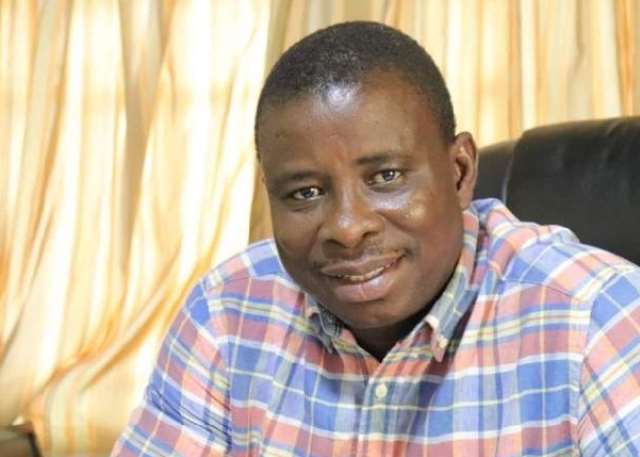
Story By: Felix Ernest Odamtten / Muhammed Faisal Mustapha
As torrential rains continue to trigger devastating floods across Ghana claiming lives, displacing families, and wiping out businesses the conversation around urban planning has taken a sharp, critical turn.
Mr. Kofi Anokye, Chief Executive Officer of Koans Estate, has boldly challenged the conventional narrative, asserting that the country’s recurring deluge is not an uncontrollable act of God, but a direct consequence of systemic human failure.
In an exclusive interview, the real estate mogul warned that seasonal flooding now poses one of the most severe threats to Ghana’s macroeconomic stability and urban growth.
The Price of Ignorance
According to Mr. Anokye, the crisis is fueled by a toxic mix of inadequate and poorly maintained drainage infrastructure, indiscriminate waste disposal, unchecked construction, and rampant encroachment on natural waterways.
“The floods we experience today are largely preventable,” Mr. Anokye stated bluntly. “When cities expand without proper planning and environmental responsibility, nature eventually responds. Flooding is the price society pays for ignoring sound development principles.”
This lack of foresight has severely bruised the real estate sector. Developers are watching infrastructure deteriorate overnight, homeowners are drowning in repair costs and plunging property values, and international investors are growing increasingly skittish about high-risk zones.
Laws Without Teeth
While Ghana does not lack statutory building regulations, Mr. Anokye pointed out that a systemic failure in institutional oversight has rendered these laws virtually useless on the ground.
THE CRITICAL FLOOD-PREVENTION CHECKLIST
1. Prohibit building in waterways entirely
2. Modernize and desilt drainage networks
3. Enforce uncompromising compliance on developers
4. Forge Public-Private Partnerships for infrastructure finance
He emphasized that building resilient drainage systems must become a non-negotiable prerequisite for any modern housing development to protect lives and secure long-term national investments.
“Regulations without enforcement cannot protect lives,” Anokye emphasized. “Every approved development must meet environmental standards, because one poorly planned project can expose an entire community to disaster.”
A Call for Radical Urban Reform
Mr. Anokye took an uncompromising stance on illegal structures built within flood-prone zones, demanding their immediate removal and an outright ban on future developments in these areas, arguing that no economic gain justifies risking human lives.
With the staggering capital required to re-engineer Ghana’s cities, he advocated for aggressive Public-Private Partnerships (PPPs) to inject foreign finance, advanced engineering technologies, and sustainable maintenance strategies into the nation’s drainage grid.
He also left prospective homebuyers with a stern warning to conduct rigorous due diligence checking flood histories and verifying land documents before parting with their hard-earned money.
“Our cities must be designed not only for today’s population but for future generations,” Anokye concluded. “Flood resilience is an investment in national development, economic stability, and the protection of human life.”
