
By Adnan Adams Mohammed
Small and Medium Enterprises (SMEs) form the undisputed bedrock of the Ghanaian economy, representing nearly 90 percent of all registered businesses, employing 80 percent of the workforce, and generating over 60 percent of the nation’s Gross Domestic Product (GDP). Yet, a dual crisis of “investment unreadiness” and acute information asymmetry continues to prevent thousands of these domestic enterprises from scaling.
At major industrial forums held across the capital, including the landmark 10th Beauty, Cosmetics & Wellness West Africa Expo (The Legacy Expo), business leaders, development economists, and trade experts delivered a unified message: Ghanaian enterprises do not simply suffer from a lack of available capital. Rather, they lack the structural systems to discover existing funding mechanisms, enter untapped international markets, and cultivate sustainable corporate brands.
Bridging the Capital Gap: It is an Information Crisis
The prevailing narrative within the private sector has long blamed restrictive collateral requirements and high commercial interest rates for stagnation. However, development finance experts argue that a massive disconnect exists between global funding providers and local business owners. Every year, international foundations, impact investment facilities, and challenge funds commit billions of dollars to African entrepreneurship, yet a vast portion of these funds remains entirely unutilized.
“The conversation around SME financing often focuses on the shortage of capital,” noted Joevas Asare, an Oxford-trained economist and development finance practitioner. “While this is a genuine concern, it overlooks another critical barrier that receives far less attention access to information.”
Mr. Asare explained that this structural imbalance creates severe information asymmetry across the economy, leaving highly viable businesses completely unaware of specialized concessionary loans or grant opportunities.
“For many entrepreneurs, the challenge is not a lack of ambition or viable business models,” Asare emphasized. “Rather, it is the significant amount of time and effort required to navigate a fragmented funding landscape. Business owners often spend weeks searching through websites and interpreting eligibility criteria, all while managing the day-to-day demands of running a company.” He urged policymakers and development partners to build unified, transparent digital directories to streamline the funding pipeline, stating, “Unlocking that potential is not simply a matter of increasing funding pools. It is also about ensuring that businesses can find, understand, and access the opportunities that already exist.”
The Multi-Market Horizon: Scaling Beyond Boundaries
Concurrently, local brands are being challenged to aggressively look past domestic borders to ensure long-term corporate survivability. At the opening of The Legacy Expo at the UPSA Auditorium, which drew over 300 major corporate exhibitors from South Korea, Dubai, Egypt, Turkey, Nigeria, and India, trade organizers stressed that market stagnation occurs when firms fail to innovate their consumer outreach and export strategies.
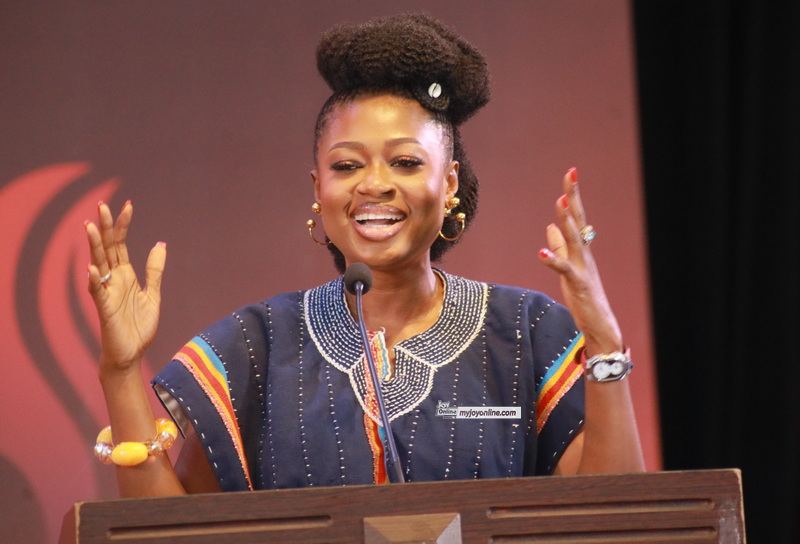
Addressing the assembly of international delegates and local entrepreneurs, the Organizer of the Expo, Rebecca Donkor, highlighted the event’s evolution into a major vehicle for cross-border trade and brand development.
“For ten years, we have created opportunities for businesses to showcase their products and services, discover new markets, attract customers, secure partnerships, and build sustainable brands,” Ms. Donkor stated.
She noted that through strategic global partnerships, the platform is actively working with the Ministry of Trade, Agribusiness and Industry to place indigenous West African operations at the forefront of the global lifestyle and cosmetics marketplace. “African beauty is not merely an industry, but a powerful economic force, a cultural asset, and a vehicle for job creation, trade, empowerment, and transformation,” Donkor added, urging small businesses to transition away from localized, informal operations and embrace globally connected commercial frameworks.
Professionalizing the Enterprise for Sustainable Growth
To successfully capture international markets and secure private equity, investment analysts maintain that Ghanaian SMEs must undergo an internal cultural shift toward institutional professionalization. Investors frequently cite poor corporate governance, disorganized record-keeping, and a lack of a unique product differentiator as the real barriers to capital deployment, rather than a lack of liquidity in the banking system.
Corporate advisory experts point out that many micro-enterprises operate strictly on cash systems, with essential financial margins stored entirely in the memories of the founders. Transitioning into a fundable entity requires engaging certified accounting services, establishing clear corporate structures, and formulating realistic growth projections.
By building resilient operational foundations, upgrading information flow, and designing distinct, environmentally conscious value propositions, Ghana’s entrepreneurial sector can effectively position itself to capitalize on global trade agreements like the African Continental Free Trade Area (AfCFTA), transforming localized operations into sustainable, multi-national African brands.
