
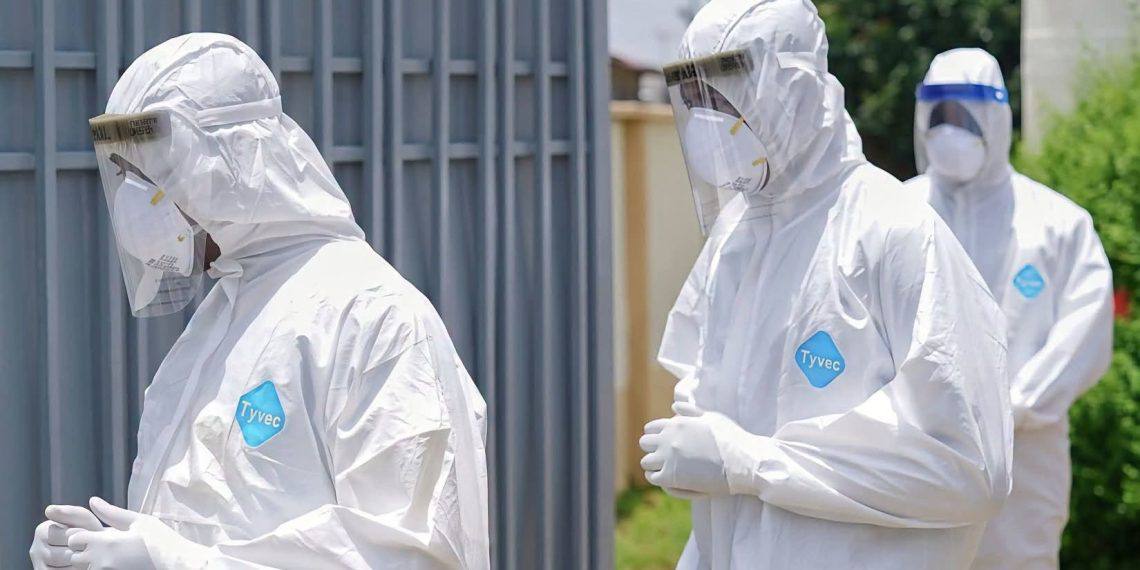
Health authorities in Ghana have placed the nation’s borders and health facilities on high alert, intensifying surveillance and emergency preparedness measures following newly reported cases of Ebola in Kenya and Nigeria.
The proactive measures come amidst an ongoing outbreak in the Democratic Republic of the Congo (DRC) and growing concerns over cross-border regional transmission via frequent air travel and trade links.
In an official public update, the Ministry of Health confirmed that Ghana has not recorded any positive cases of the Ebola virus. However, health officials are aggressively strengthening national capacity for early detection, swift isolation, and management to prevent any potential breach.
“Ghana has not recorded any Ebola case, but we are strengthening our capacity to prevent the virus from entering the country and to ensure the early detection, isolation, and effective management of suspected infections,” stated Tony Goodman, Public Relations Officer for the Ministry of Health.
Goodman explained that the geographical spread of the virus to Kenya and Nigeria significantly increases Ghana’s risk profile due to heavy transit volumes.
“The situation in Kenya poses a significant risk to Ghana because of direct flights between the two countries and higher passenger volumes than those from the DRC,” Goodman noted. “The confirmed case in Nigeria has also heightened concerns because of frequent travel between the two countries.”
Regional Outbreak Escalates
The heightened alert follows alarming regional health developments. Kenyan health authorities reported an imported case of Ebola caused by the Bundibugyo virus strain on October 6, 2026. Within less than two weeks, Kenya recorded six additional secondary cases, including infections among healthcare workers linked to the primary case.
Adding to regional anxiety, Nigerian health authorities confirmed an Ebola case in the Federal Capital Territory, Abuja, raising immediate alarm across West Africa.
Surveillance and Screening at Entry Points
To mitigate the risk, the Ministry of Health working alongside the Ghana Health Service (GHS), the Ghana Airports Company Limited, and the Ghana Civil Aviation Authority has rolled out comprehensive emergency protocols at all entry points, with a primary focus on Kotoka International Airport.
Robust measures are already active on the ground:
● Enhanced Port Screening: Airport officials and port health teams are enforcing strict thermal screening and health monitoring protocols for all incoming passengers.
● Passenger Tracking: Travellers arriving from high-risk countries will undergo continuous health tracking and mandatory monitoring throughout their 21-day stay in Ghana.
● Simulation Exercises: Health officials have conducted operational simulation drills at Kotoka International Airport and the Ghana Infectious Disease Centre to test system readiness and response times for handling suspected infections.
● Facility and Staff Readiness: Standard Operating Procedures across testing laboratories have been updated, while healthcare personnel are undergoing refresher sensitisation training on clinical management and personal protection.
Public Health Guidance and Calm Requested
Health authorities are urging the public to stay informed through legitimate channels while strictly maintaining basic hygiene protocols.
The Ministry reminded citizens that symptoms of Ebola Virus Disease typically manifest between 2 and 21 days after exposure (averaging 8 to 10 days). Early symptoms include sudden high fever, severe headache, muscle fatigue, sore throat, and chills, which can escalate to unexplained bleeding, vomiting, and confusion.
Officials reiterated that Ebola is not an airborne disease and spreads exclusively through direct contact with the blood, bodily fluids, or contaminated materials of an infected individual.
“Anyone who develops symptoms after travelling to an affected area or coming into contact with a suspected or confirmed case should seek prompt medical attention and disclose their full travel history to healthcare workers,” the Ministry advised. “The public is urged to practice good hand hygiene and avoid direct contact with anyone displaying unexplained fever, vomiting, or bleeding.”
Addressing public anxiety and the potential spread of panic, the Ministry appealed for calm and responsible communication:
“We caution against spreading unverified information on social media and urge the public to rely exclusively on official updates from health authorities. Government and partner agencies are taking all necessary steps to safeguard the population. We ask all citizens and travellers to cooperate fully with health officials at points of entry and care centers.”
