
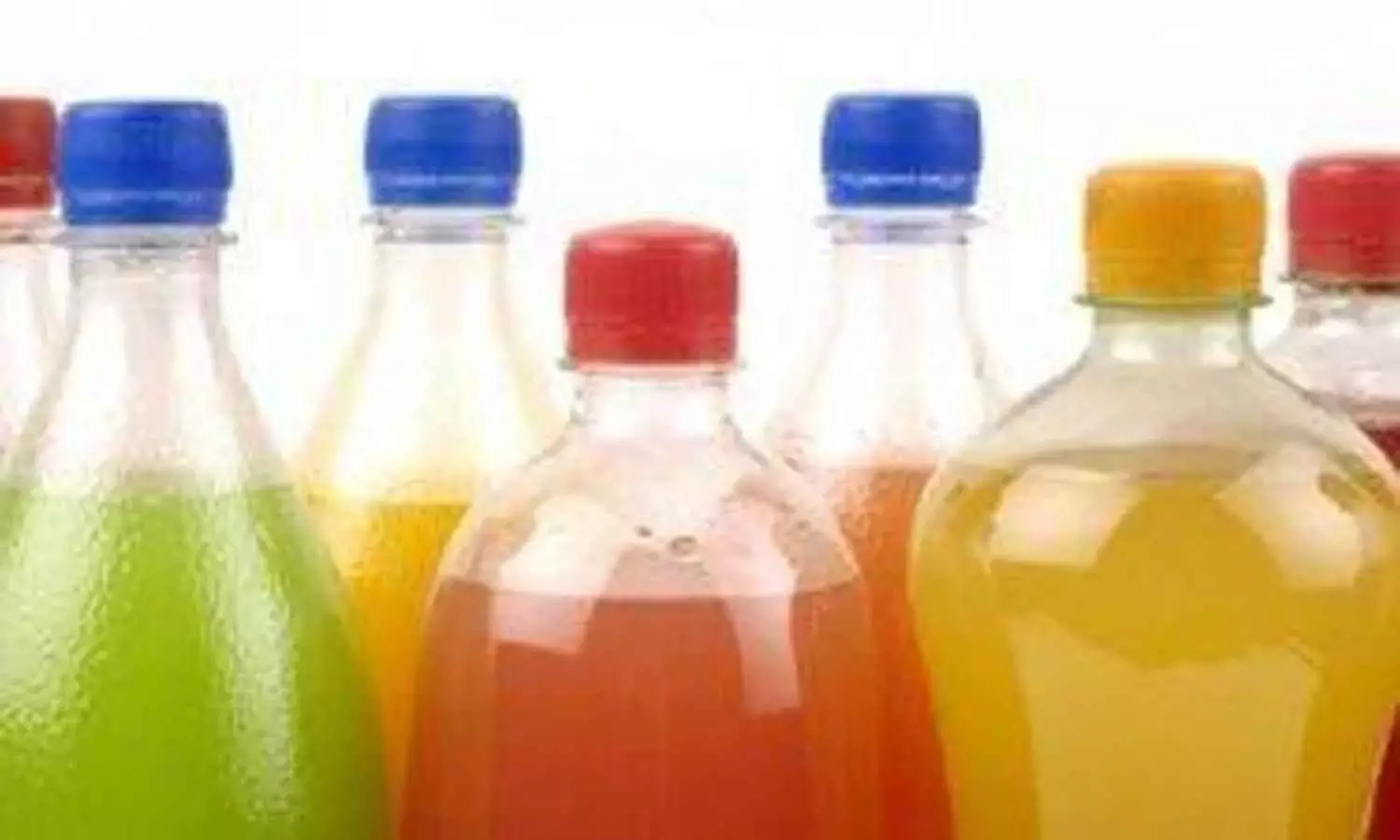
Ghana is losing more than US$600 million every year importing fruit juices, many of which are made from artificial concentrates, high sugar formulations, and low-nutrient blends that offer little or no fiber to consumers.
Industry data shows that in 2020 alone, Ghana spent over US$646 million on imported juice and beverage products, placing heavy pressure on foreign exchange reserves and contributing to the depreciation of the cedi.
Despite Ghana’s strong natural advantage in pineapple, citrus, mango, papaya, coconut, passion fruit, and other tropical crops, the country continues to import syrup-based and sugar-loaded beverages from Europe, South Africa, Asia, and the Middle East. Experts warn that this not only drains the economy, but also exposes consumers to non-healthy, fiberless, ultra-processed juice substitutes that do little to support national nutrition goals.
A Double Crisis: FX Loss and Health Concerns
Most imported fruit beverages sold in Ghana are:
Reconstituted from artificial concentrate
High in added sugars and sweeteners
Low or zero dietary fiber
Stripped of natural nutrients during processing
Sometimes flavoured rather than real fruit-based
Health advocates note that these beverages contribute to rising concerns about:
Childhood obesity
Diabetes
Diet-related non-communicable diseases
Poor nutritional outcomes despite high consumption
“Ghana is losing over half a billion dollars a year importing drinks that offer little nutritional value,” a nutrition analyst said. “Meanwhile our own natural fruits—rich in vitamins, enzymes, antioxidants, and fiber—are left unprocessed or wasted.”
Local Production Can Save FX and Promote Healthier Consumption
Agro-industrial experts argue that Ghana can save US$300–US$600 million annually by substituting imports with locally produced natural juices, teas, fruit beverages, and fermented drinks like tepache. Local production also allows:
Fresher, healthier beverages
Minimal sugar
High-fiber natural fruit content
Retention of micronutrients
Stronger consumer safety regulation
“Imported concentrates rarely match the nutritional quality of natural Ghanaian fruits,” an agro-processor explained. “By processing locally, we can control sugar levels, quality, and freshness.”
Massive Job Creation for the Youth
Developing the full fruit and beverage value chain could create 30,000 to 60,000 jobs across farming, processing, packaging, logistics, and export channels.
Opportunities include:
Youth-owned orchards
Outgrower networks
Aseptic and UHT factories
Tetra Pak and canning lines
Beverage innovation labs
Digital distribution platforms
This aligns with Ghana’s youth employment strategy and 24-hour economy vision.
Export Growth Under AfCFTA
With AfCFTA headquartered in Accra, Ghana is positioned to become West Africa’s leading hub for natural juice and fruit-based beverages, exporting to a 1.3 billion-person continental market.
Potential export earnings could reach US$150–US$250 million annually with consistent supply.
A Call for National Action
Stakeholders are urging government and investors to:
Scale fruit cultivation and irrigation
Finance modern factories
Support outgrower schemes
Prioritize natural beverages over artificial imports
Strengthen quality and nutritional regulations
Promote local brands in supermarkets and hotels
“This is a national opportunity,” a senior economist said. “We can replace unhealthy imports with healthier local products, save foreign exchange, create thousands of jobs, and build a stronger cedi.”
Conclusion
Ghana continues to lose over half a billion dollars every year on imported, sugar-loaded, low-fiber juice concentrates—while its natural fruit goes underutilized. With targeted investment in local production, Ghana can improve public health, retain FX, expand exports, and transform its fruit and beverage sector into a major economic pillar.
