
By Adnan Adams Mohammed
Ghana is leveraging its decades-long diplomatic partnership with China to drive industrial growth, academic research, and digital public governance as part of the government’s ambitious economic recovery programmes.
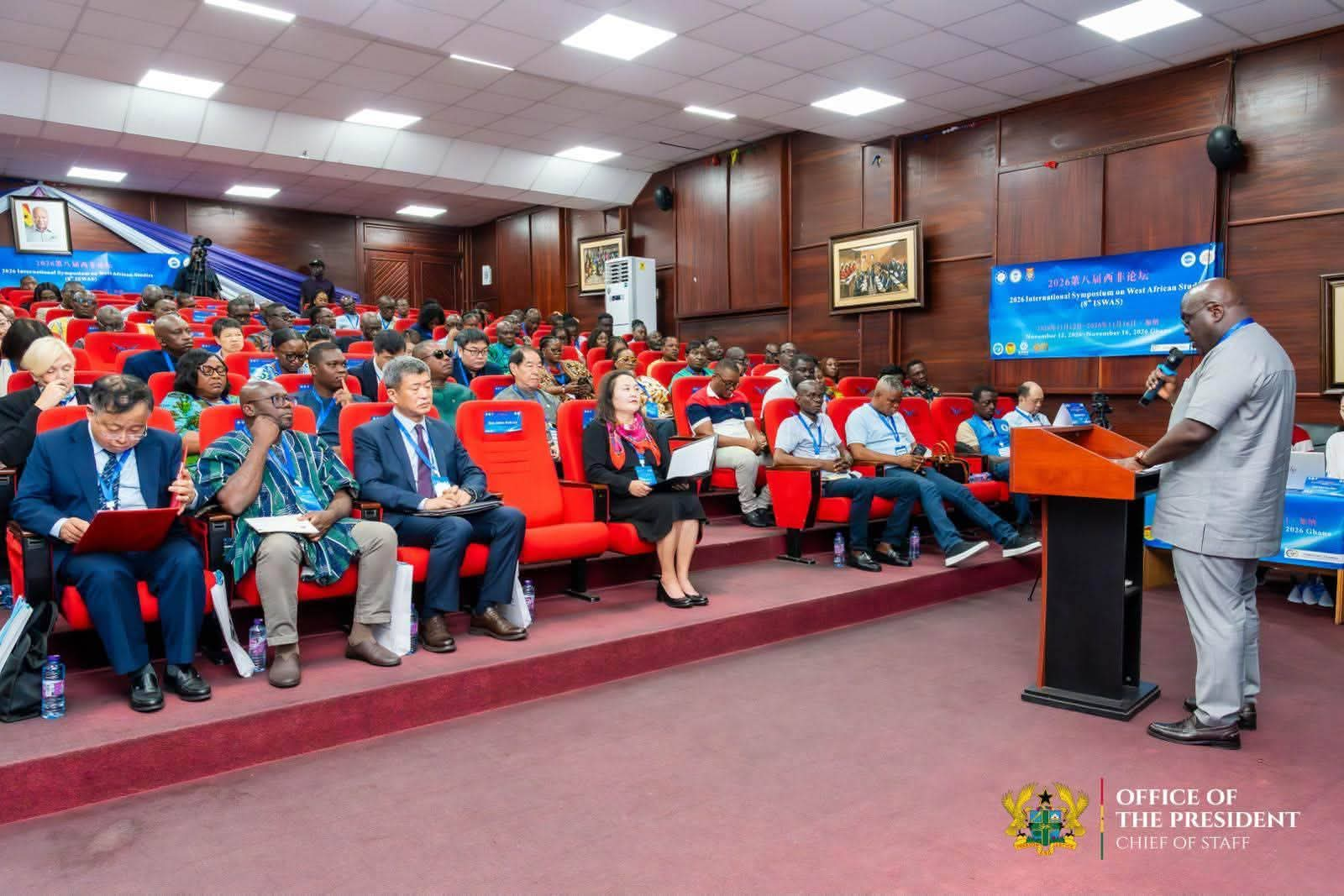
Speaking on behalf of President John Dramani Mahama at the 8th International Symposium on West African Studies (ISWAS) in Accra, Chief of Staff Dr. Julius Debrah outlined how strategic international collaborations will underpin key national initiatives, including the Resetting Ghana Agenda, the 24-Hour Economy, and the Big Push infrastructure programme.
The high-level forum brought together researchers, diplomats, and policymakers under the theme, “New Quality Productive Forces for West African Digital Governance Transformation and Sustainability.”
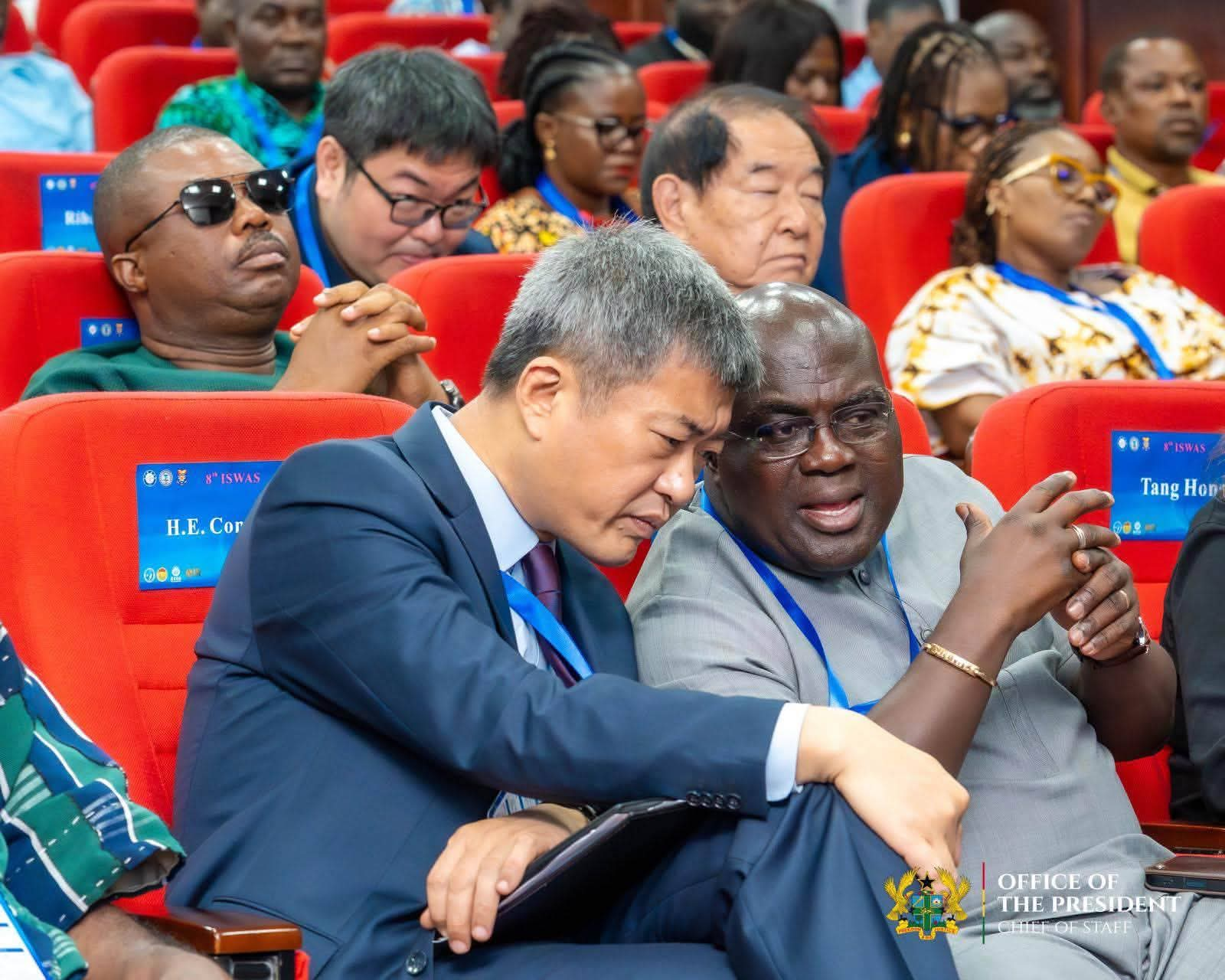
Dr. Debrah noted that while Ghana and China have enjoyed steady bilateral relations since 1960, the next phase of cooperation must focus heavily on knowledge sharing and domestic value creation. He identified universities as critical engines for strengthening Ghana-China ties in technology transfer and industrial development.
“As Ghana advances the Resetting Ghana Agenda, the 24-Hour Economy and the Big Push infrastructure programme, we welcome partnerships that promote local production, build institutional capacity, create decent jobs, and strengthen our technological capabilities,” Dr. Debrah told participants.
Pointing to concrete frameworks already taking shape, the Chief of Staff highlighted the establishment of the Centre for West African Studies for Digital Public Governance alongside the proposed China-Ghana Key Research Laboratory. He described both initiatives as vital springboards for deeper institutional and academic collaboration.
Beyond infrastructure and policy, Dr. Debrah cautioned against pursuing technological upgrades for their own sake, insisting that digital governance reforms must deliver practical benefits to ordinary citizens.
“Technology and innovation must ultimately serve a human purpose: improving lives, creating opportunities, and making public services more accessible and efficient,” he emphasised. “The true measure of digital transformation is not simply the technology we adopt, but the difference it makes in the everyday lives of our people.”
Expressing confidence in the symposium’s deliberations, Dr. Debrah urged participants to ensure their discussions move beyond theory into actionable projects.
“I look forward to the outcomes of this symposium and, more importantly, to practical collaborations that will translate the ideas shared here into lasting development,” he said, while thanking the organisers, Chinese partners, and academic community for convening the event.
