

By Adnan Adams Mohammed
Ghana’s cocoa industry is facing a major enforcement and structural shake-up under the newly proposed Ghana Cocoa Board Bill 2026, which shifts the country’s cocoa policy toward aggressive farm protection, tougher anti-smuggling powers, and strict price guarantees for farmers.
The new law replaces the Ghana Cocoa Board Act, 1984 (P.N.D.C.L. 81) and repeals redundant legacy statutes, including N.R.C.D. 265 and A.F.R.C.D. 47, to eliminate overlapping regulations that have burdened the industry since independence.
Moving beyond administrative updates, the passed bill grants cocoa inspectors police-equivalent powers of “entry, search, seizure and arrest” to crack down on unlicensed purchasing, quality non-compliance, tampering, and illegal bean smuggling.
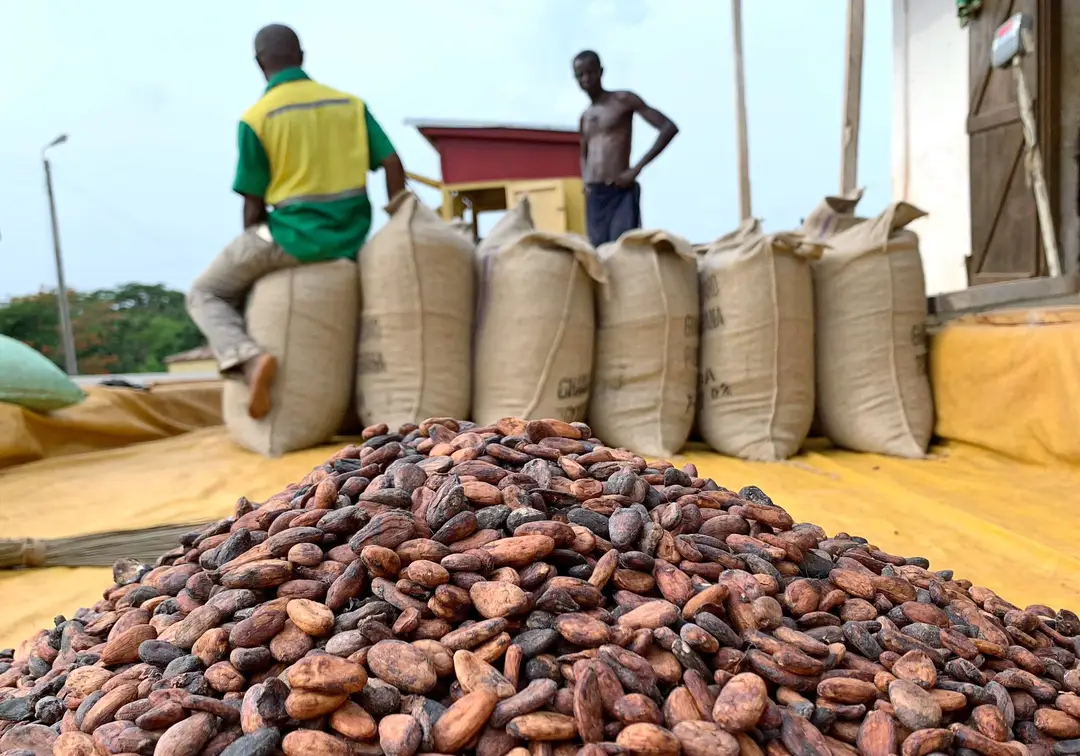
Presenting the rationale for fast-tracking the bill in Parliament, Majority Leader Mahama Ayariga highlighted the need to address long-standing operational and pricing challenges facing cocoa farmers.
”We are determined to bring an end to the problems of cocoa farmers, and we will do it by passing this law,” Ayariga declared on the floor of the House. “You can no longer delay the solution to the problem of cocoa farmers. Cocoa pricing and a robust system of price risk management are at the very heart of this crisis.”
According to the bill’s background documentation, the existing framework relied on a “patchwork of separate enactments” that created “overlaps, gaps and inconsistencies that hampered enforcement” while failing to keep pace with modern technologies, international traceability standards, and global price volatility.
Police Powers for Inspectors and Farm Protections
To combat environmental threats and illicit trade, the bill introduces tough enforcement mechanisms. The sector has suffered from “illegal mining (galamsey) on cocoa land, land degradation, cocoa swollen shoot virus, climate variability, and child labour concerns”.
Under the new law, cocoa farms are officially designated as “protected” areas, strictly limiting nearby extractive activities and establishing clear rules for compensating growers when trees are damaged.
Furthermore, cocoa inspectors will be armed with police-equivalent powers of entry, search, seizure, and arrest to suppress illegal smuggling, unlicensed buying, bean tampering, and quality non-compliance.

”The proposed funding model and legal statutory anchoring will broaden participation in the cocoa economy, safeguard domestic liquidity, and better protect farmer incomes against global price volatility,” noted COCOBOD Chief Executive Dr. Ransford Abbey during recent stakeholder discussions on the sector’s financial reform.
Economic Safety Nets and Local Value Addition
Beyond physical protection, the bill introduces reforms aimed directly at improving farmer livelihoods and boosting domestic processing:
Guaranteed Income: Establishes a formula-driven pricing model featuring “a floor guaranteeing farmers at least 70% of realised world market price”.
Social Security: Creates dedicated statutory bodies including the Cocoa Farmers Pension Scheme and the Educational Trust Scheme.
Support for Local Artisans: Eases “disproportionately high tonnage thresholds that previously shut out small-scale chocolatiers and processors” to foster local value addition.
Digital Tracking: Deploys a national Cocoa Management and Traceability System to handle farmer registration, digital payments, and international quality compliance.
Overhauling Governance and Oversight
Replacing a 40-year-old framework built on a “patchwork of separate enactments” that created “overlaps, gaps and inconsistencies,” the new law formalizes supervision under the Ministry of Finance. It also establishes a 12-member Board of Directors, a new Dispute Resolution Committee, and an appellate Cocoa Board Tribunal to ensure transparent governance across the value chain.
Key Statutory and Financial Highlights
The 2026 legislation introduces structural changes across pricing, governance, and social security:
Guaranteed Producer Price Floor: Establishes a formula-driven pricing model featuring “a floor guaranteeing farmers at least 70% of realised world market price”.
New Statutory Funds: Creates dedicated accounts, including the Cocoa Farmers Pension Scheme, Educational Trust Scheme, Cocoa Sector Legacy Debt Sinking Fund, and the Cocoa Stabilisation and Diversification Fund.
Risk & Hedging Framework: Installs a formal Cocoa Price Risk and Hedging Policy managed by a specialized committee to buffer against global commodity shocks.
Support for Local Processing: Eases high tonnage thresholds that previously excluded small-scale chocolatiers, setting progressive targets for domestic cocoa bean processing.
Formal Governance Charter: Introduces a 12-member Board of Directors (including farmer and staff representatives), confines COCOBOD strictly to core cocoa functions, and formalizes oversight under the Ministry of Finance.
Digitalization and Stakeholder Engagement
To align with modern international due-diligence standards, the bill establishes a national Cocoa Management and Traceability System covering farmer registration, digital payments, and quality assurance.
It also creates a non-binding Cocoa Sector Forum to bring together farmers, licensed buying companies, processors, and civil society groups, alongside an appellate Cocoa Board Tribunal and Dispute Resolution Committee to handle industry grievances transparently.
