
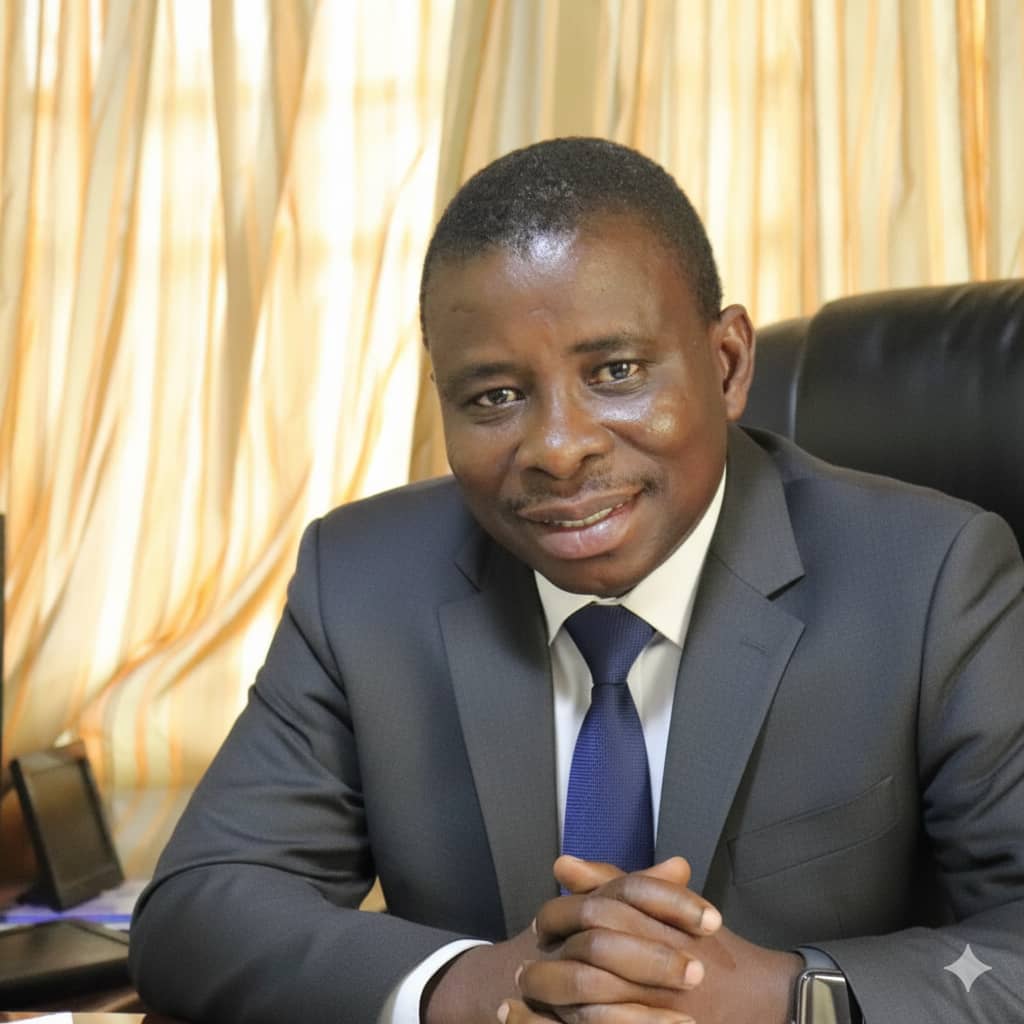
Story By: Felix Ernest Odamtten & Muhammed Faisal Mustapha.
Ghana’s recurring floods and mounting sanitation crisis have reignited a national conversation on the effectiveness of local governance, with environmental specialist and Chief Executive Officer of Koans Estate, Prof. Kofi Anokye, urging the Government to fundamentally rethink the country’s sanitation management structure.
He argues that empowering Metropolitan, Municipal and District Chief Executives (MMDCEs) with greater authority could transform environmental governance and significantly reduce the devastating impact of annual flooding.
Prof. Anokye believes Ghana’s highly centralised sanitation system has outlived its usefulness, leaving Metropolitan, Municipal and District Assemblies (MMDAs) with responsibility but without the authority required to solve pressing environmental challenges. While local authorities remain the first point of contact for residents, critical decisions on sanitation funding, procurement and contractor supervision continue to be controlled from the national level.
According to him, this disconnect has created an accountability gap that undermines service delivery and slows timely interventions. Communities continue to grapple with overflowing drains, indiscriminate waste disposal and deteriorating environmental conditions, while local authorities often lack the powers needed to act decisively.
He stressed that assemblies possess an intimate understanding of the environmental realities within their jurisdictions and are therefore best positioned to oversee sanitation operations. Giving them direct control over sanitation management, he said, would result in faster responses, stronger oversight and more efficient service delivery.
“The assemblies understand the sanitation challenges within their communities better than anyone. They must be empowered to appoint contractors, supervise their work, review performance and ensure value for every public cedi invested.”
Prof. Anokye proposed that MMDAs should be granted the authority to procure sanitation service providers, monitor operational standards, enforce contractual obligations and terminate underperforming contracts where necessary. Such reforms, he noted, would establish clearer lines of accountability while improving operational efficiency.
He argued that contractors perform better when they are directly answerable to local authorities that regularly monitor their activities. Under the current arrangement, where supervision is largely coordinated from the centre, maintaining consistent standards across the country has become increasingly difficult.
The environmental expert observed that ineffective monitoring has contributed to blocked drainage systems, poor waste collection and environmental degradation, all of which continue to intensify flooding during the rainy season. He maintained that addressing these structural weaknesses requires bold decentralisation rather than temporary emergency interventions.
Beyond environmental protection, Prof. Anokye believes decentralised sanitation management would stimulate local economic development by creating employment opportunities for community based sanitation enterprises while strengthening institutional accountability within local government structures.
Drawing lessons from international best practices, he noted that many successful countries entrust waste management and sanitation services to municipal and city authorities instead of central governments. This model, he explained, enables quicker decision making, greater responsiveness and stronger community participation in environmental governance.
As Ghana’s urban population continues to expand rapidly, Prof. Anokye warned that existing governance arrangements may struggle to meet growing sanitation demands. He therefore called for reforms capable of equipping local authorities with the financial resources, administrative flexibility and technical capacity required to manage increasingly complex urban environments.
The environmental specialist also renewed his long standing advocacy for the election of Metropolitan, Municipal and District Chief Executives. He argued that elected local leaders would be directly accountable to the citizens they serve, encouraging stronger performance in sanitation, environmental protection and disaster preparedness.
“When local leaders are elected, residents gain the power to measure their performance on sanitation, flooding and environmental management. Accountability becomes immediate because leadership is directly linked to the people’s verdict.”
According to Prof. Anokye, excessive concentration of authority within central government institutions continues to slow local development and limits innovation at the grassroots. Empowering local governments, he said, is essential for building resilient communities capable of responding swiftly to environmental emergencies.
He concluded that meaningful decentralisation should extend beyond policy declarations to include genuine transfer of administrative authority, financial autonomy and operational responsibility to MMDAs. Such reforms, he believes, would strengthen environmental governance while protecting public health and improving the quality of life for millions of Ghanaians.
As climate change intensifies extreme weather events across Africa, Prof. Anokye’s recommendations present a timely policy blueprint for sustainable urban management. His call for stronger local leadership reflects a growing consensus that solving Ghana’s sanitation and flooding challenges will require empowered local institutions, accountable governance and decisive national commitment to decentralisation.
