
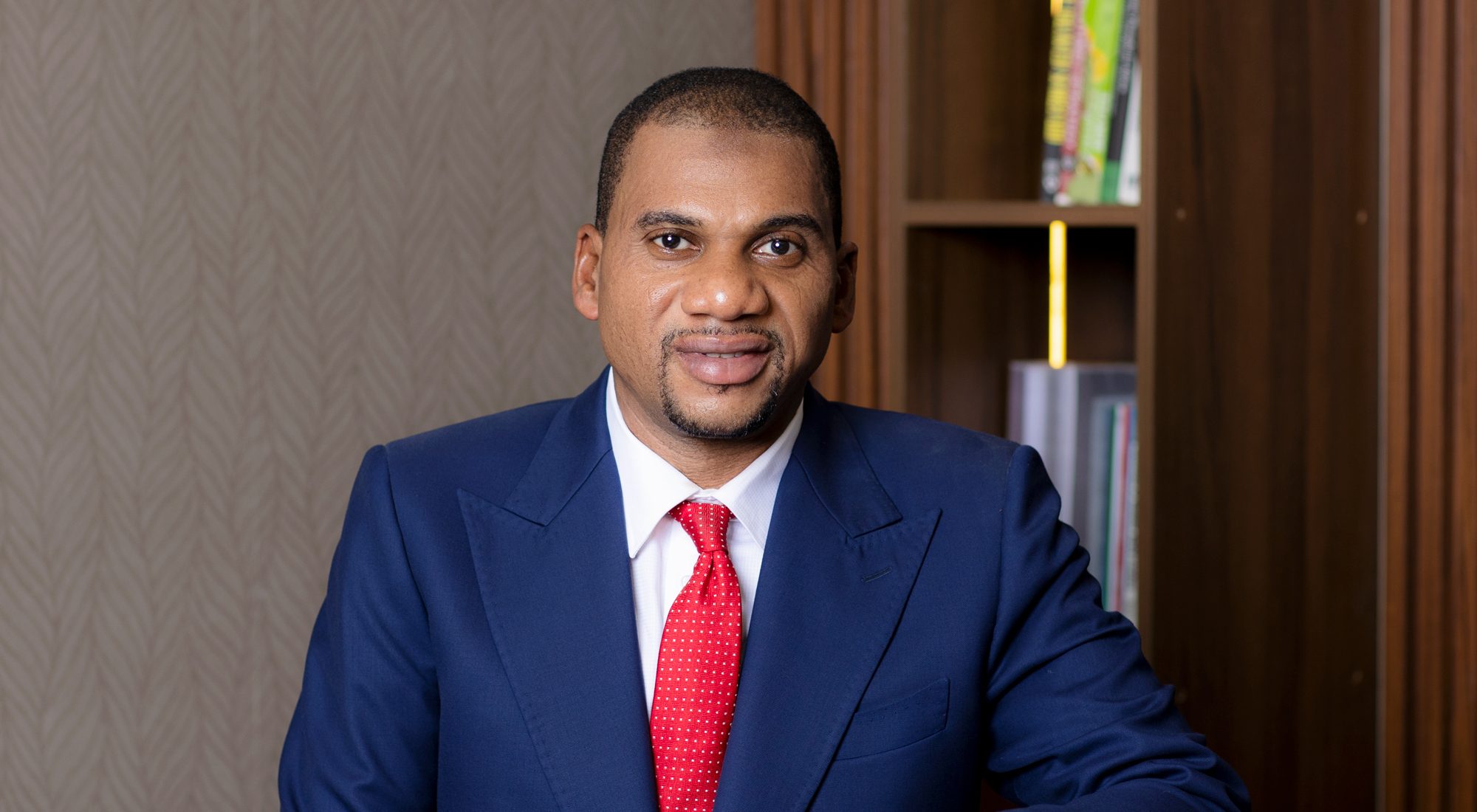
By Adnan Adams Mohammed, Financial and Economic Journalist
Farihan Alhassan, the 44-year-old Managing Director of GCB Bank PLC, is no stranger to shattering age barriers. To him, youthfulness and weighty responsibility are a familiar combination. At just 26, Alhassan made history as the youngest regional manager at Barclays Bank (now Absa).
But his personal milestones are not what has the financial world talking. The real story is how the bank he leads recently captured national headlines, staging an unprecedented financial comeback that has redefined Ghana’s banking landscape.
In 2025, GCB Bank shattered performance records, posting an unprecedented profit before tax of GHS 3.17 billion and a staggering net profit of GHS 2.06 billion.
This explosive growth triggered a massive rally on the Ghana Stock Exchange. In January 2025, GCB’s share price sat at a modest GHS 6.2. By December 2025, it had skyrocketed to GHS 22.5 per share. That momentum has only accelerated; at the time of going to press, GCB’s share price commands a historic GHS 36.
GCB Bank Performance Indicators at a Glance
Financial Metric 2024 / Early 2025 Late 2025 / Current (2026) Growth / Change
Total Assets Baseline GHS 42.8 Billion +57.6% YoY
Total Deposits Baseline GHS 34.5 Billion +58.5% YoY
Loan Book Expansion Baseline — +52.8%
Share Price GHS 6.2 (Jan 2025) GHS 36.0 (Current) +480.6%
Non-Performing Loans (NPL) 15% 4.9% (Q1 2026) Down 10.1%
High Volume, Low Risk
For Alhassan, however, the ultimate victory lies not just in raw profitability, but in surgical operational efficiency. GCB has drastically elevated its underwriting standards. The bank is now aggressively extending more loans than any of its competitors, yet fewer of those loans are going bad.
According to financial statements, GCB’s total assets surged by 57.6% year-on-year to GHS 42.8 billion far outstripping the banking industry’s average growth rate of 33.79%. This expansion was fueled by a 52.8% growth in its loan book and a 58.5% increase in total deposits, which now stand at GHS 34.5 billion.
The Secret Sauce: A Bottom-Up Revolution
So, what is GCB Bank doing differently? Alhassan attributes the magic trick to a radical shift in corporate culture: a strict bottom-up approach.
“Everything is about the staff,” Alhassan emphasizes. Under his leadership, employees have been empowered to see themselves as direct architects of the bank’s strategy. In this new cultural paradigm, the bank’s failures are felt personally, and its successes are celebrated collectively.
But Alhassan’s strategy wasn’t built on motivational speeches alone. The bank backed its vision with tangible rewards, effectively lubricating the “rusty parts” of its workforce’s professional lives. GCB rolled out sweeping salary increases, with some categories of workers seeing their take-home pay completely doubled.
No Flash in the Pan
Critics wondering if GCB’s 2025 performance was a temporary stroke of luck have already been answered by the bank’s dominant opening acts in 2026.
In the first quarter of 2026, GCB recorded a profit before income tax of GHS 902.5 million, a massive leap from the GHS 533.1 million recorded during the same period last year. Simultaneously, the bank’s non-performing loan (NPL) ratio plummeted to an astonishing 4.9%, down from 14.9% in the previous year.
Backed by a highly supportive board of directors led by Professor Joshua Alabi—whose imposing physical presence is matched only by his towering legacy at the University of Professional Studies, Accra (UPSA)—Alhassan remains fiercely confident.
If the current trajectory is any indication, GCB Bank PLC has no intention of ceding its crown as the undisputed leader of Ghana’s banking industry.
