
By Adnan Adams Mohammed
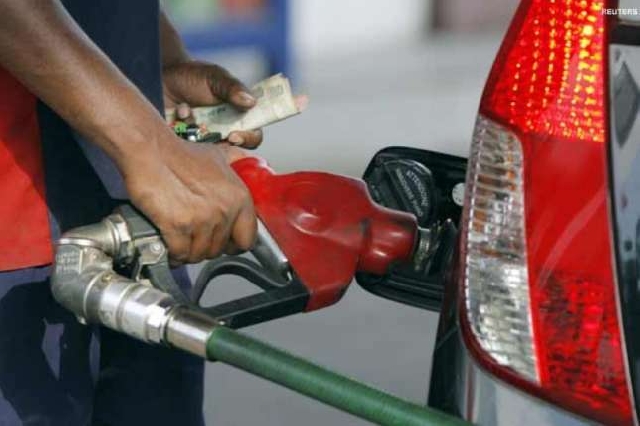
In a significant move to protect citizens from the volatile global oil market, the Government has announced a strategic fiscal intervention to lower fuel prices across the country. Starting Thursday, April 16, 2026, the State will absorb GH¢2.00 per litre on diesel and GH¢0.36 per litre on petrol.
The temporary relief measure, sanctioned by Cabinet and announced by the Presidency on Wednesday, arrives as a lifeline for households, transport operators, and businesses currently grappling with a sharp rise in the cost of living.
A Shield Against Global Shocks
The intervention is a direct response to recent surges in international petroleum prices, fueled by geopolitical tensions specifically the fallout from the Israel-US conflict with Iran and the subsequent closure of the Strait of Hormuz. These external factors had pushed crude oil prices as high as $102 per barrel, leading to steep increases at local pumps over the last two pricing windows.
In a statement signed by the Minister for Government Communications, Felix Kwakye Ofosu, the government noted that the spikes were becoming unsustainable for the domestic economy.
“This intervention is intended to cushion customers and ease the cost burden on households and transport operators. Government remains committed to maintaining price stability and protecting livelihoods in the face of external shocks,” the statement read.
Key Details of the Intervention
● Effective Date: April 16, 2026 (Beginning of the new pricing window).
● Duration: One month (subject to review).
● Diesel Subsidy: GH¢2.00 per litre reduction.
● Petrol Subsidy: GH¢0.36 per litre reduction.
Economic Outlook and Monitoring
While the National Petroleum Authority (NPA) had already signaled a marginal drop in price floors for the upcoming window, this government-led absorption provides a much deeper cut than market forces alone would have allowed.
The Ministry of Finance and the Ministry of Energy and Green Transition have been tasked with monitoring the global trajectory closely over the next 30 days. According to the Presidency, this period will be used to evaluate whether further “recalibrations” are necessary to sustain the nation’s economic recovery.
For now, the move has been widely welcomed by commercial drivers and industry players who had feared another round of fare hikes. By absorbing these costs, the government aims to keep transport fares stable and prevent a “knock-on” effect on food inflation.
