
By Adnan Adams Mohammed
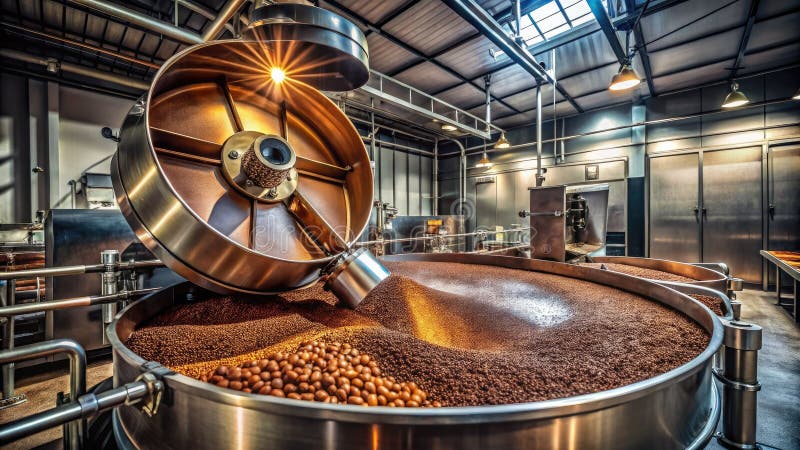
In a move set to redefine the backbone of West Africa’s economy, President John Dramani Mahama and leadership from the Ghana Cocoa Board (COCOBOD) have announced a transformative goal to process 50 percent of the nation’s cocoa beans locally.
The announcement, made during the 2026 May Day celebrations at Jackson Park, marks a historic shift from Ghana’s traditional role as a raw material exporter to a global leader in value-added cocoa products. Under the “Resetting Ghana Agenda,” the government aims to pivot toward aggressive agro-industrialization.
The CEO of COCOBOD, echoing the President’s vision for a modernized sector, hailed the initiative as a continental milestone. “Processing 50% of Ghana’s cocoa locally is not just a national goal; it is a catalyst for heralding a new cocoa industry for Africa,” Dr Randy Abbey remarked. “By retaining the value chain within our borders, we are ensuring that the wealth generated by our ‘black gold’ stays with the people who grow it.”
President Mahama told the spirited gathering of workers and farmers that the era of exporting raw cocoa at the expense of national development must end. “For farmers in the Eastern Region, our Resetting Ghana Agenda means shifting from exporting raw cocoa beans to processing them locally,” the President stated. “Next year, we intend to achieve 50% local processing of Ghanaian cocoa beans.”
The President emphasized that this shift is a strategic move to address unemployment and revitalize rural economies. By establishing and supporting local agro-processing hubs, the government intends to create thousands of jobs, particularly for young people, to stem the tide of rural-urban migration.
“This policy is targeted at strengthening agro-industrialisation while creating jobs, particularly for young people in rural communities,” he noted, adding that government support for these hubs will be central to generating sustainable livelihoods.
To support this industrial shift, the President highlighted recent interventions aimed at boosting the productivity of individual farmers. “I launched a farmer’s service centre in Afram Plains recently to help farmers expand cultivation, increase yields, and improve incomes,” he told the cheering crowd.
The President also linked the success of the cocoa industry to the overall well-being of the workforce, promising continued investment in rural healthcare. “As we pivot to growth, we must protect the human capital that drives it. A Reset Ghana means a healthy Ghana,” he concluded.
The 50% processing target has been met with optimism by industry players, who view it as a long-overdue step toward economic independence and a blueprint for other cocoa-producing nations in Africa to follow.
