
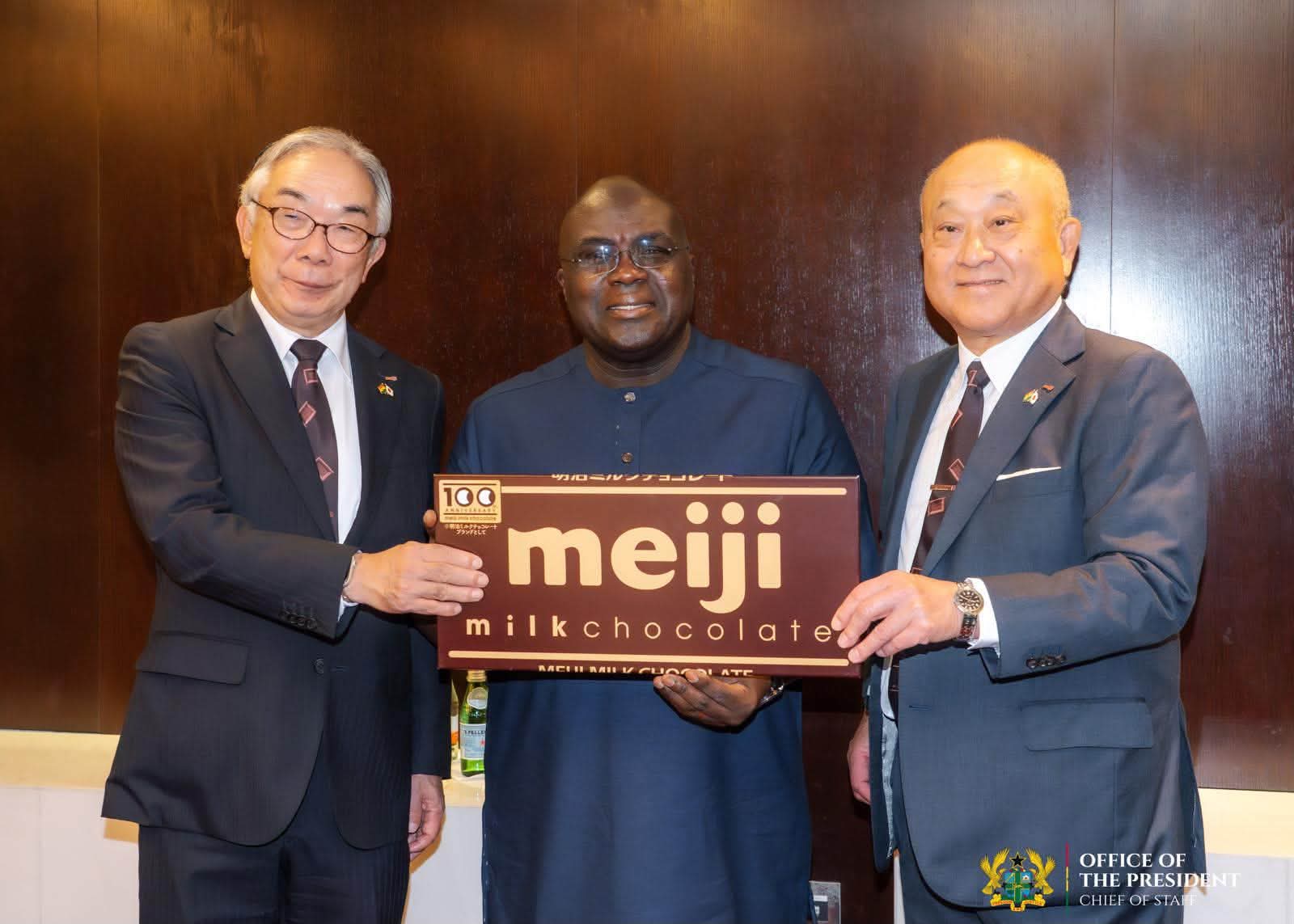
Ghana has signaled a major push toward green manufacturing and domestic industrialization as top government officials and Japanese diplomats gathered to mark the 100th anniversary of Meiji Milk Chocolate.
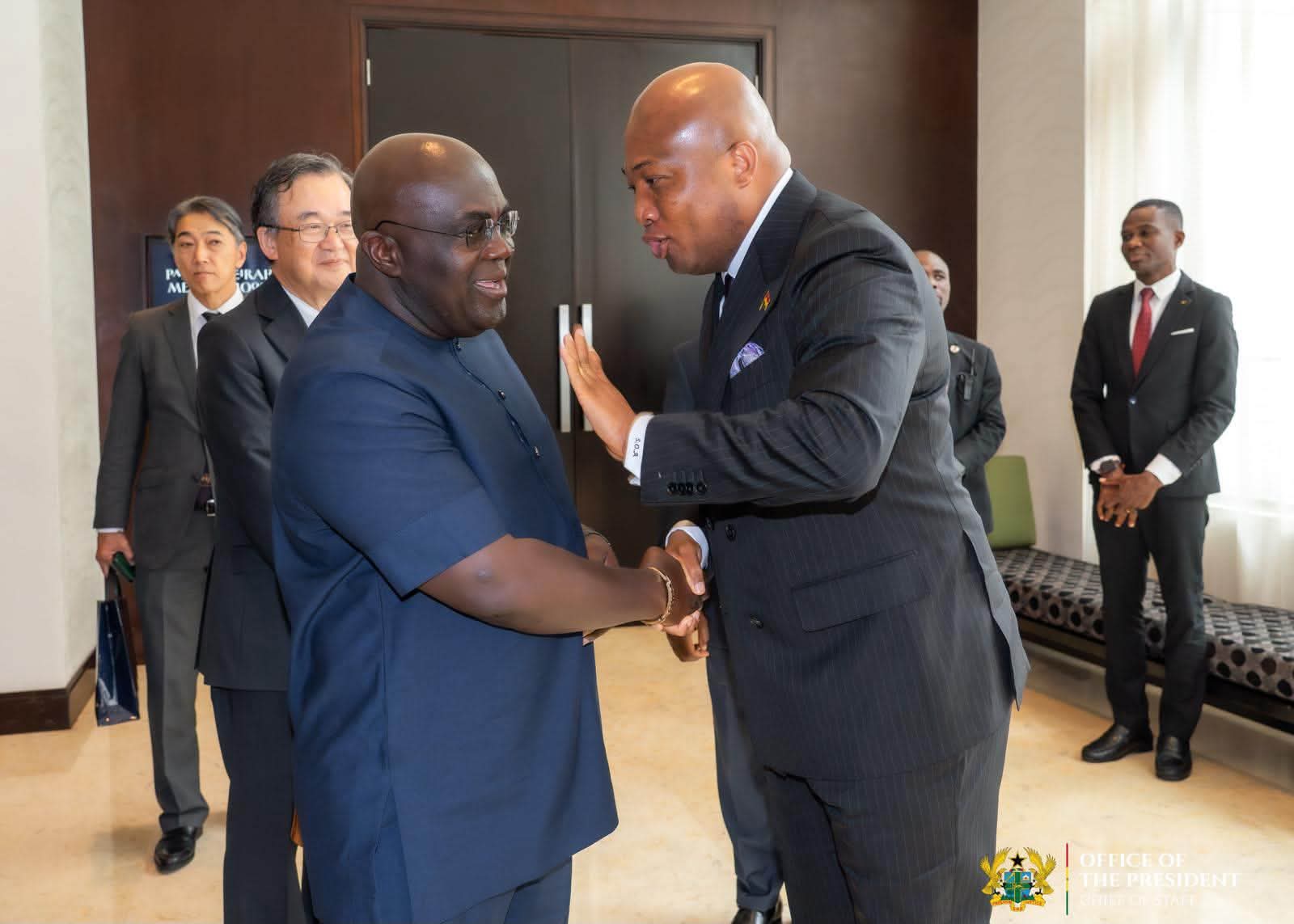
The centenary celebration brought together key figures across the global supply chain, including the Ambassador of Japan to Ghana, His Excellency Hiroshi Yoshimoto, leadership from Meiji, representatives of JICA and JETRO, officials from the Ghana Cocoa Board (COCOBOD), and local cocoa farmers.

Delivering the keynote address on behalf of President John Dramani Mahama, Chief of Staff Dr. Julius Debrah praised the Japanese confectionery leader while re-centering the narrative on the rural communities powering the global trade.
”On behalf of His Excellency President John Dramani Mahama and the Government of Ghana, I congratulated Meiji on a century of quality, innovation and global success,” Dr. Debrah stated. “For Ghana, this celebration is about more than chocolate. It is about the farmers whose hard work sustains the cocoa value chain.”
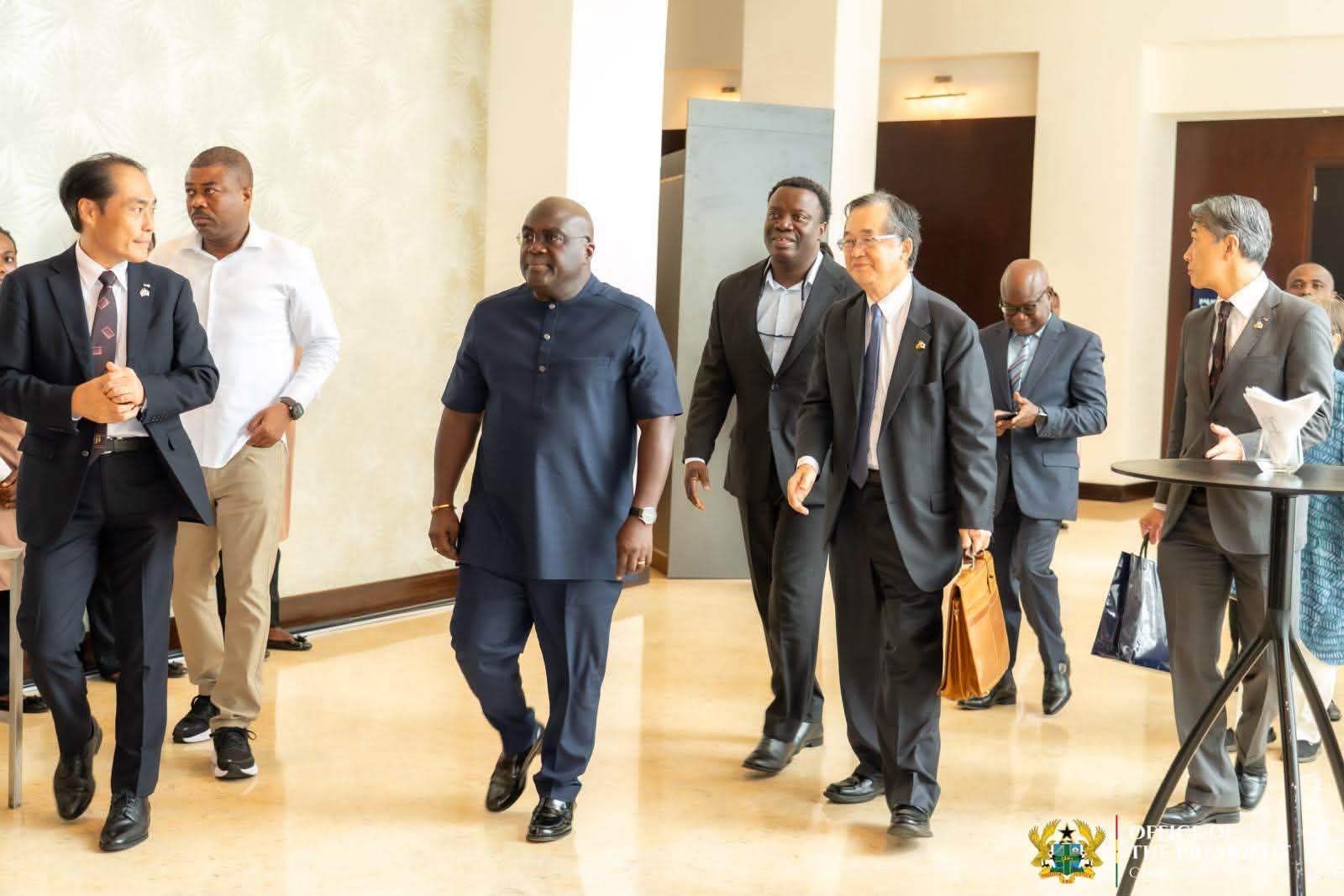
The event highlighted nearly two decades of joint sustainability work under the Meiji Cocoa Support program, which has focused on agroforestry, traceability, worker welfare, and halting deforestation since 2006.
However, the core narrative of the day shifted decisively toward transforming Ghana from a raw exporter into an industrial processing hub. Government officials outlined strategic reforms designed to capture more value within national borders.
”President Mahama’s cocoa-sector reforms are focused on protecting farmer incomes, improving productivity and expanding local processing,” Dr. Debrah emphasized. “Our ambition is to process at least half of Ghana’s cocoa locally, creating more jobs and retaining more value in Ghana.”
A key highlight of the partnership is a joint venture exploring cocoa-derived bioplastics. The initiative aims to repurpose agricultural waste—such as discarded cocoa pods—into biochar, natural fibers, and biodegradable packaging materials.
”I was particularly encouraged by Meiji’s work on cocoa-derived bioplastics, which could transform cocoa pod waste into biochar, fibre and bio-based or biodegradable plastics, creating new economic opportunities while supporting a cleaner, circular economy,” Dr. Debrah noted.
Closing the event, Dr. Debrah called on all partners to move rapidly from diplomatic pledges to industrial execution, ensuring that local farmers and youth benefit directly from new manufacturing technologies.
”The next step is to turn these ideas and partnerships into technology transfer, local manufacturing, research, training and viable production in Ghana,” Dr. Debrah said. “The cocoa pod has already given the world chocolate. With partnership, innovation and disciplined execution, it can give our people much more.”
