

By Adnan Adams Mohammed
The Bank of Ghana has reiterated commitment to operationalise Non-Interest Banking And Finance (NIBF) in Ghana which do not set stage for religious biases.
Dr Johnson Asiama, Governor of Bank of Ghana at the MPC press briefing last week, gave a resounding affirmation of launching a framework that will guide the operationalisation of the NIBF in Ghana before end of 2025.
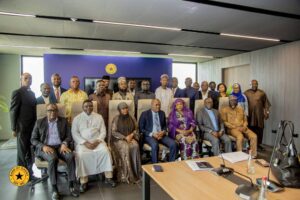
Critical to achieving a coherent, comprehensive and ‘all onboard’ stakeholders towards the NIBF framework drafting, the Central bank’s expert team led by Professor John Gartchie Gatsi, has embarked on rigorous trainings, stakeholder engagements as well jurisdictional learning tour. The most recent of such engagement is the meeting with representatives of Christian and Muslim leaders at the Bank Square, last week Thursday, September 18, 2025.

The consultative meeting discussed pertinent topics and modalities towards the development of an ‘inclusive regulatory framework’ for the rollout of NIBF in Ghana. The meeting also discussed international regulatory standards, governance structures, and the establishment of both NIBF windows within conventional banks and fully fledged NIBF institutions.
Prof. Gatsi emphasised that NIBF would enhance financial inclusion, broaden economic opportunities, and expand consumer choice—ensuring fairness and non-discrimination.
Leaders of both faith groups expressed appreciation to the Bank for creating space for dialogue and collaboration on this important initiative.
“The Bank of Ghana remains committed to fostering a financial system that serves all Ghanaians”, Prof Gatsi assured the faith groups on behalf of the Governor.
It is envisaged that, the NIBF, amid its comprehensive and holistic financing system will focus on more productive results from money as against the conventional financial system which focuses on earning on money, provides secured, guaranteed and highly risk averse sources of funding tailored for specific projects at a time.
“NIBF is expected to finance big infrastructure projects, improve socio-economic activities, increase economic growth, deepen financial inclusion, and promote risk sharing in financial transactions”, Prof Gatsi has noted.
