
By Adnan Adams Mohammed
Ghana’s central bank is urging the financial sector to pivot from basic digital payments toward aggressive, technology-backed lending designed to uplift smallholders and women-led enterprises.
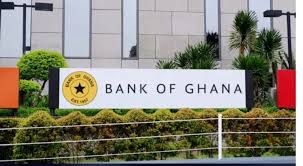
The strategy shift comes as the Bank of Ghana (BoG) warns that the country’s impressive surge in fintech usage will yield little long-term value if it fails to build real economic resilience for everyday entrepreneurs.
Addressing financial sector stakeholders in Accra, BoG officials stressed that the nation’s economic momentum hinges on transforming transaction platforms into dynamic credit engines for Micro, Small, and Medium Enterprises (MSMEs).
“Digital transaction volumes alone do not equal economic resilience,” said Dr. Norbert Asiama, Second Deputy Governor of the Bank of Ghana. “Ghana must turn its digital finance gains into better financial health for its citizens. That means moving from payment utility to wealth creation, savings mobilization, and risk mitigation tools that shield households and small businesses from economic shocks.”
While mobile money and digital wallets have made payment processing seamless across rural and urban markets, strict traditional credit requirements continue to starve agricultural workers and small traders of capital.
To break this gridlock, central bank leadership called on lenders to replace rigid collateral demands with modern, data-informed risk evaluation tools.
“Traditional lending parameters have historically excluded the very businesses that drive our real economy,” the BoG Governor stated during his address. “We are calling for technology-driven solutions such as alternative credit scoring and digital collateral registries to accurately price risk and close the MSME financing gap once and for all.”
Highlighting the systemic impact of broad-based lending, First Deputy Governor Dr. Maxwell Opoku-Afari emphasized that targeting credit toward vulnerable demographics is fundamental to national stability.
“Expanding access to productive credit is no longer optional; it is an economic imperative,” Dr. Opoku-Afari said. “We must ensure that our financial architecture delivers affordable, tailored credit to women entrepreneurs, smallholder farmers, and MSMEs. These are the engines of job creation and sustainable growth in Ghana.”
Moving forward, the regulator pledged to maintain flexible oversight that encourages fintech-bank partnerships while ensuring strong consumer protection standards across the credit landscape.
