
By Adnan Adams Mohammed
The Government of Ghana has strongly pushed back against critics claiming a slowdown in public spending, presenting Parliament with an extensive breakdown of billions of cedis deployed across crucial sectors of the economy under the 2026 Budget.
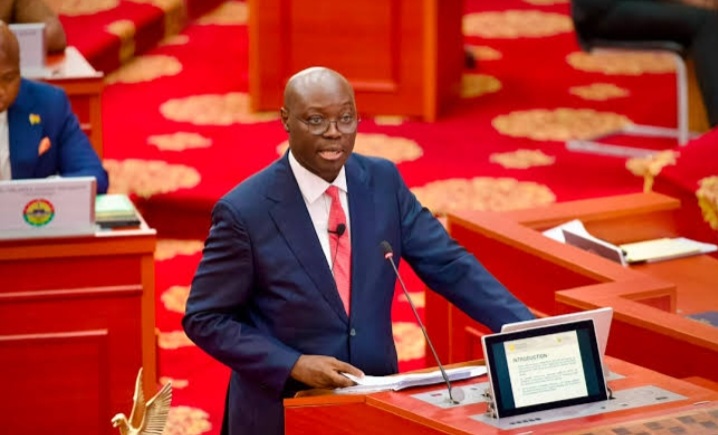
Addressing Parliament, government representatives insisted that state funds are being deployed responsibly to drive national development while strictly preserving fiscal discipline following recent macroeconomic stabilization efforts.
Discipline Meets Development
Addressing lawmakers in Parliament, government officials emphasized that while a narrative of reduced public expenditure has gained traction among political opponents and market commentators, the financial figures demonstrate substantial funding for infrastructure, social protection, education, and health.
“We are operating on the fundamental principle of spending only what we have while ensuring that every single cedi is deployed prudently,” stated the government update presented to Parliament. “The narrative that public spending has stalled is completely detached from the reality on the ground. We are maintaining fiscal discipline without compromising on critical social investments and development projects.”
Major Allocations Across Essential Sectors
According to the official fiscal update, compensation for public sector employees accounted for the largest single expenditure at GH¢48.8 billion, which included GH¢4 billion in contributions toward the Social Security and National Insurance Trust (SSNIT) and Tier-2 pension schemes.
Debt servicing commitments were also highlighted, with GH¢21.5 billion paid toward domestic interest obligations, US$700 million spent on servicing Eurobond and foreign debt commitments, and GH¢10 billion disbursed to domestic bondholders to bolster financial sector confidence.
To support social welfare and sub-national governance, government released GH¢4.4 billion to the District Assemblies Common Fund (DACF), GH¢4.5 billion to the National Health Insurance Scheme (NHIS), and GH¢1.1 billion toward the specialized healthcare initiative, MahamaCares.
“Our commitment to social safety nets remains unwavering,” the statement noted. “From health coverage through the NHIS to specialized care under MahamaCares and local development via the District Assemblies Common Fund, resources are actively flowing to improve the everyday lives of Ghanaians.”
Investments in Education, Agriculture, and Infrastructure
The breakdown highlighted extensive support for education, including GH¢4.2 billion transferred to the Ghana Education Trust Fund (GETFund), GH¢1.8 billion for the Free SHS Programme, GH¢537 million under the No Fees Stress Policy for tertiary students, and GH¢915 million for educational goods and services.
In infrastructure and agriculture, government committed GH¢11.5 billion to total capital expenditure, which encompasses GH¢6.5 billion dedicated to the Big Push Infrastructure Programme and GH¢1.7 billion to the Road Maintenance Trust Fund. Agriculture received GH¢1.1 billion for the Ministry of Food and Agriculture to support flagship initiatives like Feed Ghana, alongside an additional GH¢551 million set aside in escrow for establishing Farmer Service Centres.
“Investing in our roads, modernizing agriculture, and relieving the cost of education for families are non-negotiable priorities,” a spokesperson added during the parliamentary session. “These allocations directly strengthen our local economies and ensure long-term, sustainable growth across every region of the country.”
Social intervention schemes were also covered, with GH¢877 million disbursed to the Ghana School Feeding Programme, GH¢485 million to the Livelihood Empowerment Against Poverty (LEAP) scheme, and combined millions allocated for teacher and nursing trainee allowances.
Government concluded its address by assuring Parliament that it will maintain transparency and adhere closely to approved budgetary framework targets for the remainder of the fiscal year.
