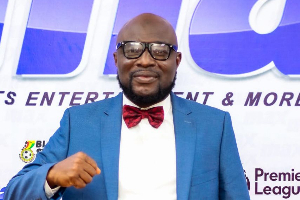
By Adnan Adams Mohammed
Ghana’s premature and disappointing exit from the 2026 FIFA World Cup has triggered a profound post-mortem across the nation, with prominent voices pointing to a complete collapse in leadership, psychological resilience, and tactical direction.
In a scathing assessment of the national team’s current state, veteran sports journalist Mohammed Amin Lamptey has warned that Ghana has entirely severed ties with its historic footballing culture.
Lamptey argues that the Black Stars’ failure on the global stage was the inevitable result of a team operating without an identity or a definitive “A-Level” leader to guide them through high-stakes turbulence.
The Death of Ghana’s Football Identity
Reflecting on the golden eras of Ghanaian football, Lamptey pointed to a time when local coaching icons seamlessly blended tactical acumen with a fierce sense of patriotism.
“Any time I reflect on Ghana’s youth football development, I’m reminded of the historic impact made by great coaches who combined A-level leadership with a deep spirit of nationalism,” Lamptey noted. “Legends like C.K. Gyamfi, Osam-Duodu, E.K. Afranie, Sam Arday, Sir Cecil Jones Attuquayefio, E.K. Sarpong, and Otti Akenteng… these unforgettable local tacticians shaped Ghana’s football identity.”
According to Lamptey, these past pioneers built a cost-effective, highly cohesive assembly line of talent rooted in discipline, endurance, and teamwork. Today, that foundation has crumbled.
“The bitter truth: over the past several years, Ghana has lost its football culture and identity,” Lamptey lamented. “All the expatriate coaches who have come through, including current Black Stars head coach Carlos Queiroz, the veteran Portuguese manager, failed to apply the right chemistry to complement Ghana’s football identity.”
A Systemic Collapse on the World Stage
The deficiencies in the current setup were glaringly exposed during the 2026 World Cup group stages. The Black Stars looked entirely disconnected, unable to string together meaningful phases of play or match the intensity of their opponents.
“Ghana was kicked out of the 2026 World Cup simply because we lacked a complete team. No cohesion, no teamwork, no effective tactics,” Lamptey stated bluntly. “We couldn’t create chances or convert them. Above all, our midfield system lacked the fluidity to supply our proven strikers with the passes they could turn into goals.”
The critique highlights a growing modern paradox: Ghanaian players consistently excel for elite foreign clubs but appear entirely transformed and psychologically burdened when wearing the national colors. Lamptey stressed that modern football demands advanced tactical training, personalized technological analysis, and heavy psychological support to close this gap.
“National team psychologists must be proactive in strengthening players’ resilience and confidence,” he urged. “Too often, players prove their mettle with foreign clubs but look psychologically drained in national colors. That gap must be closed.”
The Search for an ‘A-Leader’
Beyond tactical adjustments, Lamptey argues that the modern Black Stars lack a galvanizing figure on and off the pitch. While the captain’s armband is currently worn by Jordan Ayew who, alongside previous captains, has often faced intense and unprovoked public scrutiny Lamptey insists that true leadership cannot be merely appointed.
“In football, a leader isn’t just the one wearing the armband. It’s the player who inspires, motivates, and guides the team on and off the field,” Lamptey explained. “Leadership in football is not imposed. It’s earned through proactive action and experience.”
AN “A-LEADER” REQUIRES:
1. Emotional Control – Stabilizing the dressing room under stress.
2. Clear Communication – Rallying the squad and adjusting tactics.
3. Professional Standards – Setting the bar for discipline and behavior.
4. Mediation Skills – Resolving internal disputes harmoniously.
Lamptey emphasized that an A-Leader must possess the emotional intelligence and superior judgment to transform average talent into high performers, guiding through vision and honest feedback rather than risk-averse management.
A Call for Radical Reform
With the ashes of the 2026 World Cup campaign still smoldering, the consensus among sports analysts and stakeholders is that temporary fixes will no longer suffice. For Ghana to reclaim its status as the “Black Stars of Africa,” a complete overhaul from the grassroots level upward is required.
“Ghana must return to the drawing board,” Lamptey concluded. “We need to reevaluate our youth development system, infrastructure, and coaching structures across all national teams. That’s how we reshape and restore Ghana’s football brand and identity. The time to reposition and reshape Ghana football is now.”
Leave a Reply