
By Adnan Adams Mohammed
The rapid integration of Artificial Intelligence (AI) has advanced past a simple software trend to trigger a profound structural shift across the global economy.
New developments across the tech landscape reveal that while the intense AI boom is driving hardware manufacturing costs to critical heights and forcing major consumer price hikes, it is simultaneously embedding itself into the daily workflows of students and prompting major industry leaders to rethink the future of the global human workforce.
1. Hardware in Crisis: Apple Prepares Price Hikes Amid AI Chip Squeeze
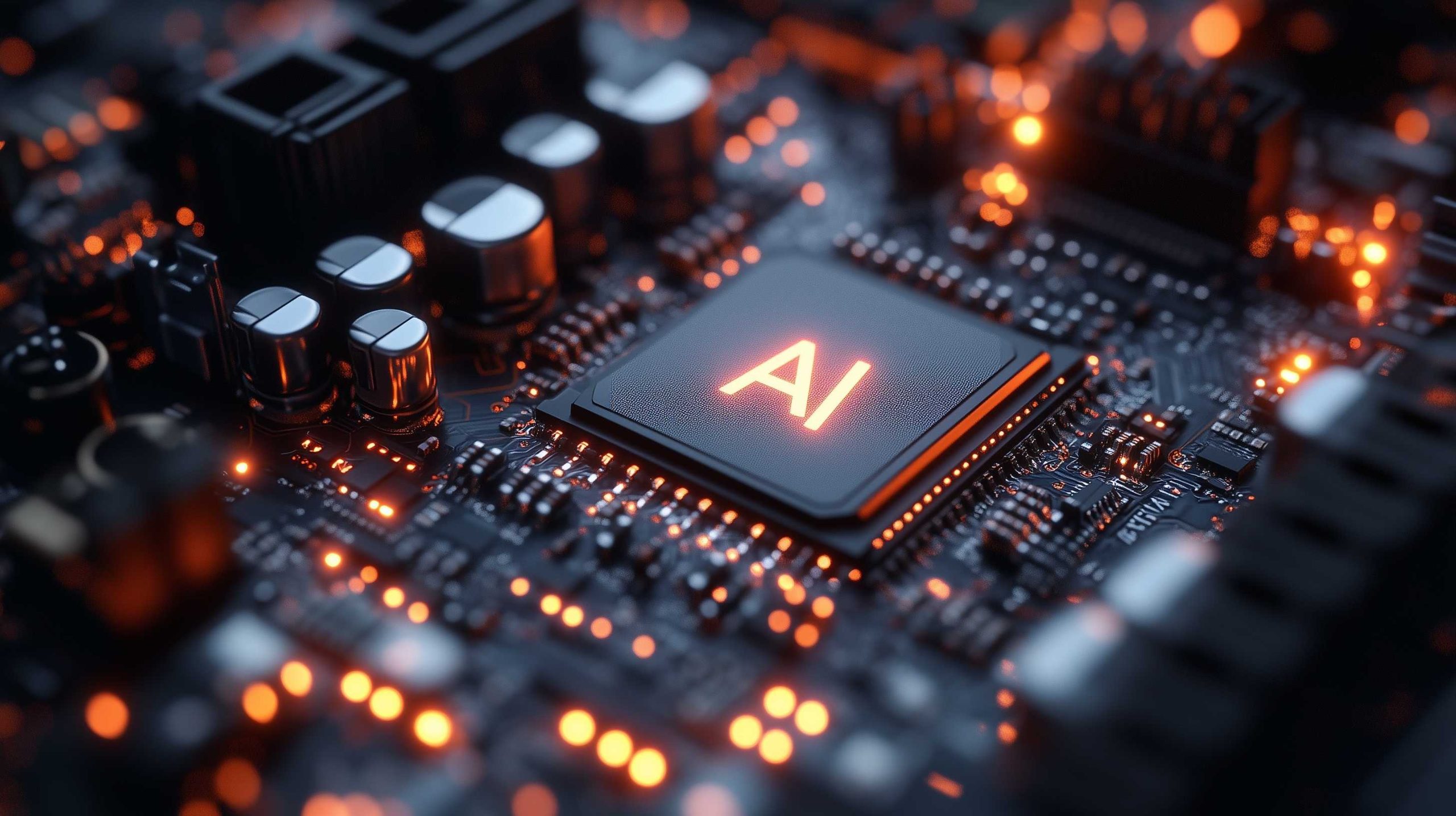
The explosive demand for high-powered data centers capable of processing complex AI algorithms has triggered an aggressive, global scramble for vital computer components. Consequently, tech giant Apple has announced unavoidable price increases across its gadget ecosystem due to an “unsustainable” surge in memory chip costs.
The price of RAM historically one of the most affordable hardware parts has more than doubled since October 2025. This strain is worsened by the geopolitical conflict in Iran, which has heavily disrupted the global supply of helium a gas absolutely critical for semiconductor fabrication.
In a direct address detailing the supply constraints, outgoing Apple Chief Executive Tim Cook gave a candid warning regarding the immediate future of consumer technology:
“We’re doing our best to mitigate the huge increases that are being passed to us, and we’ve been trying to shield our customers from the increases, but the situation has become unsustainable. There’s less supply at a time when consumers want devices and the memory guys are passing along huge price increases. We definitely need memory pricing and supply to return to reasonable levels for consumer products. That’s the bottom line.”
Market tracking firm Omdia estimates that the average selling price of smartphones globally will jump by roughly 20% in 2026, with upcoming AI-enabled iPhones expected to retail for up to $150 more than previous models.
# The Domestic Manufacturing Pivot
In a sudden, high-stakes attempt to insulate American supply chains from these international constraints, U.S. President Donald Trump announced via Truth Social that Apple has agreed to pivot a portion of its core hardware dependencies domestically. Trump stated that Apple will work directly with Intel to design and manufacture its chips inside the United States, reducing its reliance on Taiwan Semiconductor Manufacturing Company (TSMC) amid the aggressive global chip rush.
2. The New Study Companion: AI Tools Overtake Traditional Libraries
While corporate boards grapple with manufacturing costs, the software itself is completely transforming the educational sector. A random survey conducted by the Ghana News Agency (GNA) revealed a significant behavioral shift among youth, who are increasingly replacing traditional libraries with digital platforms and interactive AI systems for active learning and research.
AI-powered applications have quickly evolved into highly efficient personal study companions, utilized daily to condense large academic texts, interpret dense scientific formulas, and eliminate hours of manual research.
Miss Sarah Mensa, a university student, explained how instant digital availability has altered her generation’s foundational study habits:
“When I need information, I simply use TikTok, YouTube or an AI tool because it takes only a few minutes to find explanations on almost any topic. Our generation prefers quick access to information, and TikTok gives you information instantly, and AI tools can answer questions within seconds.”
Echoing the permanence of this trend, university graduate Kofi Boateng highlighted the unparalleled accessibility that physical educational spaces simply cannot match:
“If I have a question late at night, I can use AI immediately; I do not have to wait until a library opens the next day.”
3. Work of the Future: Bezos Dismisses Mass Displacement Fears
The rapid, deep adoption of AI in both academic and industrial settings has naturally amplified public anxiety regarding massive human labor displacement. However, speaking at the VivaTech conference in Paris, Amazon founder Jeff Bezos firmly rejected the popular narrative that AI will render humans obsolete.
Instead, Bezos argued that the massive scale of automation will open entirely new avenues of industrial and commercial creation, ultimately resulting in a structural labor shortage rather than widespread unemployment.
Addressing the global conversation surrounding job security, Bezos emphasized that human capability remains the primary bottleneck to technological execution:
“We have an endless set of things to invent and we are only limited –– today, we are only limited not by our imaginations but by what we can actually do.”
Navigating the Dual Realities of Progress
As the world maneuvers through this intense phase of technological evolution, the dual nature of the AI revolution is becoming distinctly clear.
On one end, consumers must brace for a “new pricing reality” where smart devices carry premium price tags to cover skyrocketing hardware expenses.
On the other hand, the technology continues to serve as an equalizer for human productivity democratizing access to high-level information for students, creating new economic opportunities, and challenging global industries to build resilient, local production pipelines.
