By Adnan Adams Mohammed
In a major development for consumers and macroeconomic planners alike, retail fuel prices across Ghana are undergoing their sharpest decline in months.
The localized drop follows a major de-escalation of international geopolitical conflicts, providing immediate breathing room for household budgets and strengthening the state’s path toward financial stabilization.
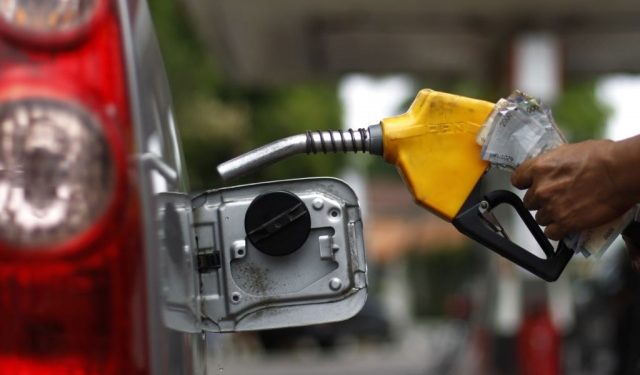
Leading Oil Marketing Companies (OMCs) have aggressively cut pump prices, with petrol falling to GH¢13.87 per litre at major retail stations.
The downward pricing shift is tied to a plunge in global crude oil benchmarks, which dropped below US$80 a barrel following diplomatic breakthroughs and an unexpected stabilization of tensions between the United States and Iran.
Global De-escalation Drives the Plunge
The abrupt reversal of global oil risks has injected fresh optimism into the domestic downstream petroleum sector. Over the past year, international shipping routes and crude production had been severely choked by ongoing conflicts involving major world powers and Middle Eastern nations, artificially inflating freight, logistics, and insurance premium overheads.
Dr. Riverson Oppong, the Chief Executive Officer of the Chamber of Oil Marketing Companies (COMAC), voiced strong optimism that this international stabilization will provide sustained, long-term relief to Ghanaian consumers.
“We are highly optimistic that stabilizing Iran-US tensions and a potential formal agreement could firmly push and sustain crude oil prices below the US$80 mark,” Dr. Oppong stated following a market review. “The localized drop starting this pricing window is a direct reflection of structural ease on the global market. If these international diplomatic gains hold, Ghanaian consumers will continue to enjoy consecutive rounds of relief at the pumps.”
The Hidden Cost of War
Despite the celebration surrounding the current price cuts, energy industry advocates note that domestic fuel prices remain heavily burdened by external geopolitical realities.
Offering a sobering analysis of the structural mechanics behind fuel pricing, Dr. Patrick Ofori, the Chief Executive Officer of the Chamber of Bulk Oil Distributors (CBOD), revealed that without the compounding costs of global conflicts, fuel prices in Ghana would be exponentially lower than current retail figures.
“If there was no war, and looking at where the Bank of Ghana auction rate stands today, Ghanaians would be buying these petroleum products at around GH¢9 or GH¢10 per litre at the very most,” Dr. Ofori explained. “The geopolitical disruptions over the last year pushed freight rates up five-fold and forced maritime insurance premiums to jump from $3 million to as high as US$17 million for single vessels. While we are happy with the current reduction to GH¢13.87, the reality is that local consumers are still paying an unearned premium due to international instability.”
Dr. Ofori added that Ghana’s continued exposure to these global market shocks underscores the urgent need for the state to establish long-term funding mechanisms to build a resilient strategic petroleum reserve.
A Major Victory for the Central Bank’s Disinflation Goal
Beyond immediate relief for drivers and commercial transport operators, the plummeting cost of fuel serves as a major strategic victory for national monetary policy. High fuel prices have historically served as a rapid pass-through catalyst for food and core inflation across the country.
Addressing financial stakeholders on the changing economic landscape, the Governor of the Bank of Ghana (BoG), Dr. Johnson Asiama, indicated that the easing of Middle East geopolitical risks has arrived at a critical juncture, fundamentally shifting the central bank’s policy horizons.
“Lower global oil risks may significantly strengthen Ghana’s ongoing disinflation path,” Governor Asiama noted. “The cooling of energy supply shocks improves our baseline inflation outlook and, if these trends are structurally sustained over the coming quarters, it will create vital policy space for the monetary authorities to consider further policy rate easing.”
With the central bank hinting at a potential lowering of commercial borrowing costs and OMCs signaling room for further pump reductions, the country’s broader business community is expressing rare optimism. If the global energy corridor remains free of active conflicts, the current retail price correction could mark the beginning of a sustained economic turnaround for the country.
Leave a Reply