
By Adnan Adams Mohammed
A powerful coalition of feminist and human rights organizations has launched a scathing condemnation of the 4th African Inter-Parliamentary Conference, accusing its organizers and attendees of weaponizing “African family values” to dismantle fundamental human rights protections across the continent.
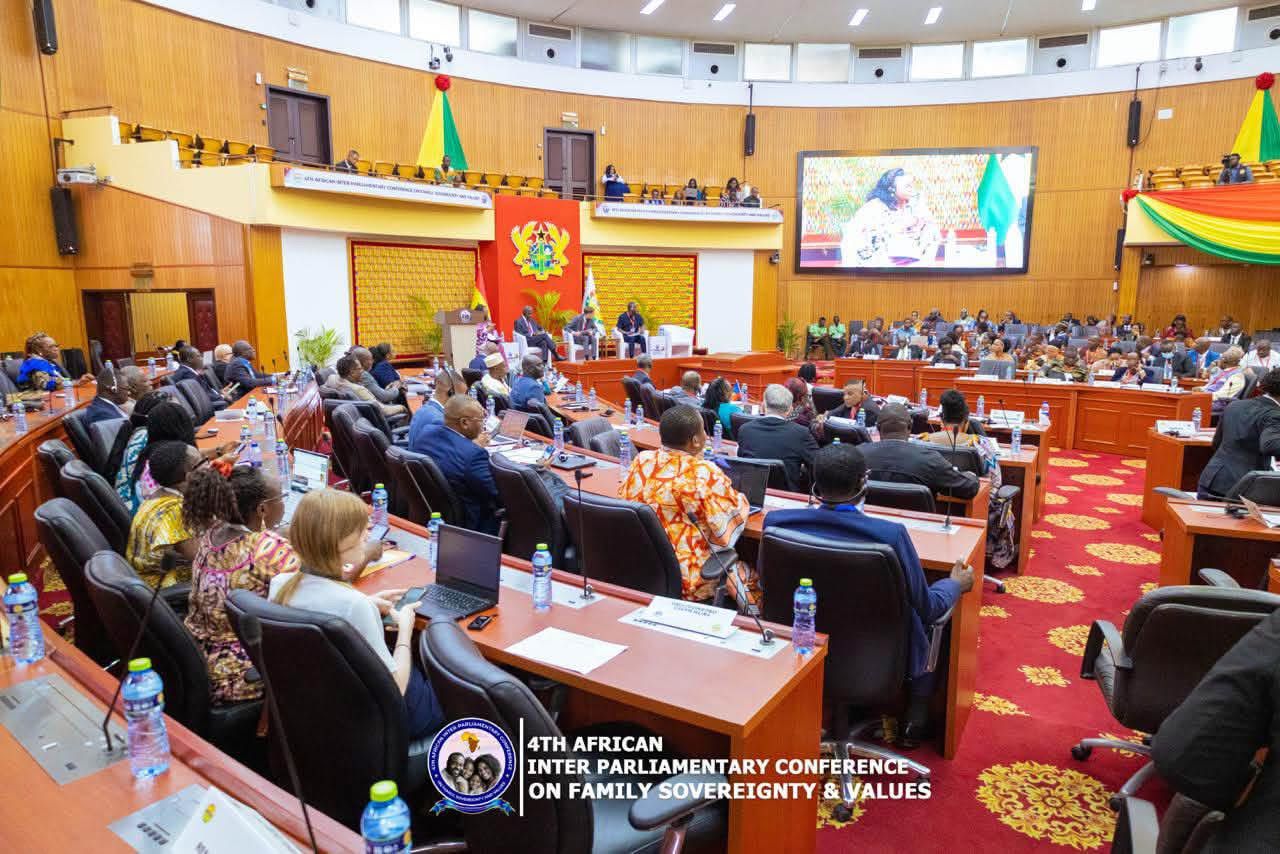
The conference, which concluded in Accra under the theme “African Family Values and the Sovereignty of African States,” was spearheaded by prominent dignitaries, including the Speaker of Ghana’s Parliament, Alban Bagbin.
However, human rights defenders warn that beneath the veneer of cultural sovereignty lies a dangerous cross-border policy document designed to roll back decades of social progress.
A “Dangerous Charter” Targeting Vulnerable Groups
In a fiercely worded press release, the coalition, operating under the banner RHION (Refusing Harm in Our Name), slammed the event for prioritizing political ideology over the actual development and wellbeing of African citizens. According to RHION, the conference’s primary focus was securing endorsements for a new cross-border “Charter” that directly targets women, children, and minority groups.
“These conversations, rather than centering on the continent’s development and wellbeing, prioritized securing the acceptance and endorsement of this harmful cross-border policy document by African states,” the coalition stated. “[We] vehemently condemn the conference for its focus on promoting a charter that seeks to roll back the rights of women, sexual and reproductive health and rights, and minority groups”.
The coalition further argued that the proposed document ironically reproduces colonial rhetoric by forcing a single, homogenized view of African culture onto a deeply diverse continent. By doing so, RHION claims, a small group of policymakers is attempting to dictate how Africans should organize both their public institutions and private lives.
“Nothing Un-African About Rights”
RHION strongly rejected the notion that human rights and bodily autonomy are concepts foreign to the continent, pointing to Africa’s rich history of liberation movements and struggles against oppression. They warned that the new charter seeks to erode critical protections already guaranteed by landmark regional frameworks, such as the Banjul Charter and the Maputo Protocol.
The coalition stated:
“There is nothing un-African about rights and freedoms, nor about states ensuring that all people within their territories can live in dignity, safety, freedom, and abundance. We cannot allow a handful of individuals meeting behind closed doors to dismantle the systems, institutions, and protections that generations of Africans fought for and continue to defend”.
RHION pushed back against the narrow definitions of family being promoted at the conference, noting that authentic African families are dynamically shaped by “histories of communal care, survival, kinship, migration, faith, and coexistence”.
“No political gathering should have the power to determine which people or families deserve dignity, legitimacy, or protection,” the release noted.
A Call to Resistance
Warning that the proposed charter poses a “serious threat to development, human rights, and democratic institutions across Africa,” RHION issued an urgent call to action for governments and citizens alike.
The coalition explicitly called on the government of Ghana, as the host nation, and all other African states to refuse to legitimize the document through any formal or informal negotiations, endorsements, or commitments.
“We call on African governments, civil society organizations, engaged citizens, media institutions, and the broader public to critically examine the long-term implications of the proposed ‘Charter’ and resist efforts to make them complicit in shrinking rights, expanding surveillance, and erasing Africa’s cultural, social, and political diversity under nefarious pretexts”.
As the conference wraps up in Accra, the spotlight now turns to regional civil society groups and international observers to see how heavily this controversial charter will be resisted across the continent.
