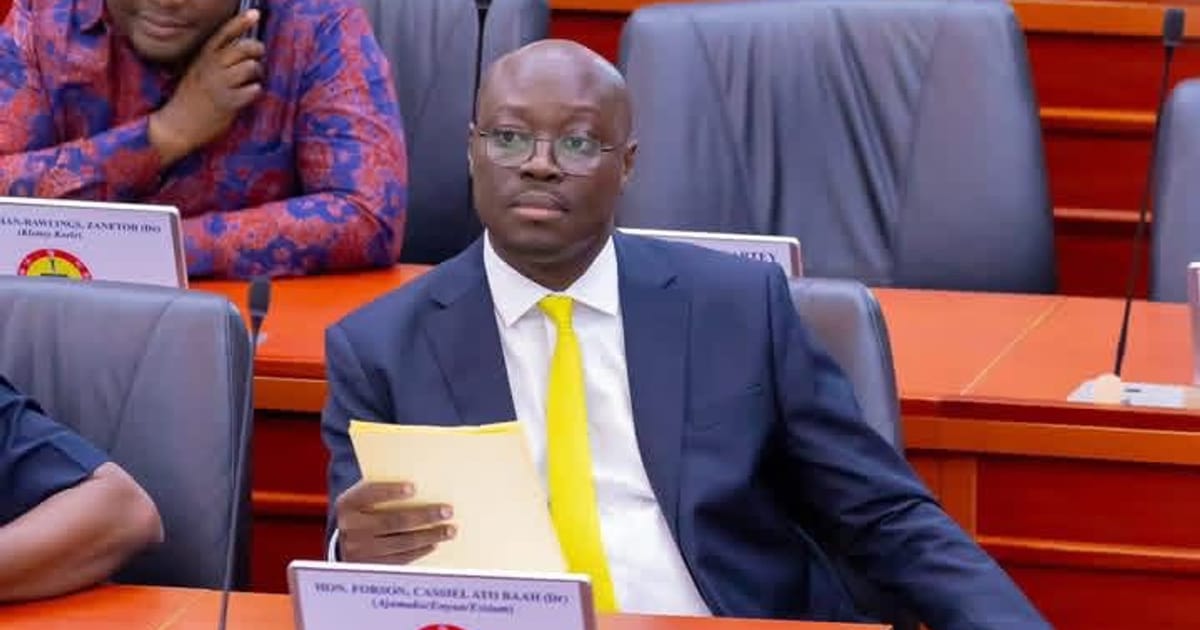
In a major statutory move toward total fiscal openness and institutional transparency, the Minister for Finance, Dr. Cassiel Ato Forson, has formally presented four critical accountability documents to Parliament.
The comprehensive legislative submissions, which span energy levy management, state petroleum revenue distributions, and broader macro-fiscal performance records, outline how billions of cedis in public funds were collected, ring-fenced, and utilized over the past fiscal cycle.
The presentation satisfies crucial provisions of the Public Financial Management Act (PFMA) and the Petroleum Revenue Management Act (PRMA). State actors point to the delivery as definitive proof that the government is anchoring its ongoing economic reset in raw data and absolute compliance.
Auditing the energy lifelines: ESLA under scrutiny
Among the core documents tabled before the house, the 2025 Energy Sector Levies Act (ESLA) Report captured the immediate attention of lawmakers. The detailed text outlines the exact breakdown of revenues collected through downstream petroleum taxes and shows how those funds were distributed to amortize legacy energy sector debts, fund legacy generation shortfalls, and support primary power sector entities.
Addressing parliamentarians during the presentation, Dr. Ato Forson emphasized that keeping the public and lawmakers fully informed on energy fund flows is non-negotiable for sustaining private investor confidence in Ghana’s utility grid.
“We are placing these four key fiscal and energy reports before this august house because the era of managing public funds in opacity is permanently over,” Dr. Ato Forson declared from the chamber floor. “The 2025 ESLA report, in particular, provides a transparent window into how petroleum tax revenues were used, especially regarding our energy sector debt recovery strategies. Every cedi collected at the pumps must be accounted for, tracked, and channeled explicitly toward clearing state liabilities and stabilizing our national power infrastructure.”
Tracking oil wealth and fiscal guardrails
Beyond the energy levies, the Ministry of Finance concurrently presented the Annual Report on the Petroleum Funds, giving legislators a detailed look into the state’s oil windfalls. The report tracks allocations made into the Ghana Stabilization Fund (GSF) and the Ghana Heritage Fund (GHF), demonstrating how the sovereign wealth vaults are being guarded to shield the nation against future global commodity price shocks.
The Minister explained that rigorous compliance with the PRMA ensures that current natural resource windfalls directly build capital assets rather than funding recurrent administrative expenses.
“Our natural resources belong to the people of Ghana, both present and future generations,” the Finance Minister stated during his briefing to the house. “By laying these statutory petroleum reports bare before the representatives of the people, we are demonstrating exactly how our oil proceeds are being managed. We have aligned these flows with strict fiscal discipline to ensure that resource wealth directly backs long-term infrastructure, secures our sovereign buffers, and minimizes any need for future external borrowing.”
Lawmakers and civil society demand rigid oversight
The formal presentation of the four reports has triggered intense discussion among parliamentary committees, with members from both sides of the aisle preparing to dive into the technical annexes for deeper committee scrutinization. Minority and majority members alike agreed that the timely submission of these documents gives the legislature the analytical power to perform its constitutional oversight duties effectively.
A leading member of the Mines and Energy Committee observed that having access to verified, audited expenditure data prevents political speculation and grounds national policy debates in facts.
“We highly welcome the timely submission of these four crucial energy and fiscal reports by the Finance Ministry,” the committee member remarked outside the chamber. “Parliament cannot exercise its oversight functions blindly. With the ESLA and petroleum funding data now officially before us, we can meticulously verify whether the allocations match the budgetary targets approved by this house. This is a victory for institutional accountability, and we will ensure these documents are thoroughly audited at the committee level.”
With the reports now officially handed over to the Clerk of Parliament, the various select committees have been mandated to review the text and present finalized assessment briefs to the plenary floor within the coming legislative weeks, solidifying the state’s post-IMF commitment to data-driven fiscal discipline.
Leave a Reply