

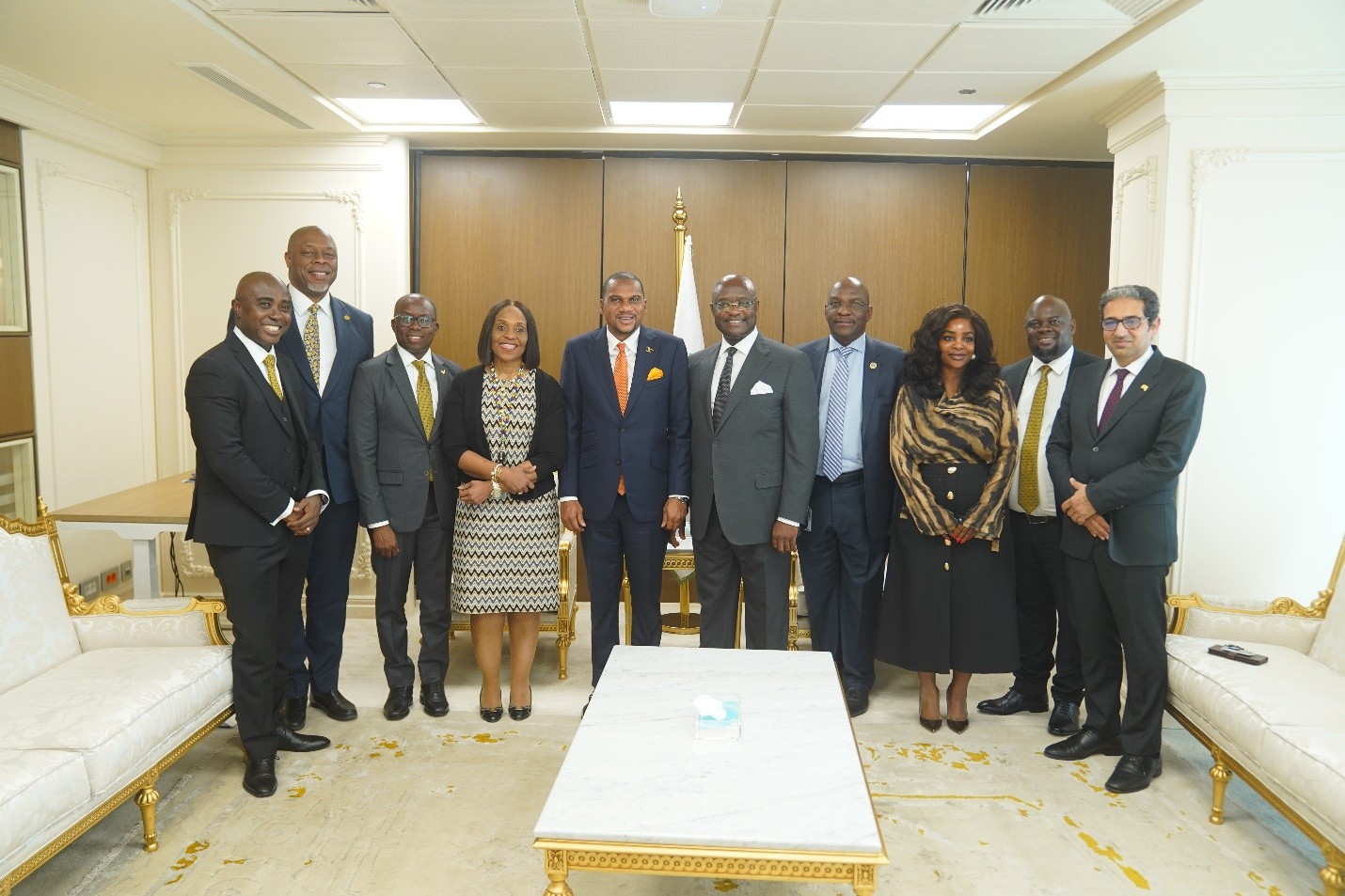
In a major move toward deepening regional trade integration and reducing dependency on third-party foreign currencies, Ghana’s indigenous financial heavyweight, GCB Bank PLC, has formally joined a strategic continental coalition to strengthen Africa’s cross-border payment landscape.
The partnership is centered on scaling the deployment of the Pan-African Payment and Settlement System (PAPSS). The platform allows African businesses to settle cross-border commercial transactions instantly using their respective local currencies, bypassing the costly and time-consuming multi-currency clearing routes that have historically hampered intra-continental trade.
Dismantling the financial barriers to intra-African trade
For decades, an enterprise in Accra looking to import raw materials or finished inventory from a supplier in Nairobi or Cairo had to convert Ghanaian cedis into US dollars or euros first. This multi-layered process often required international correspondent banks to clear the transactions, adding steep foreign exchange conversion fees and dragging out settlement timelines for days.
By integrating GCB Bank’s expansive domestic network with PAPSS, corporate entities, small-scale traders, and cross-border merchants can now execute direct cedi-to-shilling or cedi-to-pound transfers instantaneously.
Speaking on the strategic importance of the rollout, a senior executive director of corporate banking at GCB Bank PLC emphasized that the initiative directly supports the operational goals of the African Continental Free Trade Area (AfCFTA).
“Our integration with the Pan-African Payment and Settlement System marks a defining moment for GCB Bank and our trading clientele,” the executive stated. “Africa cannot achieve genuine economic integration if our payment systems remain siloed and dependent on external currencies. By allowing a Ghanaian merchant to buy goods across borders using the cedi, while the recipient receives payment in their local currency, we are removing friction, lowering transactional overheads, and directly boosting the competitiveness of made-in-Africa goods.”
Relieving pressure on national foreign exchange pools
Beyond simplifying individual merchant transactions, macroeconomists point out that widespread adoption of localized settlement architectures will provide much-needed defensive support to African central bank reserves. By eliminating the necessity of the US dollar for intra-continental trade, states can preserve their hard currency reserves for essential global debt obligations and critical industrial imports.
Addressing a regional trade finance forum, a financial analyst specializing in West African banking systems observed that GCB Bank’s massive market share makes it an ideal driver for this monetary transition.
“When a tier-one financial institution like GCB Bank puts its weight behind a system like PAPSS, it creates a massive network effect,” the analyst explained. “This is not just about convenience for shipping companies; it is a vital structural tool to ease the constant, cyclical pressure on our national foreign exchange markets. The less we rely on third-party currencies to trade amongst ourselves as Africans, the more stable our domestic currencies will become over the long term.”
Trading communities applaud the lower cost of commerce
The rollout has been warmly welcomed by local industrial unions and cross-border trading groups, who have long complained about volatile exchange rates eating into their slim profit margins. Importers note that removing intermediary clearing channels will significantly lower the cost of doing business within the sub-region.
“We highly commend GCB Bank for stepping into this continental payment framework,” a representative from the national cross-border traders association remarked. “Our members have suffered heavily from sudden currency devaluations while waiting days for international bank transfers to clear. Instant, local-currency settlement means our capital works faster, our supply chains stay moving, and we can buy directly from our neighbors without losing money to foreign exchange middlemen.”
With GCB Bank currently initiating customer onboarding phases and rolling out dedicated digital interfaces across its branches, trade ministry officials express optimism that this synchronized push will rapidly accelerate Ghana’s position as a core logistics hub within the expanding pan-African free trade market.
