
By Adnan Adams Mohammed
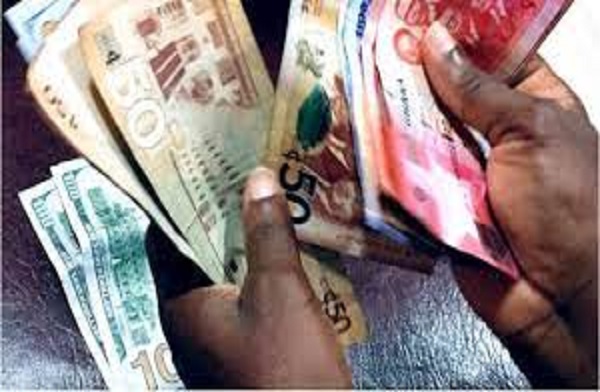
The Ghana Cedi has recorded its strongest first-quarter performance in half a decade, signaling a significant turnaround from the debt-crisis lows of previous years.
However, the newfound stability is drawing warnings from financial experts who argue that a stronger currency may be a double-edged sword for the nation’s industrial ambitions.
According to recent market data, the cedi fell only 4.4% against the dollar in the first three months of 2026, closing March at GH¢10.98. This represents the lowest Q1 loss captured in six years, a stark contrast to the 20.6% plunge seen during the height of the fiscal crisis in early 2022.
The recovery has been bolstered by an International Monetary Fund (IMF) program, successful debt restructuring, and a massive surge in gold export earnings, which reached US$20 billion in 2025.
The “import mentality” risk
While the government and many consumers welcome the stability, Dr. Richmond Atuahene, a prominent financial analyst, has warned that the strengthening cedi could be inadvertently “hurting” the country’s export sector.
Speaking on the Citi Breakfast Show, Dr. Atuahene argued that a stable cedi reinforces a systemic “import mentality” that makes it cheaper to bring in foreign goods than to produce them locally.
“Anytime the cedi stabilises, the export sector suffers,” Dr. Atuahene noted. “The reason is that if the cedi is GH¢10 to $1 and I export and I come back with the same GH¢10, then what is the aim of exporting rather than importing?”
He further cautioned that the current economic environment continues to favor importers at the expense of local manufacturers. “We need to see that if we use an export methodology instead of an import methodology, people will not be dwelling too much on inflation. We import literally everything, even things we can grow here,” he added.
Macroeconomic gains
Despite these concerns, the broader macroeconomic indicators show signs of cooling. Inflation dropped to 3.2% in March 2026, and the Bank of Ghana has responded by cutting the Monetary Policy Rate by 400 basis points in the first quarter alone.
Analysts at Black Star Group and Databank Research project the cedi will remain relatively resilient, ending the year in the GH¢12.60–12.85 range. While this would be a slight dip from current levels, it remains nearly 17% stronger than the GH¢15.53 rate seen in early 2025.
A call for structural shifts
The debate now shifts to how Ghana can utilize this period of stability. Dr. Atuahene highlighted the recent rise in remittances as a missed opportunity, suggesting that these funds should be used to expand export capacity rather than fueling the demand for imports.
“The president himself mentioned that remittances have risen significantly. But instead of expanding the base of exports, we are expanding the base of imports. So importers are happy, and are winning, at the detriment of exporters,” Atuahene stated.
As the cedi maintains its strongest footing in years, the government faces the challenge of balancing exchange rate stability with the need to incentivize a “Made in Ghana” economy that can withstand future global shocks.
