
By Adnan Adams Mohammed
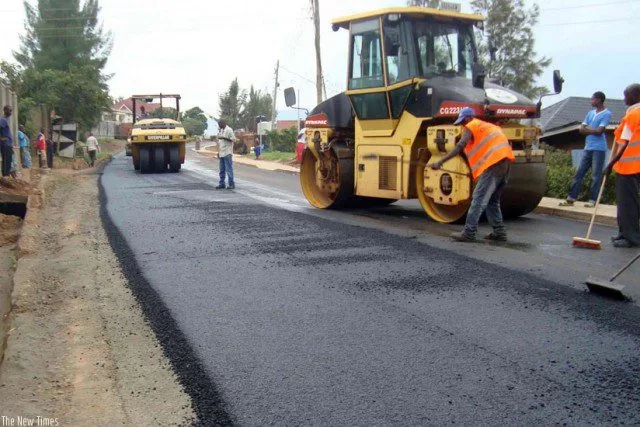
The Public Interest and Accountability Committee (PIAC) has disclosed that approximately $434 million in oil revenue has been allocated to the government’s ambitious “Big Push” infrastructure programme.
However, the spending is facing intense scrutiny as the Ghana Institution of Engineering (GhIE) calls for an immediate independent audit of the GH¢110 billion initiative.
Oil Revenue Fueling Infrastructure
In its latest report on the management and use of petroleum revenues, PIAC revealed that the “Big Push” a massive infrastructure development agenda aimed at debottlenecking Ghana’s road networks has become a primary beneficiary of the Annual Budget Funding Amount (ABFA).
According to PIAC, the $434 million allocation represents a significant portion of the oil funds earmarked for capital investment. The committee noted that while the infrastructure development is necessary for economic growth, the concentration of funds into these specific projects requires heightened transparency to ensure value for money.
Engineers Raise Red Flags
The revelation of the funding scale has triggered a sharp reaction from the Ghana Institution of Engineering (GhIE). The professional body is demanding a comprehensive, independent technical and financial audit of the GH¢110 billion road programme.
The GhIE expressed concerns over the selection process for projects, the cost-per-kilometer of the roads being constructed, and the overall quality of the work delivered so far.
“We need to ensure that the Ghanaian taxpayer and our natural resources are being utilized efficiently,” a spokesperson for the GhIE stated. “An independent audit will provide the technical assurance that the designs are robust and that the costs allocated align with international engineering standards.”
Calls for Accountability
The convergence of PIAC’s financial reporting and GhIE’s technical concerns has sparked a broader debate regarding the governance of “Year of Roads” projects. Civil society organizations have joined the call, urging the Ministry of Roads and Highways to publish a detailed breakdown of the “Big Push” expenditures.
PIAC has consistently cautioned against the “thin spreading” of oil revenues, but the “Big Push” represents a departure from that trend, focusing massive capital on specific corridors. The committee reiterated that while the scale of the investment is impressive, the impact must be felt in the lifespan and quality of the roads produced.
Government Response
While the Ministry of Roads and Highways has previously defended the “Big Push” as a transformative strategy to modernize Ghana’s transit system, it has yet to formally respond to the GhIE’s demand for an independent audit.
As the 2024 election cycle approaches, the performance of the road sector remains a high-stakes issue for the government, with the “Big Push” serving as a centerpiece of its development narrative.
For now, the focus remains on whether the government will open its books and construction sites to third-party evaluators to satisfy the growing demands for accountability in the use of Ghana’s “black gold.”
