
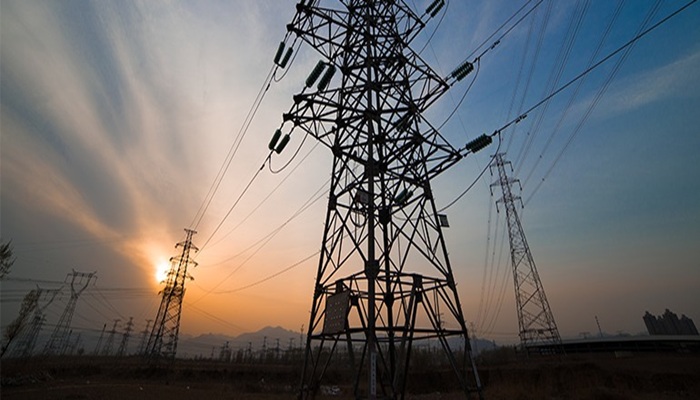
Ghana’s 2026 budget has been hailed as a step in the right direction, with the country making significant strides towards macroeconomic stability.
However, a closer look at the energy sector reveals a different story. Despite the government’s efforts to address the sector’s challenges, the budget falls short in providing a comprehensive solution to the country’s energy woes.
The Africa Sustainable Energy Centre (ASEC) has raised serious concerns about the budget, warning that the energy sector remains burdened by long-standing structural weaknesses that threaten fiscal stability. One of the major concerns is the lack of accountability measures in the GH¢20 billion allocated to the energy sector. The allocation lacks clear, performance-based accountability measures, risking an annual bailout rather than driving sector reform.
The government’s proposal to revise the investment policy of the Ghana Petroleum Funds has also been criticized. The move could expose Ghana to unnecessary fiscal risk and undermine the purpose of the sovereign wealth framework. Furthermore, the plan to construct a 1,200MW state-owned thermal plant in 2026 has been questioned, with critics arguing that it could repeat past mistakes, leading to over US$1.4 billion in excess capacity payments.
The underutilisation of petroleum revenues is another concern. Only 0.43% of the US$290 million available through the Annual Budget Funding Amount (ABFA) had been spent as of September 2025, weakening investor confidence and delaying progress under the US$10 billion Big Push Programme.
Experts have called for reforms in the energy sector, including the implementation of a performance-based Cash Waterfall Mechanism (CWM) to ensure efficient revenue management. They also recommend prioritizing renewable energy and smart infrastructure to diversify Ghana’s energy mix and improve energy efficiency.
The 2026 budget’s shortcomings in the energy sector are concerning, and it’s crucial for the government to revisit and revise its energy strategy to ensure sustainable growth and development.
As Adnan Adams Mohammed, a financial and economic journalist and author of this feature article puts it, “The budget falls short in addressing the country’s energy challenges, and it’s time for the government to take a more proactive approach to reforming the energy sector.”
The government must take concrete steps to address the concerns raised by ASEC and other stakeholders. This includes tying the GH¢15.2 billion allocation for shortfalls to specific quarterly loss-reduction targets for the Electricity Company of Ghana (ECG), accelerating private-sector participation reforms, and protecting the mandate of the Ghana Petroleum Funds.
The energy sector is a critical component of Ghana’s economy, and it’s essential that the government gets it right. With the right reforms and investments, Ghana can achieve sustainable energy security and drive economic growth.
By Adnan Adams Mohammed
