

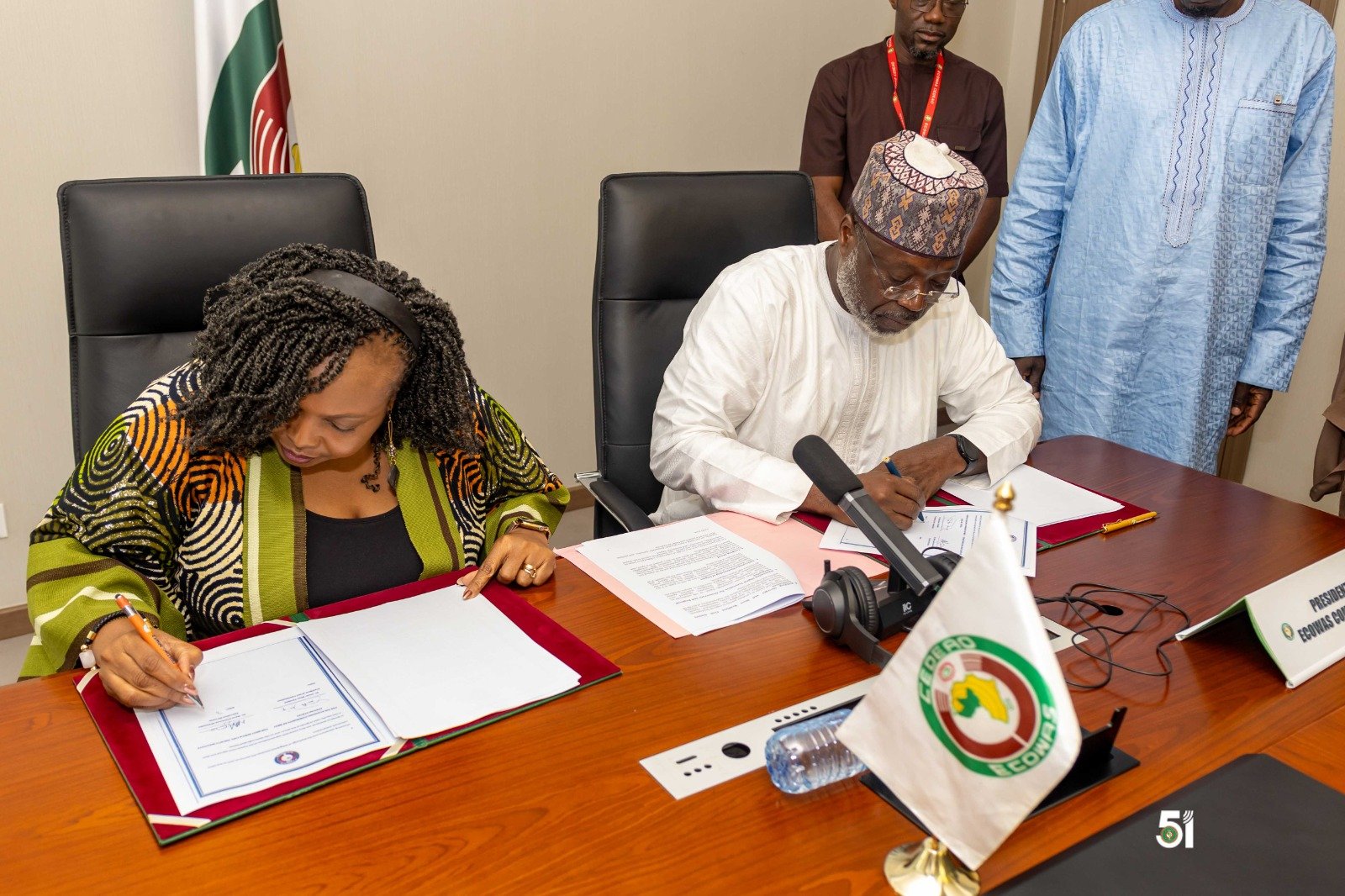
ABUJA, NIGERIA — In a major step toward building a more inclusive and resilient West Africa, the ECOWAS Commission has officially reinforced its commitment to citizen-centred regional integration by signing a landmark Memorandum of Understanding (MoU) with the West Africa Civil Society Institute (WACSI).
The historic agreement was signed on Friday, July 3, 2026, at the newly inaugurated ECOWAS Commission Headquarters in Abuja, Nigeria. The pact was formalized by the President of the ECOWAS Commission, Dr. Omar Alieu Touray, and the Executive Director of WACSI, Dr. Nana Asantewa Afadzinu.
A Strategic Alliance for Vision 2050
According to official statements, the MoU represents far more than a routine formal agreement between the two institutions. It reflects a deeply rooted, shared commitment to strategic partnership, constructive dialogue, and collective action aimed at advancing peace, democracy, and prosperity across the sub-region.
By institutionalising this collaboration, ECOWAS and WACSI have established a robust framework for engagement that will significantly enhance cooperation on key regional priorities.
“This partnership underscores the Commission’s unwavering commitment to placing citizens at the heart of regional integration,” an ECOWAS representative noted during the ceremony.
The initiative directly aligns with the aspirations of the ECOWAS Vision 2050, the bloc’s sweeping roadmap aimed at transforming West Africa into a more united, peaceful, inclusive, and prosperous community.
Bridging the Gap Between Policy and People
For years, critics have called for stronger bridges between regional governance bodies and the grassroots populations they serve. This new alliance with WACSI a leading civil society capacity-building institute is expected to bridge that gap.
The framework will allow both organizations to leverage their unique strengths to:
● Foster democratic governance and civic space.
● Enhance peace and security mechanisms through community engagement.
● Drive socio-economic development that directly benefits West African citizens.
As West Africa navigates complex political and economic landscapes, this institutionalized cooperation signals a progressive shift toward a “people-focused” diplomatic strategy, ensuring that the voices of civil society actively shape the region’s future.
