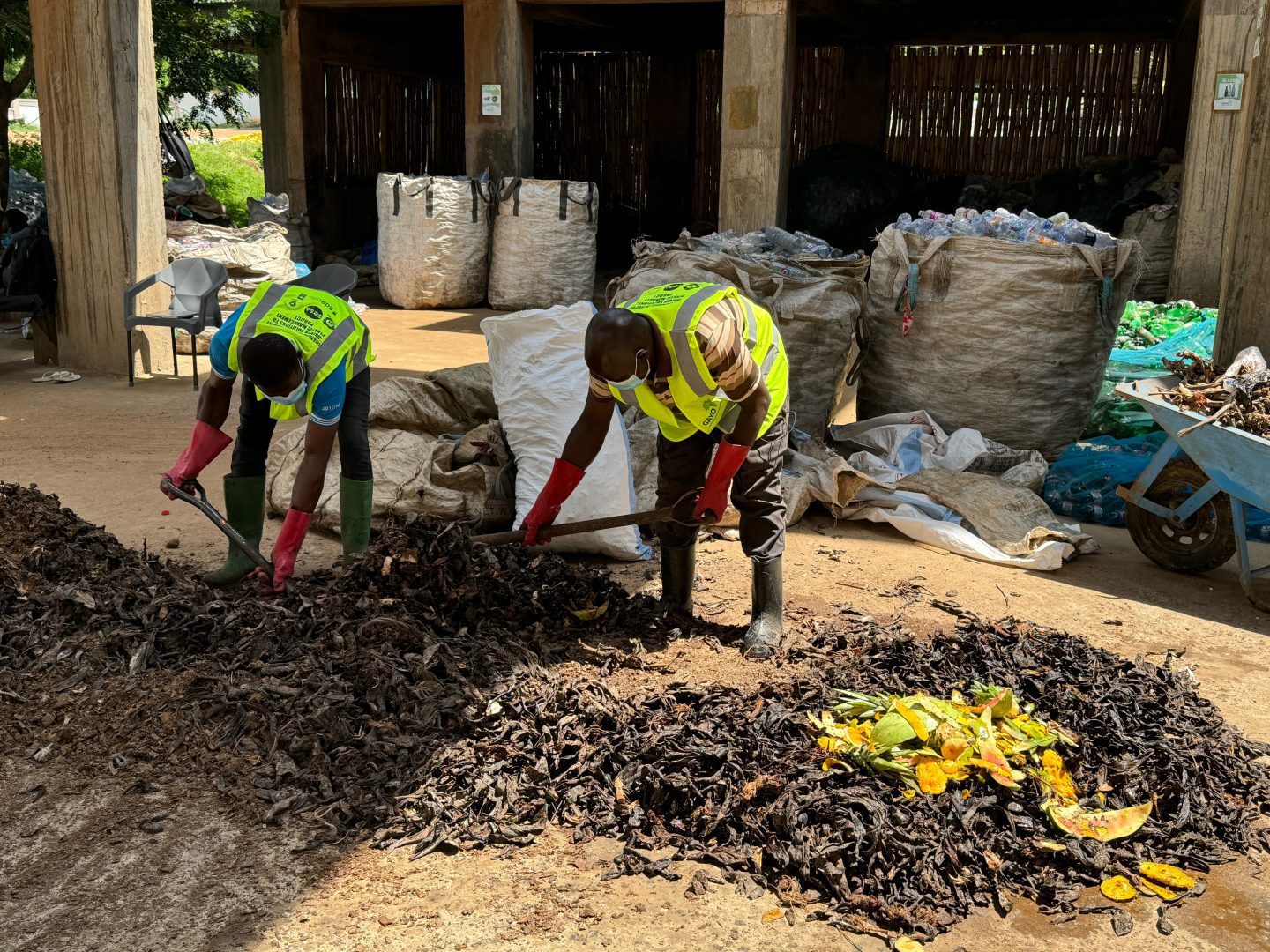
In a major step toward climate resiliency and sustainable urban living, the City of Accra has launched an ambitious “LOW-Methane Portfolio” aimed at slashing methane emissions from its waste sector by at least 30 percent by the year 2030.
The comprehensive roadmap aligns the Ghanaian capital with the country’s targets under the Global Methane Pledge and its Nationally Determined Contributions (NDCs).
Beyond lowering global warming potential, the policy is designed to catalyze a transition toward a zero-waste economy, improve public health, and create thousands of local green jobs.
Driving the Zero-Waste Transition
The strategic portfolio was co-developed with key technical support from the Green Africa Youth Organization (GAYO), the Global Alliance for Incinerator Alternatives (GAIA), and C40 Cities.
According to data from municipal authorities, Accra generates approximately 3,000 metric tons of waste daily, with organic matter making up nearly half of the entire stream. When left to rot in packed landfills, this organic waste releases methane a potent greenhouse gas that traps significantly more atmospheric heat than carbon dioxide over a short-term horizon.
To tackle this, the newly unveiled roadmap anchors on three central pillars:
● Source Separation: Achieving at least a 50 percent citywide rate of separating organic waste right at the source by 2030.
● Diversion and Infrastructure: Establishing decentralized organic waste management networks to divert at least 30 percent of food and organic matter away from landfills by 2040, routing it instead toward compost production and biogas utilization.
● Public Data and Awareness: Launching widespread educational campaigns on the environmental impact of food waste while strengthening monitoring frameworks to measure progress.
Empowering Informal Waste Pickers
A key hallmark of the strategy is its strong focus on social inclusivity. Speaking on the roadmap, GAYO representative Desmond Attakpah emphasized that the informal labor force must not be left behind in the city’s green evolution.
“At the core of this transition is recognizing waste pickers as essential actors in implementation,” Attakpah noted. “Their knowledge, labor, and leadership must be fully integrated into how Accra reduces organic waste from landfills, strengthens resource recovery, and delivers measurable methane reductions.”
A Model for African Cities
By enacting practical, locally rooted zero-waste solutions, city authorities are positioning Accra as an emerging leader in urban climate action across the African continent.
The portfolio provides a structured framework designed to attract deeper collaborations and sustained investments from international development partners, philanthropic organizations, and private sector investors looking to back tangible, scalable climate actions.
With cleaner air, enhanced soil fertility from local composting, and robust waste-to-energy pathways on the horizon, Accra’s new roadmap proves that local governments can turn global climate targets into meaningful, everyday realities for their citizens.
Leave a Reply