
By Adnan Adams Mohammed
In a major step toward strengthening regional security and advancing West African integration, the ECOWAS Commission is convening a high-level Media Sensitization Workshop today, Tuesday, May 26, 2026, at the Tang Palace Hotel in Accra.
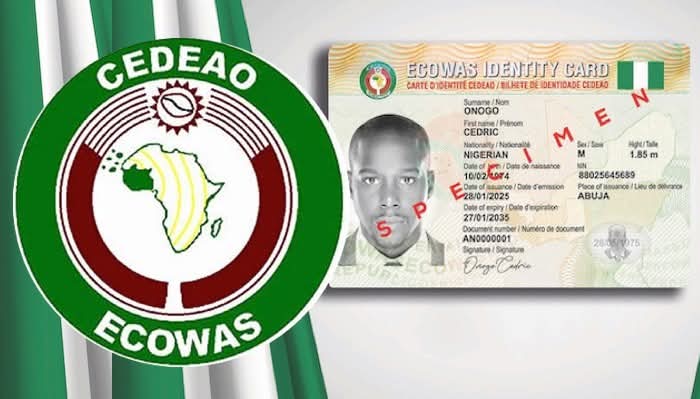
The workshop aims to equip journalists and media practitioners with the necessary knowledge and tools to report accurately on the implementation of the ECOWAS National Biometric Identity Card (ENBIC). By building a strategic network of media partners, regional authorities hope to foster public trust, raise widespread awareness, and combat misinformation surrounding the initiative.
Fostering Free Movement and Regional Security
The introduction of the ENBIC stands as a core priority originally agreed upon by the Authority of Heads of State and Government during the 46th ECOWAS Ordinary Summit. Designed as an official travel document, the biometric card is engineered to promote regional integration and facilitate the Protocol on the Free Movement of Persons.
Beyond enhancing economic and social mobility for citizens, the ENBIC framework aims to:
Strengthen the regional security architecture.
Mitigate irregular migration.
Tackle trans-border crimes.
Enhance the overall integrity, reliability, and interoperability of identity management systems across Member States.
The Strategic Role of the Media
Recognizing that public acceptance hinges on accurate information, the ECOWAS Commission has mandated targeted advocacy initiatives. Media professionals from print, broadcast, and online platforms are joining border management experts and ministry officials for the interactive sessions.
The workshop will specifically address critical implementation processes, timelines, and institutional roles, while providing a dedicated platform to discuss sensitive issues such as privacy, data protection, and security safeguards.
Workshop Agenda & Program Highlights
The day’s program features technical presentations, interactive question-and-answer segments, and strategic strategy sessions:
Morning Session: Following registration and opening statements from the ECOWAS Directorate of Free Movement of Persons, Migration and Tourism alongside the Ghana Immigration Service (GIS), ECOWAS technical experts will deliver a comprehensive overview of the ENBIC’s features, objectives, and implementation roadmap.
Afternoon Session: The Ghana Immigration Service will present a detailed look at internal processes, focusing on the issuance, control, and application procedures within Ghana.
Plenary & Strategy: The Media Foundation for West Africa will lead a session exploring the critical role of journalists in driving public awareness. The afternoon will close with an open plenary allowing journalists to voice anticipated challenges and gaps in information dissemination, culminating in a joint list of strategic recommendations.
Through this collaborative forum, implementing agencies and West African media houses aim to forge a lasting partnership that ensures the smooth, secure, and well-understood rollout of the ENBIC across the sub-region.
