
Ghana’s government is taking steps to accelerate the country’s transition to clean and modern transport systems by reviewing tax incentives and duty structures on electric vehicles (EVs).
The Energy Ministry is engaging with private sector stakeholders to identify gaps in the current regime and create a policy environment that supports affordability, investment, and wider adoption of electric mobility.
This forms part of government plans to make EVs more accessible and attractive, align Ghana’s EV framework with its broader energy transition agenda and create a policy environment that supports affordability, investment, and wider adoption of electric mobility
Deputy Energy Minister Dr. Richard Gyan-Mensah emphasized the importance of this review, stating, “We are in continuous dialogue with the private sector to identify gaps in the current duty and tax regime.” Deputy Transport Minister Dorcas Toffey added, “The EV transition is not just a trend, it’s a necessary shift for a safer, greener, and more sustainable transport sector.”
Private Sector Support:
The private sector is ready to invest in EV adoption, but needs stronger government backing. Lesley Arthur, CEO of Cubica Energy, stated, “The private sector is ready and willing to invest, but we need deliberate government backing. From incentives to infrastructure, the right support will significantly speed up EV adoption in Ghana.”
Challenges and Opportunities:
Meanwhile key challenges exist and these include: Charging infrastructure gaps; Financing models; and energy reliability, innovation in driving clean transport solutions.
The Chief Executive Officer of Cubica Energy, Lesley Arthur, has welcomed the government’s ongoing engagement with industry players on electric mobility but says stronger support is needed to accelerate nationwide adoption of electric vehicles (EVs).
Speaking at the ERA EV Conference in Accra, she described the private sector as a “critical driver of EV penetration” and stressed that businesses are prepared to make significant investments if government creates the right enabling environment.
“The private sector is ready and willing to invest, but we need deliberate government backing. From incentives to infrastructure, the right support will significantly speed up EV adoption in Ghana” she said
She further noted that while recent government efforts to review tax incentives and duty structures for EVs are encouraging, more targeted policies and long-term commitments are required to reduce market risk and boost investor confidence.
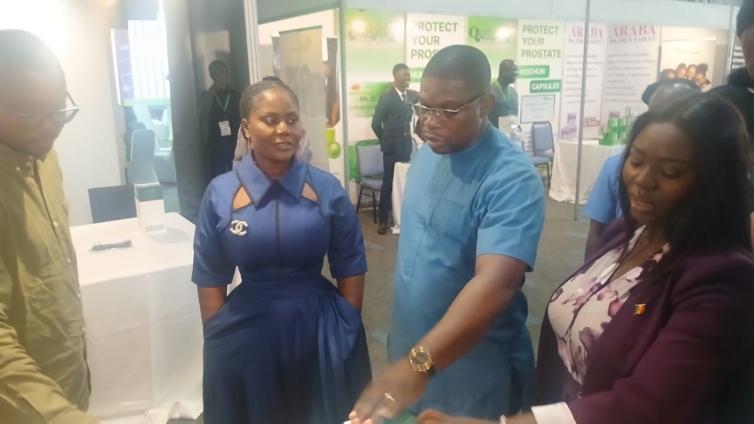
The ERA EV Conference brought together policymakers, technology providers, energy firms, transport operators and development partners to explore opportunities, challenges and the future direction of Ghana’s electric mobility ecosystem. Participants discussed issues including charging infrastructure gaps, financing models, energy reliability, and the role of innovation in driving clean transport solutions.
She reaffirmed Cubica Energy’s commitment to supporting Ghana’s transition to sustainable mobility, emphasising that collaboration between the public and private sectors will be key to unlocking the country’s EV potential.
By Adnan Adams Mohammed
