
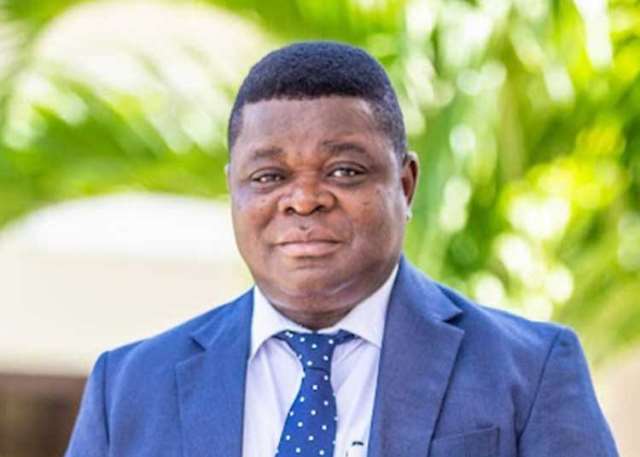
The former Director of the Institute of Statistical, Social and Economic Research (ISSER), Professor Peter Quartey, is urging the government to strike a careful balance between reducing inflation and sustaining economic growth.
Speaking at the launch of the State of the Ghanaian Economy Report in Accra, Professor Quartey cautioned that while efforts to bring down inflation are crucial for macroeconomic stability, an overly aggressive monetary tightening could have unintended consequences for job creation and business expansion.
“We must be careful not to pursue lower inflation at the expense of growth and employment. Policies should support price stability, but also create space for businesses to thrive and for the economy to grow sustainably”, he said.
His comments come after the Governor of the Bank of Ghana, Dr. Johnson Asiama, said inflation is expected to further drop by year end.
Speaking at the launch of the Cedi@60 celebrations in Accra, he said headline inflation has dropped sharply to 9.4% as of September 2025, down from 23.5% at the start of the year — marking the first return to the central bank’s medium-term target band of 8±2 percent in four years.
“Headline inflation has dropped sharply to 9.4% as of September 2025, returning to the target range for the first time in four years — and we expect it to end the year even lower,” Dr. Asiama noted.
He attributed the decline to tight monetary policy, fiscal consolidation, and the cedi’s strong performance, which has appreciated by over 37% against the U.S. dollar this year — making it the best-performing currency in Sub-Saharan Africa, according to the World Bank.
Dr. Asiama noted that Ghana’s current trajectory reflects a decisive turnaround from late 2022, when inflation surged to over 54%, one of the highest globally at the time.
“We have turned the corner, but sustaining this progress will require continued discipline and policy coordination. We must protect the gains we have made,” he added.
The central bank reaffirmed its commitment to maintaining a stable exchange rate, anchoring inflation expectations, and supporting Ghana’s broader economic recovery.
Professor Quartey acknowledged the central bank’s progress in stabilising prices but emphasised the need for a coordinated fiscal and monetary approach that supports productive sectors of the economy.
“Inflation management should go hand-in-hand with measures that stimulate investment, enhance productivity, and promote job creation,” he added.
The State of the Ghanaian Economy Report, an annual publication by ISSER provides comprehensive analysis of key economic indicators, policy developments, and sectoral performance.
This year’s report highlights Ghana’s steady progress in restoring macroeconomic stability while underscoring the challenges of sustaining inclusive growth amid global and domestic pressures.
