Category: News

  • Mahama in Brussels to push for vaccine equity 

    “President John Mahama praised for steering early economic recovery in his first 120 days in office.”

    President John Dramani Mahama has embarked on a pivotal diplomatic mission to Brussels, Belgium, where he will ardently champion the GAVI Alliance’s crucial vaccine replenishment endeavors as a distinguished advocate and ambassador.

    In a statement issued by the Presidential Spokesperson, Felix Kwakye Ofosu, it was revealed that President Mahama will participate in the prestigious Global Summit on Health and Prosperity through Immunisation, a landmark event co-hosted by the European Union, the Bill and Melinda Gates Foundation, and the GAVI Vaccine Alliance.

    The summit’s paramount objective is to mobilize tremendous support for Gavi’s ambitious 2026-2030 strategic framework, which aims to immunize a staggering 500 million additional children, safeguard over 8 million lives, and preclude up to 150 debilitating disease outbreaks, thereby yielding an estimated $100 billion in economic benefits.

    Drawing upon his profound understanding of the transformative potency of immunization in Ghana and across the African continent, President Mahama has consistently been a vociferous proponent of a fully funded Gavi. His attendance at the summit underscores the indispensable role of global synergy in ensuring unfettered access to vaccines, particularly in resource-constrained nations.

    As aptly noted in the statement, “President Mahama firmly believes that a fully funded Gavi will save millions of lives, unlock substantial economic potential, and fortify global health security.”

    The Global Summit presents a critical juncture for securing renewed pledges from traditional and emerging donors, highlighting the proven efficacy and immense value of Gavi’s multifaceted partnerships with governments, international organizations, civil society, and industry leaders.

    Since its inception in 2000, Gavi has achieved a remarkable milestone, reaching over a billion children with life-saving vaccines, preventing an estimated 18.8 million deaths, and generating a staggering $250 billion in economic benefits for lower-income economies. During his sojourn in Brussels, President Mahama will also engage in substantive discussions with prominent leaders, including the President of the EU Council of Ministers and the visionary philanthropist, Bill Gates.


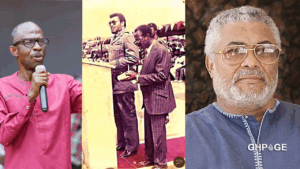
  • First Anniversary Of JJ Rawlings Day: Excerpts From National Chairman’s Speech

    Below are some key points as contained in the powerful speech delivered by Johnson Asiedu Nketiah, National Chairman of NDC:

    “The purpose of celebrating our founder JJ Rawlings is to learn from the principles he tried to put in the psychic of Ghanaians. For each day we do the celebration, we must go home with some takeaways. I want to urge the party that we should take the lead to try to define our national values – there is no country that has developed without regards for its values ”

    ” We need to ask questions, as Ghanaians, what are our aspirations, what are the things we believe in, what represent our code of conduct. It is not too late. We can look at our great leaders and the values they espouse, even if possible, let us take the debate to Parliament and define our national values to Judge our leadership and citizens. Going forward, so if you are deviating from our national values, there is something we can use to measure our conducts- that our founder JJ Rawlings espoused Probity and accountability. That it doesn’t matter where you are placed or position you occupied as a citizen, you must always remember that you must account for your stewardship how you exercise that authority”

    “Our founder was known for his punctuality : he understood time as money and would not tolerate lateness to any event ; is it too much for us to demand punctuality from our citizens?? Let us try and push punctuality into our Citzen and it will help us save a lot of money by using time ”

    ” JJ Rawlings respected time hence he would apologize to even school children when he was late to any event due to urgent circumstances : it is a value we must take home.
    “JJ espoused the value of Positive Defiance. He thought us to be defiant positively and question leadership respectfully when they are doing something wrong but they want to take us along”

    ” Whatever affects all must be decided by all – JJ held this view and he was tagged as a dictator. Before budget drafts were to be discussed at cabinet, JJ always took steps and called on market women to seek their views first. That is the man we are celebrating today”

    Bismark Kwabla Kpobi

  • Kofi Adams declares govt’s committed to revive interest in local football

    Sports Minister, Kofi Adams


    Minister of Sports and Recreation, Kofi Iddi Adams, has stated that the Government of Ghana under President John Dramani Mahama is committed to revive interest in local football.


    He made this statement while delivering his speech as a keynote speaker at the 2025 Ghana Football Awards which doubled as the seventh edition of the event.


    Arsenal and Black Stars midfielder Thomas Partey won the Men’s Player of the Year Award for the third time while Razak Simpson won the Goal of the Year and Home-Based Player of the Year Awards with James Kwesi Appiah winning the Coach of the Year Award.


    “We want to see the potential of Ghana’s football reach its highest heights. This is why under the leadership of President John Dramani Mahama, government is committed to working with stakeholders to revive interest in the local game [of football]. The local game must be revived” the Sports Minister said.


    He also acknowledged former Kumasi Asante Kotoko chairman, Herbert Mensah, for his call on football stakeholders to do more to improve the local game. Scroll down to watch video. (Click highlighted text to read full story)


  • Collateral registry: about 9k security interests are registered every week 

    BoG reports economic stability with falling inflation and rising reserves.


    Adnan Adams Mohammed


    Head of Collateral Registry Department of Bank of Ghana has indicated that the registry registers approximately 9,000 security interests every week with an average growth rate of 31.5%.


    Giving further particulars to the above figures, Fred Asiama Koranteng, in 2010, we registered 10,413 security interest registrations, but, rose to 382,215 registrations for the year 2024. Overall, as at the end of 2024, the registry had registered over 1.4 million security interests.


    This follows the announcement of the Bank of Ghana to put in place policies and regulatory reforms to strengthen the legal framework governing its Collateral Registry Department as the financial sector credit systems and management keep changing. The Bank has explained that the Collateral Registry has become an integral part of Ghana’s financial infrastructure, supporting secured lending and enhancing credit risk management.


    “This is not just a statistic”, Mr Koranteng noted at the 15th anniversary of the registry while outlining the critical role the registry has played in supporting micro, small, and medium-sized enterprises to access credit.


    “It’s the story of empowerment, of economic opportunity, and of a better future. The registry, having grown from an emerging outlet to a cornerstone of garnished credit infrastructure, has significantly contributed to the creation of an enabling environment for countless micro-, small-, and medium-sized enterprises to access credit that was once beyond their reach. For financial institutions, the registry provides a transparent and reliable platform to assess and manage credit risk,” he added.


    Meanwhile, the First Deputy Governor Dr. Zakari Mumuni, speaking on behalf of the Governor at the 15th anniversary of the registry indicated that the Bank is pursuing additional measures to improve operational efficiency within the department.


    “As we look ahead, our vision for the Registry is ambitious. We are investing in advanced technologies- including artificial intelligence, to enhance the system’s efficiency, security, and user experience. We are also undertaking policy and regulatory reforms to ensure the legal framework remains agile and responsive to the evolving credit landscape.


    “Furthermore, we will deepen partnerships – with institutions such as the Driver and Vehicle Licensing Authority (DVLA), the Office of the Registrar of Companies (ORC), the Lands Commission, the International Finance Corporation (IFC), and the Swiss State Secretariat for Economic Affairs (SECO). These collaborations will introduce global best practices and technical support to drive further impact,” he said.


    Beyond supporting formal banking processes, the Collateral Registry has expanded the frontier of financial inclusion. With the Micro, Small and Medium-Size Enterprises (MSMEs), who often lack traditional forms of collateral, can now use movable assets like stock, receivables, and tools of trade to secure credit.


    This is a significant step toward democratizing finance in Ghana. By unlocking access to credit for underserved groups, the Registry has contributed meaningfully to job creation, business resilience, and local economic growth.


    ”Fifteen years ago, access to credit in Ghana was often constrained by rigid collateral systems, fragmented legal frameworks, and limited transparency” enthused Koranteng.


    “For small business owners, access to finance was a distant hope. Today, because of the work we celebrate here, more Ghanaians can secure financing using movable assets – from vehicles to machinery to inventory. As we reflect on the journey of the Collateral Registry, it is important to recognise its role in transforming our credit market and supporting financial inclusion, especially for small and medium-sized enterprises (SMEs).”


    “More than a registry, it has become a tool of empowerment,” Dr Mumuni said.


    The Registry was established under the Borrowers and Lenders Act, 2008 (Act 773), later repealed and replaced with the 2020 Act (Act 1052). Its creation was a response to a fragmented system for secured credit, where multiple laws coexisted without offering a clear or efficient path for lenders and borrowers.


    Before its establishment in February 2010, lending was hampered by information asymmetry, limited data on collateral, and a preference for immovable assets. The lack of a streamlined framework increased risk for lenders and restricted credit access for businesses without land or buildings to pledge.


    The Collateral Registry addressed these challenges head-on. By creating a centralized platform for the registration of both movable and immovable assets, the Registry offered lenders a trusted and transparent system to assess credit risk and protect their security interests.


  • IMF okays GH¢1 Fuel Levy amidst indefinite suspension due Israel-Iran tension 

    Dr. Cassiel Ato Forson, Finance Minister


    Adnan Adams Mohammed


    Amidst the government’s decision to postpone the implementation of the controversial Energy Sector Shortfall and Debt Repayment Levy (Amendment) Bill, 2025 indefinitely, due to current tension building up between Israel and Iran, the International Monetary Fund (IMF) has described the levy as a strategic policy aligned with the country’s fiscal goals under the Extended Credit Facility (ECF) programme.


    The new levy, whose implementation date was postponed to June 16, 2025 from its initial date of June 9, to allow time for critical stakeholder consultation, especially with the Chamber of Oil Marketing Companies, will charge GH¢1.0 per litre on selected petroleum products.


    According to the government, the levy aims at addressing long-standing debt and financial shortfalls in the energy sector. However, many Ghanaians including transport operators, businesses and ordinary citizens have strongly opposed the levy, raising red flags on the grounds of no consultation and awareness education. But the IMF thinks otherwise.


    “On the fuel levy, what I can say is that this is a new measure that will help generate additional resources to tackle the challenges in Ghana’s energy sector, and it is also going to bolster Ghana’s ability to deliver on the fiscal objectives under the programme,” Julie Kozack, Director of IMF’s Communications Department said at a press briefing last week.


    “The revenue measure will play a crucial role in helping Ghana tackle structural issues in the sector while supporting broader fiscal reforms.”


    According, Richmond Rockson, the Spokesperson and Head of Communication for the Ministry of Energy and Green Transition in an interview, over the weekend, explained that the decision is influenced by recent fluctuations in global oil prices.


    Meanwhile, the Founding President of IMANI Africa, Franklin Cudjoe, has described the government’s decision to suspend the implementation of the Fuel Levy as a “sensible” and timely move, given the looming global oil price hikes driven by Middle East tensions.


    Reacting to the Ghana Revenue Authority’s (GRA) directive to indefinitely postpone the rollout of the GH¢1 per litre levy, Cudjoe said on Facebook that the government was right to step back and reassess the potential economic impact before proceeding with such a policy.Ghanaian tourism


    “As oil prices are set to rise due to tension in the Middle East, the government must assess the situation and likely impact before rolling out the GHS 1 ‘dumsor’ levy,” he wrote.


    Cudjoe further urged the government to respond to the looming crisis by fast-tracking domestic oil production, investing recent foreign exchange and gold windfalls wisely—particularly in agriculture—and recovering stolen public funds from the last eight years to reinvest in economic buffers.


    The levy has unsurprisingly drawn criticism from the Minority in Parliament, who argue that it adds to the cost burden on already struggling consumers.


    Meanwhile, the government insists the impact on consumers will be marginal, pointing to current fuel prices at the pump, which it says remain lower than in previous high-inflation periods.


    The amended Bill, passed under certificate of urgency is expected to generate an estimated GH¢5.7 billion in revenue to help sustain the energy sector deeply wallowing in a debt that has a potential to collapse the energy sector.


    However, major stakeholders have expressed disappointment at the government over immediate passage of such a Bill, which has the potential to have an overriding cost increase effect on all aspects of the economy – thereby affecting cost of living and doing business – without consultation.


    Commercial transport operators had previously threatened to embark on a nationwide strike on June 10, 2025, in protest against the newly introduced levy. According to the Ghana Private Road Transport Union (GPRTU), the decision to implement the levy was taken without adequate consultation and risks pushing many operators out of business due to rising operational costs.


    Abass Ibrahim Imoro, Public Relations Officer of GPRTU said initially during a press event while reacting to the development “We are therefore calling on the government to reverse the levy immediately and engage us and stakeholders on the way forward. In the event that our call is not heeded, we will be compelled to take industrial action and park our vehicles on June 10, 2025. We urge the government to consider the impact of the levy on the transport sector and the consequences of our action on the economy, and engage us in meaningful deliberations to help address challenges in the energy sector,”


    President John Dramani Mahama however has assured Ghanaians that the new levy will not lead to an immediate increase in fuel prices at the pump.


    “Our energy sector is saddled with over US$3.1 billion in debt, and we require an additional US$1.8 billion to ensure a continuous fuel supply for thermal power generation in the coming months,” he noted. “If we fail to act decisively, we risk a collapse that would threaten national productivity and industrial progress.”


    The President emphasised that the levy forms part of a broader, urgent strategy to rescue the country’s struggling energy sector and ensure consistent electricity supply.


    He acknowledged the concerns of Ghanaians but stressed that the decision was made after careful consideration of its potential impact on households and businesses.


    “With the recent gains in macroeconomic stability and the strengthening of the cedi, this levy is not expected to result in any immediate fuel price increases,” he said.


    “We fully understand the challenges facing citizens, and this intervention was not undertaken lightly.”


    President Mahama further revealed that the estimated GH¢5.7 billion in revenue from the levy will be strictly allocated to settling longstanding energy sector debts, financing fuel procurement, and preventing future power shortages.


    To ensure accountability, the funds will be ring-fenced, independently audited, and excluded from the Consolidated Fund. Audit reports will also be made public to enhance transparency.


    The President’s appeal has received mixed reactions from stakeholders and across social media platforms. While some have applauded the initiative as a bold and necessary step to revamp the energy sector, others remain skeptical, fearing it could eventually translate into increased costs for consumers.


    The Independent Power Generators, Ghana (IPGG), has thrown its support behind the government’s introduction of the GHc1 Energy Sector Levy, describing it as a necessary and urgent measure to address the country’s growing energy sector debt.


    “This policy intervention is both necessary and time-sensitive, given the precarious financial state of the sector. It must be stated with clarity and conviction that the current accumulation of debt, now significantly compounded and overdue, was entirely avoidable. The sector’s distress, which affects power producers, fuel suppliers, and system reliability, is a direct consequence of the mismanagement and misapplication of previously established Energy Sector Levy and bond proceeds and loans”, the Chief Executive Officer of IPGG, Dr. Elikplim Kwabla Apetorgbor, has said in a statement while acknowledging that the levy was crucial to restoring financial stability within the power sector.


    Conversely, the Chamber of Oil Marketing Companies (COMAC) has cautioned that the levy could push many downstream petroleum businesses toward insolvency and derail clean energy targets in the country.


    The levy applies to petrol, diesel, LPG, naphtha, fuel oil and marine gasoil, raising the cumulative tax burden from 22% to 26% of the ex-pump price according to the oil marketers.


    “The cumulative impact of rising taxes, limited margins, and increasing financial obligations threatens the sustainability of many OMCs and LPGMCs within the sector,” Dr. Riverson Oppong, CEO and Industry Coordinator of COMAC said in a press statement.


    A significant number of OMCs/LPGMCs are already burdened by debt, and further fiscal pressure could lead to widespread insolvency, job losses, and broader economic disruption”, he added.


    “Any future rise in international Brent crude prices will compound cost pressures. With limited flexibility, marketers would be forced to pass on higher costs to consumers—potentially triggering up to a 5% drop in demand, especially among smaller players,” COMAC added.


    Also, Chief Executive Officer of the Ghana National Chamber of Commerce and Industry (GNCCI), Mark Badu-Aboagye, has indicated that the government has not provided enough of a buffer before reintroducing cost pressures at the pump.


    “The intended purpose of the levy is very relevant in supporting the energy sector and addressing its mounting debt. However, I take issue with both the timing and the rate of the increase. The rate of about 8% of the current price per litre is quite high”, he said at the launch of the 5th Chamber Business Awards.


    “We’ve only recently started enjoying some relief from lower fuel prices, just about a month ago. Considering the financial strain consumers have faced, there should have been a grace period before any additional burden was introduced.”


    GNCCI President Stephen Miezen added that the private sector is willing to partner more closely with the government to drive sustainable growth, reduce imports and expand local production, but such collaboration requires mutual respect and strategic engagement.


    “The private sector is eager and prepared to collaborate with the government to boost production, reduce imports, and expand exports. For this to be effective, there must be deeper engagement, shared goals, and a strong mutual commitment between policymakers and the business community” he has asserted.


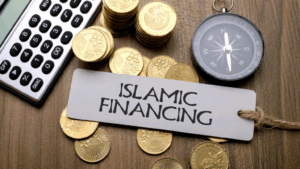
  • Islamic Finance in the Bible: A Christian Perspective on Truth, Justice, and Inclusion


    Introduction: Truth Over Fear


    In recent months, His Excellency, President John Dramani Mahama’s proposal to integrate Islamic Finance into Ghana’s economic framework has sparked passionate discussions across the country, particularly among Christian communities. Some of our brethren have voiced concerns, fearing that such a policy might be a subtle attempt to Islamize Ghana. These concerns, while emotionally valid, often stem from misunderstanding rather than informed discernment.


    This article offers clarity and calm. It is not a defence of Islam, nor an endorsement of a political party. It is a call to fellow Christians to respond not with suspicion, but with spiritual maturity, biblical wisdom, and a love for truth. As Scripture reminds us, “God has not given us a spirit of fear, but of power, love, and a sound mind” (2 Timothy 1:7).


    Fear, when left unchecked, can cloud judgment and hinder progress. It’s imperative that we, as followers of Christ, approach such matters with discernment, seeking understanding rather than succumbing to baseless apprehensions. By doing so, we uphold the principles of love, unity, and truth that are central to our faith. Fear-based reactions have historically led to missed opportunities for collaboration and mutual growth. Instead, as ambassadors of Christ, we are called to walk in love and truth, being wise as serpents and harmless as doves (Matthew 10:16).


    Let us not forget that financial systems are tools—neither holy nor profane in themselves. Their moral value is derived from how they align with justice, equity, and care for the vulnerable. If Islamic Finance provides structures that harmonize with biblical ethics and offer benefits to the poor and unbanked, we must not reject it out of fear or prejudice.


    What Is Islamic Finance?


    Islamic Finance is a faith-based financial system grounded in Sharia law, which prohibits riba (usury), gharar (excessive uncertainty), and unethical investments. It prioritizes risk-sharing, profit-and-loss partnerships, and asset-backed transactions, such as Murabaha (cost-plus sales), Mudarabah (investment partnerships), and Sukuk (Islamic bonds). These instruments function within a framework of mutual trust and social responsibility.


    Importantly, Islamic Finance is not about proselytization or religious conversion. In secular democracies such as the United Kingdom, Germany, and South Africa—nations with strong Christian majorities—Islamic financial services operate under the law to offer interest-free, ethical alternatives. Clients of various faiths choose these options for their stability, ethical investment principles, and moral clarity.


    In Ghana, many people, especially in rural and underserved areas, remain outside the reach of traditional banking. Islamic Finance offers them dignity and empowerment through interest-free loans, ethical partnerships, and community-centered financial solutions. This is not a replacement for conventional banks but an inclusive alternative to reach those excluded.


    Moreover, Islamic Finance mandates strict ethical guidelines that prohibit investments in areas deemed haram (forbidden), including pornography, gambling, alcohol, narcotics, weapons, human trafficking, prostitution, and pork. These prohibitions overlap significantly with biblical ethics and reflect a shared spiritual heritage concerned with purity, dignity, and justice.


    By promoting ethical financial conduct, discouraging predatory practices, and fostering genuine partnerships between borrowers and lenders, Islamic Finance becomes a tool for holistic development. It not only addresses material needs but also aligns with spiritual principles found in the Bible.


    Shared Values: Christian and Islamic Ethical Finance


    1. Rejection of Usury


    The Bible is unequivocal in its stance against charging interest on loans, especially to the poor and vulnerable. “If you lend money to one of my people among you who is needy, do not be like a moneylender; charge him no interest” (Exodus 22:25). This command is echoed in Leviticus 25:36–37: “Do not take interest or any profit from them, but fear your God, so that they may continue to live among you. You must not lend them money at interest or sell them food at a profit.”


    Ezekiel 18:13 further warns, “He lends at interest and takes a profit. Will such a man live? He will not!” This is not merely a financial prohibition—it is a moral imperative. Interest-bearing loans often trap the poor in cycles of debt and despair. Islamic Finance seeks to eradicate this injustice through interest-free mechanisms, profit-sharing, and ethical risk-taking.


    Jesus Himself instructed generosity without expectation of return: “If you lend to those from whom you expect repayment, what credit is that to you? Even sinners lend to sinners… But love your enemies, do good to them, and lend to them without expecting to get anything back” (Luke 6:34–35).


    By eliminating riba, Islamic Finance safeguards against the exploitation of the weak. It embodies the biblical vision of a just society where lending uplifts rather than enslaves. It reminds us that true prosperity is communal, not individualistic.


    2. Honesty, Fairness, and Transparency


    Both the Bible and Islamic law condemn deceitful practices and require honesty in all dealings. Proverbs 11:1 states, “The Lord detests dishonest scales, but accurate weights find favor with him.” Similarly, Deuteronomy 25:13–15 commands, “Do not have two differing weights in your bag—one heavy, one light… Use honest scales and honest weights.”


    Islamic contracts are built on transparency, consent, and mutual clarity—key biblical principles. Paul exhorts believers to “speak truthfully to your neighbor, for we are all members of one body” (Ephesians 4:25). Colossians 3:9 adds, “Do not lie to each other, since you have taken off your old self with its practices.”


    Islamic Finance contracts reject gharar (excessive ambiguity) to prevent unjust enrichment and protect all parties involved. Each transaction must be clear, consensual, and just. This practice reflects the biblical standard of integrity and mutual respect.


    In a world plagued by financial scandals and predatory practices, Islamic Finance offers a return to ethical roots. It compels lenders and investors to act with conscience, fairness, and accountability—virtues Jesus Himself modeled.


    3. Ethical Investing: Avoiding What Is Detestable to God


    Perhaps the most underappreciated feature of Islamic Finance is its ethical investment screen. Financial ventures must avoid industries deemed haram (forbidden), including:


    Pornography and sexual exploitation


    Gambling and speculative trading


    Intoxicants and narcotic drugs


    Arms production and trade


    Human trafficking and prostitution


    Pork and pork-based products


    These align with Christian teachings that call for holiness and purity. Scripture explicitly condemns many of these industries:


    Sexual Immorality


    “Flee from sexual immorality. Every other sin a person commits is outside the body, but the sexually immoral person sins against his own body” (1 Corinthians 6:18).


    “Let the marriage bed be undefiled, for God will judge the sexually immoral and adulterous” (Hebrews 13:4).


    “Do not prostitute your daughter, to cause her to be a prostitute, lest the land fall into prostitution and become full of wickedness” (Leviticus 19:29).


    Gambling and Covetousness


    “Whoever loves money never has enough” (Ecclesiastes 5:10).


    “Do not covet… anything that belongs to your neighbor” (Exodus 20:17).


    Intoxicants and Drugs


    “Wine is a mocker, strong drink is raging: and whosoever is deceived thereby is not wise” (Proverbs 20:1).


    “Woe to him who gives drink to his neighbors, pouring it from the wineskin till they are drunk…” (Habakkuk 2:15).


    Violence and Weapons


    “You shall not murder” (Exodus 20:13).


    “Blessed are the peacemakers, for they shall be called sons of God” (Matthew 5:9).


    Pork and Unclean Foods


    “And the pig, though it has a divided hoof, does not chew the cud; it is unclean for you. You must not eat their meat or touch their carcasses” (Leviticus 11:7–8).


    “You must not eat the pig or even touch its dead body; it is ceremonially unclean for you” (Deuteronomy 14:8).


    Islamic Finance enforces a strict moral discipline that many modern financial systems lack. It refuses to profit from human misery or moral compromise. As Christians, we must applaud and support any system that resists the commodification of sin.


    Conclusion: Be Not Afraid, But Wise


    Islamic Finance is not a trojan horse of Islamization. It is an ethical financial system with strong biblical parallels. Rather than oppose it from a place of fear, let us examine its fruits: inclusion, justice, honesty, and protection for the vulnerable.


    We are called to be the salt and light of the world (Matthew 5:13–16). That requires both courage and humility. Courage to speak up for truth, and humility to learn from others—even those outside our own faith.


    As followers of Christ, let us lead with wisdom, not paranoia; with discernment, not division; and with love, not fear. For wherever truth, justice, and mercy are found, there the Spirit of God is at work.


    References


    The Holy Bible, New International Version (NIV)


    The Holy Bible, King James Version (KJV)


    Usmani, M. Taqi. An Introduction to Islamic Finance. Idaratul Ma’arif, 2002.


    Chapra, M. Umer. Islam and the Economic Challenge. Islamic Foundation, 1992.


    Vogel, Frank E., and Hayes, Samuel L. Islamic Law and Finance: Religion, Risk, and Return. Harvard University Press, 1998.


    United Nations Development Programme (UNDP), Islamic Finance and Financial Inclusion, 2017.


    Ghana Statistical Service, Access to Financial Services in Ghana, 2022.


    World Bank Group, Global Findex Database 2021.


  • Mahama education reforms: Haruna Iddrisu highlights progress on 6 key initiatives 

    Hon Haruna Iddrisu, Minister of Education


    By Adnan Adams Mohammed


    As President John Mahama continues to execute his holistic approach to national development, his Education Minister has briefed the media on progress of major education sector reform initiatives.


    Haruna Iddrisu highlighted the leadership’s focus on inclusivity, innovation, and efficiency.


    Below are the key highlights:


    Stakeholder-Driven Reform


    The recent National Education Forum received over 2,000 proposals from stakeholders. According to the Minister, these contributions are actively shaping long-term education policy.

    Surge in Tertiary Portal Usage


    So far, 129,000 students have used the No-Fee-Stress digital platform, which streamlines tertiary application and funding processes. This, Mr. Iddrisu noted, has significantly reduced stress for students and parents.


    Support for Students with Disabilities


    The government has allocated GHS 7 million to cover fees for tertiary students with disabilities. This move reflects a stronger commitment to inclusive education.


    Local Production of Sanitary Pads


    All pads distributed under the Free Sanitary Pad Policy will be locally sourced. Moreover, a proposal is under review to establish a pad manufacturing facility within the Prisons Service to create jobs and ensure a consistent supply.


    SHS Feeding Budget Secured


    In the last six months, the government has released GHS 600 million to support feeding in Senior High Schools. This funding ensures continued student welfare across the country.


    Launch of National Research Fund


    A National Research Fund has been established, with an initial GHS 50 million disbursed through the GETFund. The initiative aims to boost research capacity in Ghana’s tertiary institutions.


    “These reforms demonstrate our unwavering commitment to building a resilient and forward-thinking education system,” Haruna Iddrisu affirmed.


  • Muntaka directs NACOC operationalise the Substance Use Disorder Rehabilitation Fund at a passing out ceremony 

    Hon Muntaka Mohammed-Mubarak at the Passing-Out Parade of Security Officers


    By Adnan Adams Mohammed


    The Minister of the Interior, Hon Mubarak Mohammed Muntaka, has directed the Management of the Narcotics Control Commission (NACOC) to as a matter of urgency operationalise the Substance Use Disorder Rehabilitation Fund as provided for in Section 22 of the Narcotics Control Commission Act, 2020.


    At the graduation parade and parchment ceremony of Basic Narcotics Cadet Course 8, held at the Leadership Training School in Tema, he commended the leadership of the Narcotics Control Commission (NACOC) for their renewed zeal and unwavering commitment to combating drug trafficking in Ghana.

    In a post shared on his social media account, he wrote;


    “Earlier today, I had the honour of attending the graduation parade and parchment ceremony of Basic Narcotics Cadet Course 8, held at the Leadership Training School in Tema. I took the opportunity to commend the current leadership of the Narcotics Control Commission (NACOC) for their renewed zeal and unwavering commitment to combating drug trafficking in Ghana.


    “The recent increase in arrests is a clear indication of the tighter measures that have been implemented; aimed at making Ghana an unattractive destination for illicit drug trafficking and the syndicates. Government, in collaboration with NACOC, remains steadfast in its resolve to dismantle drug networks and ensure a safer and more secure environment for all citizens.

    “I was pleased to note that the graduating cadets have successfully completed the rigorous six-and-a-half-month training programme. This training has equipped them with essential skills in pharmacology, financial investigations, and intelligence gathering. These competencies will empower the new officers to combat the illicit drug trade with fairness, integrity and professionalism.


    “I also tasked NACOC to operationalize the Substance Use Disorder Rehabilitation Fund, which is intended to support research, treatment and rehabilitation programmes for individuals battling addiction. In support of this initiative, I pledged to provide the seed fund and encourage corporate bodies as well to contribute as part of their corporate social responsibility.

    90

    “Furthermore, I reaffirmed the Government’s unwavering commitment to providing the necessary resources and support to NACOC and other security agencies to strengthen their capacity in the fight against drug trafficking and substance abuse.


    “I emphasized that the battle against drugs requires a collective national effort. I urged the graduating cadets to perform their duties with courage, professionalism and compassion.


    “Finally, I congratulated the cadets on their achievements and called on all stakeholders to work together in protecting our nation and building a Ghana free from the scourge of illicit drugs.”


    Passing-Out Parade at the Ankaful Prison Officers


    At a similar event of Passing-Out Parade of Recruit Course 125 at the Ankaful Prison Officers’ Training School, Hon Muntaka Mubarak wrote…


    “Earlier today, I had the honour of attending the Passing-Out Parade of Recruit Course 125 at the Ankaful Prison Officers’ Training School in the Central Region.


    In my remarks, I emphasized the urgent need for correctional reform in Ghana and highlighted Government’s commitment to transforming the Ghana Prisons Service into a modern correctional institution focused on rehabilitation, reformation and reintegration.


    I reaffirmed that the Government remains committed to expanding vocational training, educational programmes and productive inmate enterprises—key interventions that reinforce our vision for a correctional system grounded in genuine transformation. Correctional facilities must become centres of reform, not merely places of detention.


    This is not an act of charity, but a strategic investment in our national security and human capital. When we equip inmates with employable skills, we reduce their likelihood of re-offending. Rehabilitation and reformation do not occur in isolation—they must be linked to purposeful and productive activity.


    To give practical effect to this policy, I announced that the Government will scale up support for prison-based ventures. Initiatives such as carpentry, tailoring, agriculture and industrial operations, including bottled water production, will be central to building a sustainable and self-reliant correctional economy.


    I also directed all institutions under the Ministry for the Interior to prioritize the purchase of bottled water and toilet rolls produced by the Ghana Prisons Service. This initiative will not only reduce the financial burden on the state, but also generate internal revenue and promote inmate productivity.


    I reassured the leadership and personnel of the Ghana Prisons Service of the Government’s unwavering support—a commitment that extends beyond logistical and infrastructural improvements to the reformation of the very foundation of correctional practice in Ghana.


    To the new officers passing out today, I urged them to serve with integrity, compassion and professionalism. Their service must reflect the high standards of the Ghana Prisons Service and uphold the trust and confidence the nation has placed in them.”


  • UPSA introduces faculty journals to reduce dependency on foreign authored textbooks 


    Report by Ben LARYEA


    As parts of the drive to provide students with accessible, high quality and cost-effective learning materials directly relevant to their studies University of Professional Students, Accra (UPSA) has launched its faculty authored text book project.


    The initiative dubbed; “Faculty Journals” will support students to have easy access to resources tailored specifically to their courses with current curriculum objectives and will encourage faculty to engage in academic writing and publications in order to reduce dependence on expensive third-party text books.


    The faculty journals in this regard comes along with essential benefits that enhances professionalism, reputation and academic profile through acknowledged intellectural contributions and faculty though shared academic materials.


    It will further create access to cost effective text books directly aligned with course objectives in reducing financial burden as well as tailored curriculum with practical examples to enhance comprehension and application.


    Speaking at the launch in Accra, the Vice – Chancellor of UPSA, Prof. John Mawutor, said it is the first step towards the realization of the faculty authored textbook initiative adding that the universities have relied heavily on foreign authored textbook.


    He said the initiative will help change the narrative and bring to bear local industries and communities at the center of the university curriculum and will equip students with the requisite local text books that are academic rigorous.


    “Lectures will engage local companies in case studies and translate them in to literature to teach students”, he added.


  • Ghana targets major exporter of automobile in West Africa – Julius Debrah reveals at Automotive Summit 2025

    Julius Debrah, Chief of Staff at the Ghana Automotive Summit 2025

    Adnan Adams Mohammed

    Hon. Julius Debrah, has emphasized on Ghana’s potential to become a major vehicle export hub in West Africa, referencing successful exports to Côte d’Ivoire.

    The Chief of Staff, representing President John Dramani Mahama at the Ghana Automotive Summit 2025, encouraged the integration of electric vehicles (EVs) into production lines and promised the government’s commitment to providing practical support and incentives to investors.

    Accompanied by the Deputy Chief of Staff for Operations, Hon. Stan Dogbe, he recalled Ghana’s rich car assembly history from the 1970s and described today’s developments as a renaissance — a rebirth of national industrial ambition. He underscored the importance of local production in creating jobs, restoring dignity, and making brand-new vehicles affordable for ordinary Ghanaians.

    “As a government, we are all ears,” he said. “Let’s move this industry forward — together.”