Category: News

  • ARDA executives visit Ghana to learn from NPA’s regulatory model

    Executive members of the African Refiners & Distributors Association (ARDA) have come to Ghana on a study visit to understudy the regulatory and operational framework of the National Petroleum Authority (NPA).

    The delegation, led by ARDA Executive Secretary Mr. Anibor Ohole Kragha, aims to adopt best practices from the NPA to enhance the regulatory regimes of downstream petroleum operations in ARDA member countries.

    Welcoming the delegation in Accra, the Chief Executive of the NPA, Mr. Godwin Kudzo Tameklo, expressed the Authority’s readiness to share knowledge and insights through the peer-to-peer engagement.

    Mr. Tameklo, who attended the recent ARDA Week celebration in Cape Town, South Africa, described the forum as a vital platform for collaboration and peer review within Africa’s petroleum sector.

    Mr. Kragha, on his part, commended the NPA for its longstanding support to the ARDA executive committee and praised Ghana’s regulatory framework.

    He said the study tour would provide a deeper understanding of how to enhance operations in petroleum refining and distribution across the continent.

    During the visit, officials from key NPA directorates—including the Unified Petroleum Pricing Fund (UPPF), Planning and Economic Regulation, Legal, and Gas—took turns to brief the ARDA team on their operational mandates and systems.


  • Bar corporate bodies involved in unethical business behaviours to curb corruption – Prof Nakyea

    Prof Abdallah Ali-Nakyea


    News Desk

    Professor Abdallah Ali-Nakyea, Associate Professor at the University of Ghana School of Law, has called on the government to adopt a zero-tolerance approach toward unethical corporate behaviour by barring offending companies from future contracts.


    Emphasising that, since the government is the biggest buyer, biggest supplier, and biggest employer. All the private sector jobs are coming from the government. It can therefore use such influence to sanitise the business community of corruption which can easily transcend to the public sector.


    The ardent advocate against Corruption in all forms, Prof Ali-Nakyea, while speaking at a high-level forum on corruption organised by the Media Foundation for West Africa (MFWA) last week, stressed that integrity in private business is just as essential as accountability in public office.


    “Government should make it so that if you are caught with any unethical practices, you are blacklisted. You should not get any government contract,” he insisted.


    “The private sector should adopt ethical practices and principles.


    “Many companies benefit directly from state contracts yet operate without regard for transparency or integrity”, he noted.


    He therefore called for urgent ethical reforms within Ghana’s private sector, warning that businesses are major enablers of public sector corruption and must be held accountable.


    Prof Ali-Nakyea also decried the limited financial oversight and overreliance on external institutions, arguing instead for building robust local systems to fight corruption and illicit financial flows.


    “The banking system needs checks and monitoring,” he stated. “And then the international organisations – I keep saying at such fora, we do not need loans, we do not need handouts. Help us strengthen. You see how we could’ve saved 5 billion from corruption, 2 billion from illicit flows from mining. Do we need to borrow?”


    On legal reform, he urged amendments to Ghana’s anti-corruption laws to ensure that ill-gotten wealth is fully recovered and offenders face both legal and reputational penalties.


    “Let’s amend anti-corruption laws to close the loopholes identified. We should have provisions for the recovery of funds. If you name, recover and punish, the result is shame. But if you name, punish and don’t recover, then nothing has been done. They will continue, hoping they will not be caught.”


    He further called for tougher sanctions and improved whistleblower protection to encourage more citizens to report corruption.


    “We need stricter penalties for offenders. We need stronger whistleblower protection, and these are some recommendations,” he concluded.


    The MFWA forum, themed “Hidden Riches, Hollow Laws: Dissecting the Loopholes That Fuel Corruption and Illicit Financial Flows”, brought together stakeholders from academia, civil society, and the legal fraternity to discuss sustainable reforms in Ghana’s anti-corruption efforts.


  • Electricity tariff hike: CSOs, businesses clash over impact on consumers

    Adnan Adams Mohammed

    In an unusual situation, the Ghana National Chamber of Commerce and Industry (GNCCI) has down played fears of a potential impact of the recently announced increase in electricity tariffs on prices of goods and services.

    Their seeming support for the tariff hike follows criticism from some Civil Society Organisations against the Public Utilities Regulatory Commission (PURC) for the 2.45 percent tariff hike effective July 1, 2025, citing a lack of transparency, inadequate stakeholder engagement, and a disregard for economic indicators that should have warranted a reduction.

    The adjustment follows the Commission’s routine quarterly review. Meanwhile, water tariffs will remain unchanged for the third quarter of the year.

    In a joint statement issued last week, CUTS International Accra and the Centre for Environmental Management and Sustainable Energy (CEMSE) accused PURC of violating Section 3(c) of Act 538 of 1997, which mandates fair utility pricing for the mutual benefit of the government, producers, and end-users. However, the GNCCI CEO downplayed the potential impact of the increment, describing it as minimal.

    “What we are looking at is that if there is a further improvement in the key variables, we expect the tariffs for businesses to eventually be reduced,” Mark Badu-Aboagye said in an interview last week.

    He added: “Electricity costs per kilowatt hour in Ghana are already quite high, so an additional 2.45% increase will certainly raise production costs. However, I don’t believe this will result in a significant rise in prices.”

    Meanwhile, the CSOs argue that the proposed tariff increase is unjustified given recent improvements in Ghana’s macroeconomic conditions.

    The civil society groups cited the appreciation of the Ghanaian cedi against the US dollar and declining inflation rates both key variables in the tariff-setting formula.

    In a statement signed by the West African Regional Director of CUTS International, Appiah Kusi Adomako and the Executive Director for CEMSE, Benjamin Nsiah criticised PURC for failing to align its tariff review with current economic realities. They insist that consumers had expected a downward revision, not an increase.

    They pointed to the over 30% appreciation of the Ghanaian Cedi between the first and second quarters of 2025—from GH¢15.70 to GH¢10.31 per US dollar—which they say generated a GH¢1 billion windfall for government and utility providers. This surplus, they argued, could have been used to clear arrears or reduce consumer costs, rendering the tariff hike unjustifiable.

    The CSOs also criticised the PURC for relying on an outdated inflation rate of 20.67%, rather than the current 18.4%, noting that falling inflation lowers operational costs and should benefit consumers.

    Additionally, they described the increase in the Weighted Average Cost of Gas (WACOG) by only $0.08 (1%) as too insignificant to warrant a tariff hike. They cited a previous instance in 2024 when a 25% rise in gas costs led to only a 3.5% increase in tariffs, making the current adjustment appear economically indefensible.

    The statement further questioned the PURC’s justification of GH¢488 million in arrears, pointing out the Commission’s failure to explain how the cedi appreciation windfall was utilised. They also accused PURC of excluding stakeholders from the decision-making process, particularly in introducing fuel costs and reserve margins into the tariff without public disclosure or consultation. The CSOs noted the lack of transparency regarding the 27% fuel cost component, for which no data, simulations, or procurement details were shared.

    Warning of long-term consequences, the CSOs said continued upward tariff adjustments could entrench inefficiencies in Ghana’s power sector and unjustly burden consumers.

    “If care is not taken, PURC’s frequent upward tariff adjustments could succeed in the creation of an energy sector that is not efficient,” the statement read.

    They called on the President of Ghana to immediately halt the 2.45% tariff increase and demanded full disclosure of the tariff adjustment methodology and the assumptions that informed the Commission’s decision.


  • Ghana, Côte d’Ivoire to begin joint 330KV power line project

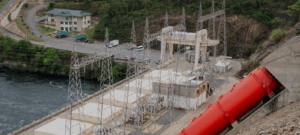
    Ghana and Côte d’Ivoire are set to commence the construction of a 330-kilovolt (kV) double-circuit transmission line as part of the West Africa Power Pool (WAPP) initiative.

    The 243-kilometre cross-border project is designed to boost electricity exchange between the two countries and enhance grid stability across the wider West African region.

    Feasibility studies have confirmed the project’s technical and financial viability within Ghana. The total estimated cost of the project is €154.4 million, covering environmental and social impact mitigation, construction supervision, and project management.

    Speaking at a ministerial committee meeting on Wednesday June 25, 2025, Chief Executive Officer of the Ghana Grid Company Limited (GRIDCo), Engineer Mark Baah, stressed the project’s role in deepening regional energy integration.

    “The project involves the construction of a 330kV double-circuit transmission line, stretching approximately 243 kilometres—about 122 kilometres on each side of the border,” he explained.

    “It will connect the existing Biahoué (Bijave) substation in Côte d’Ivoire to the upcoming Dunkwa 2 substation in Ghana. While there is currently a Dunkwa 1 substation, it operates at 161kV. This new facility in Dunkwa will operate at 330kV.”

    “Beyond enhancing bilateral energy trade, this project is expected to contribute to grid reliability across West Africa. It has been deemed both technically sound and environmentally manageable.”

    The initiative is a key step in the broader effort to integrate energy systems across the ECOWAS sub-region under the WAPP framework.


  • Govt to host 2nd World Shea Expo 2025 in Tamale …promises to revive shea factory

    The Director of Presidential Initiatives in Agriculture and Agribusiness (PIAA) at the Office of the President, Dr. Peter Boamah Otokunor has announced that the 2nd World Shea Expo 2025, will be hosted at Tamale in the Northern Region.

    The event is being organized in partnership with Savanna Golden Tree Limited, the Ghana Export Promotion Authority and the Northern Regional Coordinating Council.

    He made this announcement during an official visit to Nuts for Growth Ltd, a leading agro-industrial factory that is engaged in the processing of shea and soya, and a major employer of women and youth in northern Ghana.

    “The Shea Expo 2025 will highlight government’s commitment to rural industrialization and showcase the critical role of the shea industry in Ghana’s economic transformation,” Dr. Otokunor stated. “It is a strategic platform to drive value addition in the shea sector, attract investment, create sustainable jobs, especially under the 24-Hour Economy initiative and boost the country’s foreign exchange earnings”

    The expo will focus on advancing the shea value chain, from harvesting and processing to export and innovation. It is expected to feature exhibitions, policy dialogues, investment pitches, and product showcases dedicated to strengthening Ghana’s position in the global shea industry.

    Dr Otokunor, further reaffirmed government’s commitment to rural agribusiness development as a pathway to industrialization and job creation.

    This assurance came during his official visit to Nuts for Growth, a fast-growing agro-processing company based in the Northern Region.

    Nuts for Growth, which focuses on shea and soya processing, currently works with over 81,000 women and youth across its value chains. The company has built capacity in seedling production, quality testing, warehousing, and the transformation of by-products into high-protein livestock feed, contributing to both food security and economic empowerment.

    “This is exactly the kind of enterprise we need to support,” Dr. Otokunor said. “They are creating jobs, building local capacity, and adding real value to our agricultural resources.”

    During the tour, Dr. Otokunor visited the company’s 300-metric-ton processing facility, laboratory, and nursery where thousands of seedlings are produced each season. He also discussed aligning key government initiatives like the DOBIDI Programme to strengthen community-level impact.

    The CEO of Nuts for Growth, Madam Dora Habosutei Torwiseh, raised pressing challenges including access to raw materials, capital delays, and the need for stronger policy protection.

    “We’ve built a strong foundation, but we need support to scale,” she said. “Timely access to funding and raw materials will make all the difference.”

    Dr. Otokunor responded: “We’re not just observing, we’re acting,” he stated.


  • ‘We will build a new culture that promotes and sustains fiscal discipline’ – Fin Minister

    The Finance Minister, Dr. Cassiel Ato Forson, has said that key lessons from the Annual Budget Performance Report (BPR) as part of the Public Financial Management Act, 2016 (Act 921), as amended, will guide the government’s choices in the post-2024 era as they work to reset economy towards the “Ghana we want.”

    Dr. Forson says that “We must, and we will, build a new culture that promotes and sustains fiscal discipline.”

    In a statement he issued on the 2024 Consolidated MDAS Annual Budget Performance Report, he recounted that the years prior to 2024 proved to be very difficult globally.

    “In Ghana, we saw the most ignoble deterioration of the economy and broader societal well-being. Inflation galloped, exchange rate depreciated sharply and remained volatile. Interest rates rose and credit became simply unaffordable. Ghana, therefore had no option but to seek support from the IMF through the Extended Credit Facility (ECF) programme on the heels of an expansive domestic and external debt restructuring which had severe consequences,” he said.

    In that context, he added, the year 2024, being an election year, was uniquely significant.

    The then government, he said, set for itself macro-economic targets focused on re-anchoring fiscal and debt sustainability.

    “The promise was to course-correct the misalignment in key indicators to support the economy. Despite the progress made under the IMF programme, the macroeconomic environment remained fragile. The economy remained fragile, with 2024 recording significant fiscal slippages. The primary deficit worsened, and the year ended with accumulation of huge central government arrears amounting to GH¢67.5 billion representing 5.7 percent of GDP,” his statement said.

    “The lessons from this challenging national economic experience are there for everyone: fiscal slippages are costly and far-reaching.”

    Dr. Forson noted that these experiences validate the prudence in requiring the preparation of the Annual Budget Performance Report (BPR) as part of the Public Financial Management Act, 2016 (Act 921), as amended.

    “Beyond meeting the requirements of the PFM Act, the BPR enables us to assess the performance and impact of our policy choices and take corrective measures where necessary. Furthermore, in accordance with the provisions of Section 27 of the PFM Act, stakeholders will receive updates on the actions taken to implement the recommendations of Parliament in respect of the report of the Auditor-General as well as updates on multi-year expenditure undertaken in 2024.

    “I must state that the key lessons from this BPR will guide our choices in the post-2024 era as we work to reset economy towards the Ghana we want. We must, and we will, build a new culture that promotes and sustains fiscal discipline. As is always the case, this BPR is the product of cross-sectoral collaborations. The Ministry of Finance is thankful to the Ministries, Departments and Agencies who provided critical inputs and validated information. The efforts of the staff of this Ministry, who have coordinated the preparation of this BPR, are also acknowledged. Your sense of professionalism and commitment to the national cause is indeed endearing. As a Ministry, we will stand ready to provide clarification and respond to any related queries through the established channels, including the Right to Information Platform.

    “A new era is upon us. We have a great opportunity to rewrite our most recent economic history in a positive light. Let us join forces and work together to build the Ghana we want. It is our promise and duty to do so,” he said.


  • Customs bolsters border security with arrival of detection dogs

    The Ghana Customs Division of the Ghana Revenue Authority has received two specially trained English Springer Spaniels—Albi and Halter dogs—to enhance border security and improve the detection of illicit goods at entry points across the country.

    The dogs, bred and trained in the United Kingdom, are highly skilled in detecting narcotics, firearms, and concealed currency. Their deployment is expected to significantly boost the Customs Division’s capacity to combat trans-border crime, deter smuggling activities, and improve revenue collection at borders and international ports.

    The initiative is part of a broader international collaboration supported by the German Development Cooperation (GIZ), the European Union, and the Swiss Development Corporation.

    The K9 units were officially handed over during a brief ceremony attended by key stakeholders.

    Brigadier General Glover Ashong Annan, Commissioner of Customs, hailed the arrival of the K9 dogs as a milestone in the Customs Division’s efforts to modernise border security operations.

    He assured stakeholders that the dogs will be deployed effectively and ethically by specially trained handlers to maximise their impact.

    “This handover marks an important step in our long-standing collaboration with international partners aimed at strengthening border security and enhancing revenue collection,” Brigadier General Annan stated.

    Speaking on behalf of the Programme for Accountability, Integrity and Rule of Law and Development (PAIReD), Astrid Kohl, the Programme Manager, emphasised the significance of the support.

    She noted that the arrival of the dogs symbolises the strong partnership between the Ghana Revenue Authority (GRA) and its development partners.

    “These detection dogs will strengthen the Customs Division’s ability to detect and prevent the entry of illicit goods, contributing to national security and economic growth,” Kohl said.

    She added that the initiative forms part of the broader Good Governance Programme, which is implemented in collaboration with Ghanaian institutions, the German government, the European Union, and the Swiss Development Corporation.

    The programme aims to promote integrity, accountability, and the rule of law within Ghana’s democratic and governance structures.

    Kohl concluded by affirming the critical role of the Ghana Revenue Authority and the Customs Division in driving reforms that foster transparency and national development.


  • Ghana woos Chinese investors … as it launches the 24-Hour Economy policy


    Adnan Adams Mohammed

    Along side the just ended Ghana–China Business Summit 2025, the Office of the Chief of Staff at the Presidency hosted a high-powered delegation of Chinese investors, last week.

    The meeting was aimed at boosting Ghana’s international investment drive and appeal to Chinese investors, especially manufacturers, as government is scheduled to unveil the 24-Hour Economy policy this week,

    The summit, organized in collaboration with the Sino-Africa Group, underscores a renewed commitment to economic partnership between the two countries. Representing President John Dramani Mahama, Hon Julius Debrah welcomed the delegation at Jubilee House and called on Chinese manufacturers to seize Ghana’s strategic advantages—its geographic position, political stability, and ambitious 24-Hour Economy Agenda—to make the country a leading hub for African industrialization.

    “This is more than trade; it’s a partnership for shared transformation. Ghana is building a future-ready economy, and China’s industrial leadership can be a cornerstone in that journey,” Debrah told the delegation.

    The Chinese team was led by Mr. Chen Xiaowei, who praised Ghana’s forward-thinking policies and economic climate, calling the country “the China of Africa in the making.” He urged both governments to enhance institutional cooperation to attract and sustain long-term investment confidence.

    The Ghana-China Business Summit 2025 marks a pivotal moment in bilateral relations, positioning Ghana as a gateway to Africa for global investors. The summit attracted a wide range of Chinese business leaders, industrialists, and policy influencers.

    Delivering a keynote at the summit, Minister in Charge of Presidential Special Initiatives, Emmanuel Kwadwo Agyekum, laid out Ghana’s investment roadmap, emphasizing the country’s readiness to support large-scale industrial collaboration.

    “Ghana is not open for charity. Ghana is open for access,” Agyekum declared. “We offer a politically stable, investment-ready climate and access to over 400 million consumers in the ECOWAS region.”

    He also highlighted Ghana’s US$100 billion ‘Big Push’ agenda, which includes investments in manufacturing, logistics, energy, and national infrastructure—all designed to underpin the 24-Hour Economy, launching officially on July 1st.

    According to him, Ghana offers a unique opportunity for Chinese investors, with access to a politically stable, investment-ready environment and a vast market of over 400 million consumers in the ECOWAS region.

    “Ghana is not open for charity. Ghana is open for access,” he declared.

    The minister highlighted several projects under The Big Push initiative, a US$10 billion industrial and infrastructure agenda championed by John Dramani Mahama. These include US$10 million Trade Fair Centres in Volta and Ashanti, US$3 million in assembly plant opportunities, and $2 billion in national road rehabilitation.

    Emmanuel Agyekum extended an invitation to Chinese partners to build boldly in Ghana, citing China’s success in transforming cities like Shenzhen, Hainan, and Chongqing.

    “You built Shenzhen. You transformed Hainan. You redefined Chongqing. Now, we invite you to build boldly—with us—in Ghana,” he said.

    He emphasized that Ghana is ready to lead and China is invited to power the 24-Hour Economy, launching on July 1st.

    “Let us bond beyond protocol. Let us build beyond bureaucracy. Let projects be our shared language. Let results be our signature handshake,” Agyekum urged.

    The Special Initiatives Minister further noted that “Ghana has the land. Ghana has the leadership. Ghana has the leverage. What we need—what we welcome—is YOU. Let us rise together. Let us build boldly. Let us begin—in Ghana.”


  • BoG moves to improve security measures …as cybercrime cost Africa excess of US$4bn annually

    Adnan Adams Mohammed

    The International Police (Interpol) has estimated that, the cost of cybercrime across Africa is in excess of US$4.0 billion annually.

    This is evident locally as the Bank of Ghana reports indicates that, in 2022, Ghana recorded over 21,000 cyber fraud attempts in the financial sector, most targeting digital platforms.

    First Deputy Governor of the Bank of Ghana, Dr. Zakari Mumuni has posited that, cybercrime is not a distant risk; it is a present danger, recalling that, in 2018, the bank issued one of the continent’s earliest Cyber and Information Security Directives for financial institutions, mandating risk-based frameworks, incident response protocols, and regulatory reporting.

    “This reality underscores a simple truth: financial inclusion without system integrity is unsustainable. Cybersecurity is no longer an IT issue, it is a strategic imperative at the core of financial governance”, Dr Mumuni, said.

    “Public trust, institutional confidence, and systemic stability now hinge on our ability to anticipate, withstand, and respond to cyber risks,” he said at the 14th AFI leaders’ roundtable discussion on the theme “Strengthening cyber resilience in digital financial services in Africa.”

    Dr. Zakari noted that the Central Bank has long recognised this imperative.

    “Today, over 40 financial institutions are integrated into our Financial Industry Security Operations Centre (FINSOC), enabling real-time threat detection and response,” he said.

    The BoG conducts annual cybersecurity maturity assessments, using international frameworks like NIST and COBIT-5, to inform supervisory action and identify systemic gaps. In 2024, over 40% of assessed entities showed critical vulnerabilities particularly in access control and incident response.

    “We are addressing these gaps with targeted interventions. Critically, we are not acting alone. We continue to work closely with Ghana’s Cyber Security Authority, the World Bank, INTERPOL, and the Africa Cybersecurity Resource Centre to bolster expertise and coordinate responses at scale,” he said.

    To demonstrate this commitment, he recalled that in 2023, Ghana joined the African Development Bank’s AFAWA initiative, supporting financial institutions to unlock credit for women entrepreneurs through risk-sharing instruments and technical assistance.

    Even more significantly, he said, under the leadership of President John Dramani Mahama, Ghana is establishing a Women’s Development Bank, with seed capital of GHc 51.3 million allocated in the 2025 budget.

    “This institution will directly address the persistent credit gap faced by women-led businesses particularly in agriculture, trade, and tech,” Dr Mumuni said.

    He added that these initiatives reflect our belief that women’s financial inclusion is not a social obligation, but a smart economic strategy.

    “The digital financial future we envision is rich with promise, but that promise will only be realized if it is anchored in systems that are trusted, inclusive, and secure.

    “The work we’ve done this week, the insights shared, the tools exchanged, the partnerships renewed, are powerful signals of what is possible when we lead together. I am confident that we have the will and the wisdom to build a resilient financial future for all Africans,” he said.


  • GRA rolls out reformed informal sector tax system …as new report shows they are willing to tax compliant

    Adnan Adams Mohammed

    As Ghana Revenue Authority (GRA) is preparing to roll out a reformed informal sector tax system aimed at improving tax compliance and revenue collection, the players have shown willingness to be compliant.

    GRA announced last week that, starting July 2025 it will implement a new tax compliant framework targeting informal sector workers not currently registered with the GRA, but earning annual sales below GHc 20,000. Such employees will be required to pay a fixed quarterly tax between GH¢25 and GH¢45.

    This forms part of government efforts to widen Ghana’s tax basket. Tax compliance within the informal economy has long been hindered by failure to apply the right policies and collection systems. According to a new report titled “Ghana’s Untapped Economy: Analysis of Tax Compliance Behaviour of Informal Sector Workers in the Greater Accra Region” published by BudgIT Ghana in collaboration with the Society for Women in Taxation Ghana and the International Budget Partnership (IBP), while many informal sector workers are willing to comply with tax obligations, systemic obstacles continue to block voluntary compliance and limit revenue mobilisation.

    “A major underlying issue is the widespread distrust in government institutions. Many informal workers believe tax revenues are either mismanaged or lost to corruption”, the report captured. “This perception has eroded confidence in the tax system and weakened the motivation to contribute. The lack of visible benefits—such as improved infrastructure or essential services—only deepens public scepticism.”

    Beyond issues of governance, the report also identifies structural and economic factors impeding compliance. Income instability across the sector makes it difficult for many to make regular tax payments. The tax system itself is often seen as complex and opaque, with bureaucratic registration processes that are difficult to navigate, particularly for those with limited formal education.

    Women in the informal sector face additional challenges. The report finds that female entrepreneurs—who make up a significant portion of the workforce—are disproportionately burdened by indirect taxes and more frequent enforcement. Many report experiences of harassment, limited financial flexibility, and the pressure of balancing business operations with caregiving duties.

    Despite these challenges, the study notes a strong willingness among informal workers to pay taxes if the system becomes more transparent, equitable, and attuned to their everyday realities.

    To address these issues, BudgIT Ghana and its partners recommend targeted reforms, including simplified tax registration and payment processes through mobile and decentralised platforms. The report also calls for the expansion of mobile money and USSD-based payment options to make tax compliance more accessible. Additionally, it advocates for gender-sensitive tax policies, such as flexible payment arrangements and anti-harassment enforcement protocols.

    Meanwhile, the Assistant Commissioner for Research and Policy at GRA, Dr. Alex Kombat, while speaking at the launch of the report, explained that the revised system seeks to broaden Ghana’s tax base and promote fairness in revenue mobilization.

    “We have developed a system called modified taxation. Those with turnover below GHc 20,000 will pay a fixed amount—GHc 25, GHc 35, or GHc 45. For those with turnover between GHc 20,000 and GHc 500,000, we’ll apply a 3% tax on their turnover. This marks a shift from the traditional tax collection methods,” he stated.

    Dr. Kombat added that the initiative is expected to launch by July 1 and appealed for public support, especially from the media, to ensure its successful implementation.

    The Country Manager at BudgIT Ghana, Jennifer Moffatt, stressed the importance of collaboration between the GRA and local authorities to enhance tax collection in the informal sector.

    “One of our key recommendations is for the GRA and Metropolitan, Municipal, and District Assemblies (MMDAs) to collaborate on tax collection. Many informal sector workers feel more comfortable paying levies to local authorities than to the GRA,” she noted.

    Chairperson of the Society of Women in Taxation, Esi Sam endorsed the initiative, stating that it will simplify tax compliance for informal sector workers.

    “When you understand something, it becomes easy to do because it’s straightforward. So, if the modified taxation system is being introduced, it’s a good move—it will simplify the process and make it easier for people to understand,” she said.